
Expert reveals 7 ideas to transform your garden for cheap this spring
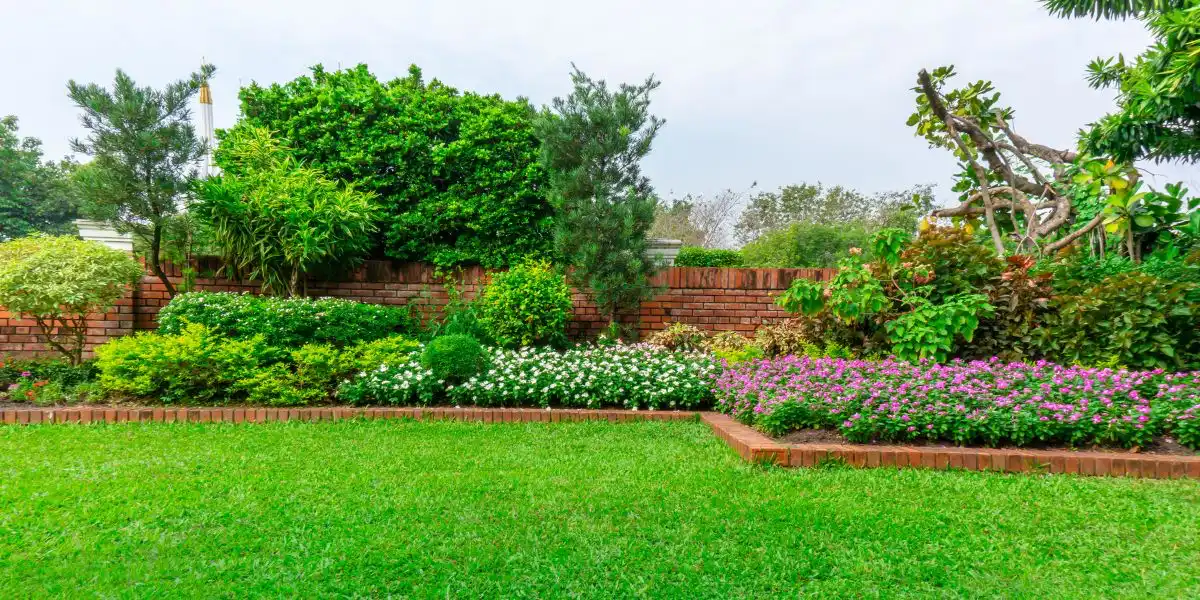
Max Fetisov, head of marketing and ecommerce at Brick Wholesale, has revealed how to turn the leftover or unused bricks sitting in your shed into practical, trendy garden features that require no major renovation or cost. According to MyBuilder, the cost of landscaping typically varies from £100-£150 per m² for basic designs and can increase to as much as £400+ per m² for projects featuring bespoke elements. With a bit of creativity, these ideas offer homeowners a way to achieve parts of that same polished look for little to no cost.
Raised vegetable beds
Brick walls provide structure, warmth, and great drainage, making them perfect vessels for your vegetables. Mark out a level area and lay bricks in two or three courses to form a simple frame, using mortar or dry-stacking. Fill with soil, compost, and your veggies of choice.
Herb planters
Compact brick planters are a stylish and functional addition to a patio or kitchen garden, keeping herbs contained and easy to harvest. Stack bricks into a compact square or rectangle near your kitchen for easy access. Fill with free-draining soil and plant low-maintenance herbs like rosemary or thyme.
Fire pit surround
Adding a simple arrangement of bricks around your fire pit not only increases safety but creates an instant focal point within your garden. Create a circular or square base on gravel, then stack bricks however high you need to form the surround. Make sure to leave small gaps for airflow and to keep the area clear for safety. No mortar is required for a basic pit, but fire-rated mortar can be used for a more permanent finish. It’s important to note that not all bricks are suitable for fire pit use. Make sure to check that whatever type you are using is appropriate for heat exposure.
Flower bed edging
Using bricks instead of plastic edging not only looks better, but it also makes for a clean, long-lasting border that better defines plant borders. Dig a shallow trench and lay bricks flat or at an angle for the popular ‘soldier’ or ‘sawtooth’ edging effect. Secure by backfilling soil tightly around the edges.
Bug hotel
Stacked bricks with gaps and cavities provide sheltered spots for solitary bees and other beneficial insects, supporting biodiversity and contributing to a healthier garden overall. Loosely stack bricks in a quiet, sunny spot, leaving gaps for insects to nest. Add natural materials like twigs or bamboo to encourage biodiversity.
Garden steps and pathways
Spare bricks can create low-level steps between different garden levels, or be laid to form a rustic pathway through planting areas. Both of these options can be achieved without the need for mortar. For a path, clear the ground and lay a sand or gravel base, then place your bricks in your chosen pattern. For steps, excavate the slope into flat platforms, build up brick risers at the back of each, then top with a flat slab or bricks to form the tread.
Outdoor kitchen
Al fresco dining and outdoor entertaining have surged in popularity over recent years. Bricks can form a stylish and protective base for a built-in barbecue or outdoor kitchen. This build is slightly more involved, and mortar is recommended. Build a simple brick structure on a solid, level base such as concrete or compacted hardcore, making sure to leave adequate space and ventilation for your grill or BBQ unit. Use mortar to secure the bricks for a more permanent, durable finish, then top with a heat-resistant surface like stone or concrete to create a practical prep area for outdoor cooking and entertaining.
Max Fetisov adds, “Homeowners often find they have surplus bricks from an extension, knocked down walls, or even from cancelled projects, and they end up getting stacked in the shed and forgotten about. In my opinion, it’s a real wasted opportunity.
“Brick is the perfect material to upgrade your garden. It retains heat beautifully, which makes a real difference to raised beds and planters in the early part of the season. It’s also incredibly durable. Unlike timber, it won’t rot or warp, and once it’s built, it needs virtually no maintenance year on year.
“There’s an aesthetic quality to it too, especially reclaimed brick, which brings a sense of permanence and character that newer materials rarely match. And of course, if you’ve already got bricks sitting in the garden, the cost is hard to beat.”
Image credit – dreamstime