Top 5 Parquet Flooring Trends in the UK
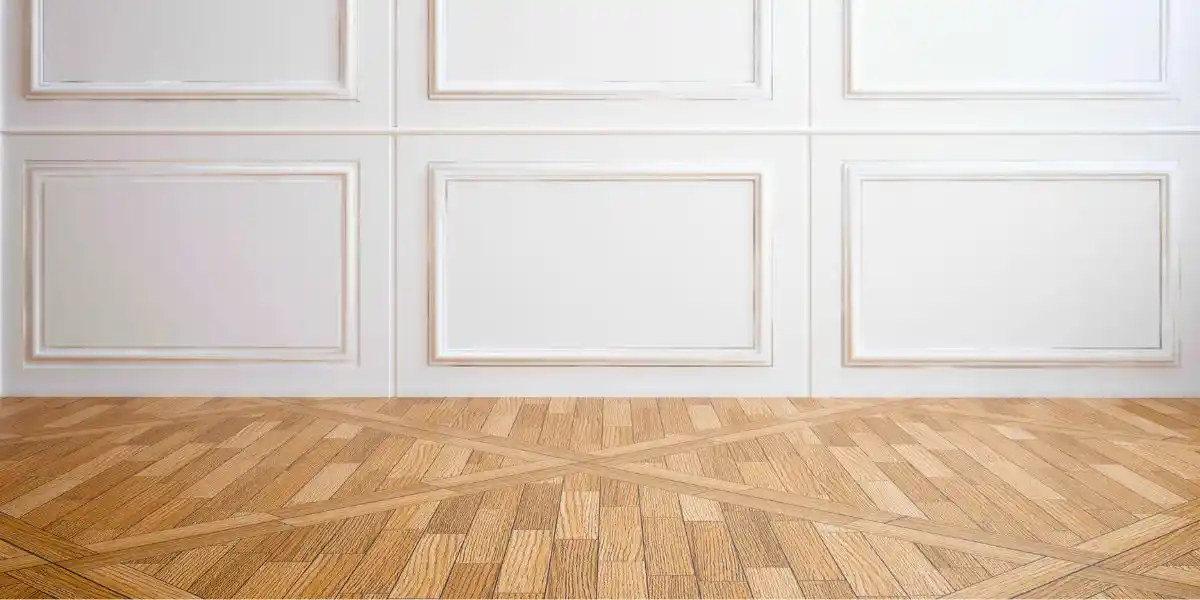
If you're planning a renovation or simply curious about what's popular right now, these are the five parquet flooring trends worth paying close attention to in 2026.
The Enduring Rise of Herringbone and Chevron Patterns
Few flooring patterns carry the visual weight of herringbone and chevron, and both continue to dominate interior design conversations across the UK. Herringbone, with its interlocking rectangular blocks laid at 90-degree angles, delivers a classic, structured look that suits traditional and contemporary interiors equally well. Chevron, by contrast, uses angled cuts that meet at a point, which creates a sharper, more directional flow through a space.
The popularity of hardwood parquet flooring in these two patterns reflects a broader desire for floors that feel intentional rather than generic. Homeowners no longer want a floor that simply covers a surface: they want one that contributes to the overall character of a room. As a result, herringbone and chevron have become go-to choices for living rooms, hallways, and open-plan kitchen-diners.
What keeps these patterns so relevant is their adaptability. You can lay them in pale ash for a Scandinavian feel, or choose a deeper walnut stain for something more dramatic. The pattern itself does much of the work, so the finish and tone you choose simply steer the mood of the space.
Warm, Natural Oak Tones Taking Centre Stage
Oak has long been the backbone of parquet flooring in the UK, but the shades and finishes that homeowners prefer have shifted noticeably. Cool grey-washed floors, which peaked in popularity several years ago, have largely given way to warmer, more natural tones. Honey oak, light caramel, and brushed mid-tones now lead the way, bringing a sense of organic warmth that complements the resurgence of natural materials in interior design.
This shift aligns closely with the broader movement toward biophilic design, a style philosophy that prioritises natural textures, earthy colours, and a connection to the outdoors. Warm oak tones achieve this without effort. They feel grounded, inviting, and surprisingly versatile across different colour palettes.
For your home, choosing a warm oak parquet means you’re working with a tone that pairs well with off-white walls, linen textiles, and natural timber furniture. It also ages beautifully. Rather than dating quickly, a well-chosen warm oak floor tends to improve over time, developing a richer depth that cooler or more heavily treated finishes simply don’t achieve.
Sustainable and Responsibly Sourced Materials
Sustainability has moved from being a bonus to a genuine priority for UK homeowners. More people now actively research where their materials come from before making a purchase, and parquet flooring is no exception. Responsibly sourced timber, certified by recognised forestry standards, has seen a significant rise in demand as buyers look to reduce the environmental impact of their renovation choices.
Beyond certification, there’s growing interest in reclaimed and salvaged parquet. Reclaimed wood carries its own story, and the natural markings, imperfections, and age of the material add a layer of authenticity that no new product can replicate. It’s also an inherently sustainable choice, since you’re giving existing material a second life rather than drawing on new resources.
For those who prefer new timber, engineered parquet made with a thinner hardwood top layer over a stable core uses wood more efficiently than solid alternatives. This approach reduces the volume of premium timber required without sacrificing the look or feel underfoot. If sustainability matters to you, and increasingly it does to UK buyers, it’s worth asking for clear provenance information before you commit to any parquet flooring purchase.
Engineered Parquet for Underfloor Heating and Open-Plan Living
The practical demands of modern UK homes have accelerated the adoption of engineered parquet flooring. Unlike solid wood, engineered parquet is constructed in layers, with a real hardwood surface bonded to a stable plywood or HDF core. This layered structure makes it far less susceptible to expansion and contraction in response to temperature or humidity changes.
That stability makes engineered parquet an excellent choice for rooms with underfloor heating, which has become a standard feature in new builds and high-end renovations across the UK. Solid wood and underfloor heating have always had a difficult relationship, but engineered parquet handles the heat efficiently and without the warping or gapping that can affect less stable options.
Open-plan layouts present their own set of challenges for flooring. A continuous floor needs to work visually and practically across different zones, whether that’s a kitchen, dining area, or lounge. Engineered parquet rises to this challenge well. Its dimensional stability means it can run seamlessly across large spans, and its real wood surface means it looks just as refined in an airy, open kitchen as it does in a more intimate sitting room. For modern UK living, it’s one of the most practical and polished choices available.
Ultra-Matt Finishes and Textured, Distressed Surfaces
High-gloss floors had their moment, but the tide has turned firmly in favour of ultra-matt finishes and tactile, textured surfaces. Across the UK, homeowners and designers are gravitating toward floors that feel understated, natural, and grounded rather than polished and reflective.
Ultra-matt lacquers and hard wax oil finishes are particularly popular right now. These finishes sit closer to the surface of the wood rather than forming a thick protective layer on top, which means the natural grain and texture of the timber remain visible and tactile. The result feels far more authentic, especially in spaces where the design philosophy leans toward natural materials and a relaxed, lived-in atmosphere.
Distressed and hand-scraped surfaces take this even further. By deliberately introducing surface texture, whether through brushed grain techniques or manual scraping, manufacturers create a floor that appears to have history. In practice, this also makes the floor more forgiving in everyday use. Minor scuffs and scratches are far less noticeable on a textured, distressed surface than on a smooth, high-sheen finish. For families or anyone who wants beautiful parquet flooring without treating it like a museum exhibit, this trend offers genuine day-to-day benefits.
Conclusion
Parquet flooring continues to evolve, and the trends shaping 2026 reflect a clear appetite for beauty, practicality, and responsibility in equal measure. Whether you’re drawn to the bold geometry of herringbone, the warmth of natural oak, or the low-maintenance appeal of a textured matt finish, there’s a parquet option well suited to your home and how you actually live in it. Take these trends as a starting point, and let your space lead the rest.
Image credit Dreamstime