7 of Europe’s most beautiful casino towns for a glamorous weekend away
And the thing is, some of the loveliest weekend breaks in Europe are built around exactly that. Casino towns. Not Vegas, nothing like Vegas. I am talking about little European spa towns and seaside resorts where the casino was the whole reason the town got built in the first place, and where the architecture, the gardens, the hotels and the restaurants all came along for the ride. Half of them you can visit without ever setting foot at a gaming table, honestly, and on more than one occasion I have done exactly that. The buildings alone are worth the trip.
Here are seven that I think are worth your weekend.
Monte Carlo, Monaco
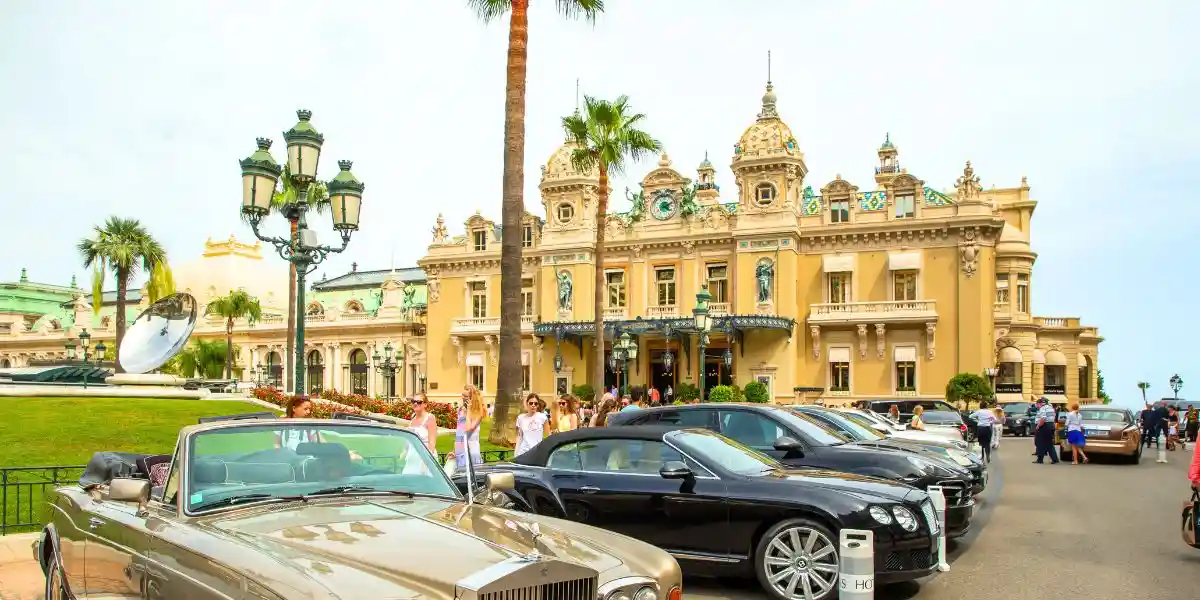
The obvious one, but obvious for a reason. The Casino de Monte-Carlo was built in the late 1870s and designed by Charles Garnier, the same architect behind the Paris Opera, which explains an awful lot about why it looks the way it does. Chandeliers, frescoes, that ridiculous sweeping atrium. There is a whole opera house attached to it, the Salle Garnier, which opened in January 1879, and you can read the background on Britannica if you want the full history before you go.
Here is my favourite bit of trivia about the place. Monegasque citizens are not actually allowed to gamble there. Prince Charles III brought that rule in back in the 19th century because he did not want his own people losing their shirts, and the ban still stands today. So the locals built the thing, and then quite politely stayed out of it.
Go for the terrace at Cafe de Paris opposite, sit with a coffee that costs more than your lunch did the day before, and watch the cars come and go. Peak people-watching.
Baden-Baden, Germany
If you only do one town off this list, make it this one. Baden-Baden sits in the Black Forest and it is genuinely one of the prettiest small towns in Germany, all pale buildings and long tree-lined promenades and thermal water bubbling up underneath the lot of it.
The casino is inside the Kurhaus, which is a spa and assembly building rather than a purpose-built gambling hall, and Marlene Dietrich is often quoted calling it the most beautiful casino in the world. She was not wrong. Dostoevsky came here in the 1860s and lost heavily at roulette, which tells you something about the pull of the place.
But you come for the water really. Friedrichsbad is the historic bathhouse and it runs a seventeen-stage circuit that takes a few hours and leaves you feeling like a different person entirely. Do bear in mind it is textile-free on most days, so read the schedule before you commit! Baden-Baden is also one of the eleven towns inscribed by UNESCO as the Great Spa Towns of Europe in 2021, so you are somewhere properly significant.
Estoril, Portugal
Twenty-odd minutes on the train out of Lisbon and you are in Estoril, which was developed in the early twentieth century as a resort for people with more money than most. Casino Estoril is still there, still enormous, and it comes with the best backstory on this entire list.
In August 1941 a British naval intelligence officer called Ian Fleming was staying at the Palacio hotel next door. He watched a double agent, Dusko Popov, gamble a small fortune at the baccarat table using cash that had been handed to him by his German handlers that same week. Fleming later used that scene almost directly in Casino Royale. So Bond, more or less, starts here.
Pair it with a morning in Cascais up the coast and a bica at some tiny bakery, and you have a very good day. The Portuguese light in autumn is something else.
Spa, Belgium
Yes, that Spa. The word comes from the town, which is a fact I have annoyed several people with at dinner parties. Spa sits in the Ardennes, the mineral springs have been drawing visitors since the 16th century, and it is one of the eleven UNESCO spa towns as well.
The Casino de Spa traces its origins back to 1763 and has a decent claim to being the world’s oldest casino still operating at the same address. The town itself is small and quiet and a bit sleepy, in the best possible way. Thermes de Spa is up on the hill with an outdoor pool that looks over the whole valley, and getting the funicular up there on a cold morning when the steam is rising is one of those small perfect travel moments.
It is also a very easy add-on if you are already doing Brussels or Bruges, so it does not need to be a whole separate trip.
Karlovy Vary, Czechia
Karlovy Vary, or Carlsbad if you have seen it on old maps, is a long ribbon of a town squeezed into a river valley in western Bohemia, and it might be the most photogenic place on this list. Pastel buildings stacked up the hillsides, colonnades, hot springs you drink from little porcelain cups with a spout on the side.
Film people will recognise the Grandhotel Pupp straight away, because it stood in for the Hotel Splendide in the 2006 Casino Royale, and the spa building nearby was used for the casino exterior. Which is a fun bookend with Estoril, given where the story actually came from.
It is another of the UNESCO eleven. Come in autumn, it is particularly lovely when the trees on the valley sides turn and the whole place looks faintly unreal.
Venice, Italy
Everyone goes to Venice and almost nobody bothers with the Casino di Venezia, which sits in Ca’ Vendramin Calergi, a Renaissance palace right on the Grand Canal. Gambling here traces back to 1638, when the state set up the Ridotto to keep the carnival crowds under some kind of control, making it the oldest such institution anywhere.
Richard Wagner spent his last months in that same palazzo and died there in 1883. There are rooms you can visit connected to him. So even if a card table is not remotely your thing, it is a gorgeous building with a very odd layered history, and it is a lot calmer than fighting your way round San Marco at eleven in the morning.
Bath, England
Closer to home, and I would argue Bath belongs here more than people realise. In the Georgian period Bath was the gambling capital of the country. Richard “Beau” Nash ran the social scene from 1704 as Master of Ceremonies, the assembly rooms were where the money changed hands, and the entire elegant crescent-and-terrace look of the city was funded by that boom. Parliament eventually cracked down on the games in the 1740s.
Bath is on the UNESCO spa towns list too, alongside Baden-Baden, Spa and Karlovy Vary, which is a rather nice bit of continuity for a British weekend away. Do the Roman Baths early before the coaches arrive, then the Thermae rooftop pool at dusk. You will not regret it.
Some things worth knowing before you go
A few practical bits, because these places all have their own rules and it is definitely worth checking.
Take your passport. Most European casinos will not let you through the door on a driving licence, and some register your details at reception. Dress codes vary a lot too. Monte Carlo’s historic rooms are strict in the evenings, jackets for men, no trainers, whereas Baden-Baden hires jackets and ties out at the door if you turn up unprepared, which I think is very civilised of them. Entry fees are common on the continent and usually small, a few euros, sometimes with a drink included.
And budget the same way you would budget for a nice dinner. Decide the number before you walk in, leave the cards in the hotel safe, that sort of thing. If you want to get a feel for the games first without doing it in a room full of strangers in black tie, plenty of people have a go on a mobile casino at home beforehand, just to learn which end of a roulette table is which. Jackpot Mobile Casino is UK licensed and has the usual slots and table games on the phone, so you can work out the difference between European and American roulette on your sofa rather than on the night. Whichever way you do it, small stakes and a firm limit, always.
The best of these trips are not really about the gaming anyway. They are about the buildings, the water, and the fact that somebody in 1860 decided a small town in the hills deserved a palace.
Pack the good coat, you will want the photos.
By A. Vasudevan
18+. Please gamble responsibly. BeGambleAware.org.
Image credit – dreamstime.com