Streaming at 35,000 Feet: The Airlines Bringing Starlink Wi-Fi On Board, and Why It Matters to SpaceX
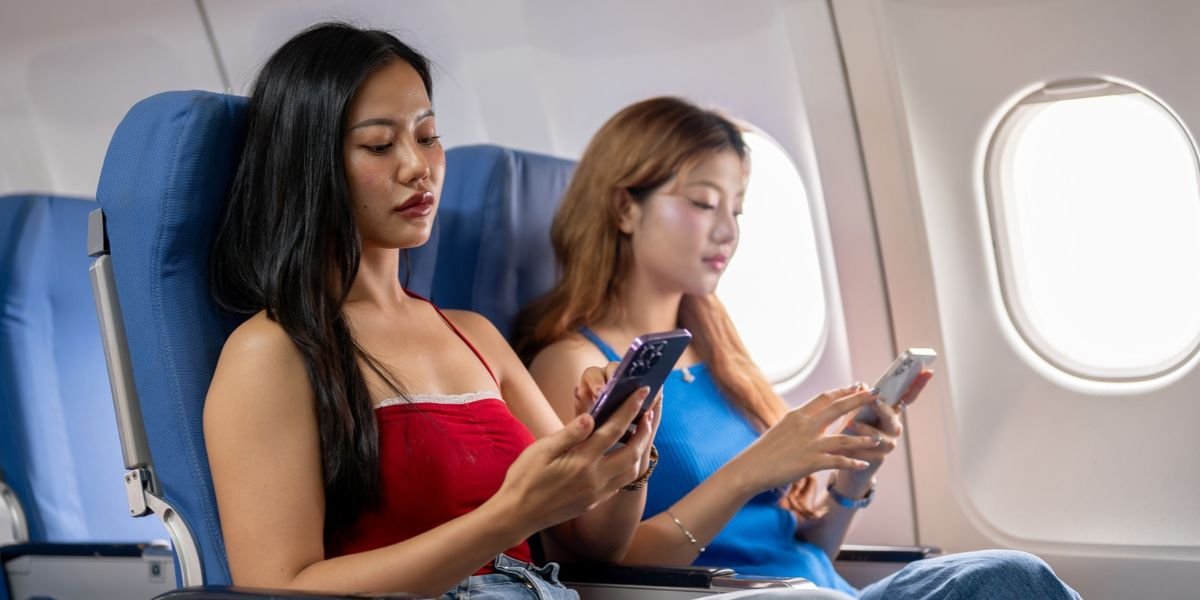
Behind many of these upgrades is Starlink, the satellite internet service run by Elon Musk's SpaceX. As of late October, both British Airways and Virgin Atlantic were rolling it out across their fleets, and easyJet has confirmed it will follow from 2027. Here's what that means for your next trip, and why it matters so much to the company behind it.
Which Airlines Have Starlink Now?
British Airways signed a major deal with Starlink as part of its wider £7 billion transformation programme, promising free Wi-Fi for every customer in every cabin. The rollout has started with its Boeing 787-8 aircraft and is expanding across more of the fleet.
Virgin Atlantic has introduced Starlink on its Airbus A350s and is extending it to its Boeing 787s, with installations on the newer A330neo aircraft expected to be completed during 2027.
Elsewhere in Europe, Air France, Aer Lingus, Iberia, SAS and airBaltic all offer Starlink on at least some aircraft. In the US, United Airlines and Qatar Airways in the Gulf were among the early adopters that put the service on the map.
For short-haul fans, easyJet has announced a Starlink partnership with installation starting in the first half of 2027 and due to finish across its A320 and A321 fleet by early 2028. That would make it one of the first big low-cost carriers in Europe to offer fast Wi-Fi as standard.
How to Check Before You Fly
Because installations are happening plane by plane, it’s not guaranteed that every flight on a particular airline will have it yet. The simplest way to check is to look at the aircraft type listed on your booking, then compare it with your airline’s Wi-Fi page. Some travel apps and seat maps now flag Starlink-equipped aircraft too. If it matters for work or a long flight with the kids, it’s worth checking a day or two before departure, as aircraft swaps do happen.
Why It Feels So Different
Traditional in-flight Wi-Fi often relied on satellites sitting about 36,000 kilometres above the Earth, which meant long delays and limited capacity shared by everyone on board. Starlink uses thousands of satellites in a much lower orbit, closer to the planet, so signals travel a far shorter distance. The result is quicker loading and a connection that feels much closer to broadband at home.
There’s an environmental and practical footnote, too. Thousands of satellites in low orbit have raised concerns among astronomers about light pollution and among space experts about congestion. It’s a debate that will continue as more networks are launched.
The Business Behind Your Boarding Pass
What looks like a small perk on your flight is a big deal for SpaceX. The company listed on the Nasdaq stock exchange on 12 June 2026, and its results for the third quarter, published on 20 October, showed how important connectivity has become. Starlink brought in $5.25 billion in revenue in those three months, up 69% on a year earlier, with operating profit almost doubling. It now has around 13.6 million subscribers in 174 countries and roughly 11,100 satellites in orbit.
Aviation is one of several “premium” markets, along with ships, remote businesses and governments, where customers are willing to pay more for reliable connectivity. Every airline that signs up adds hundreds of aircraft to the network, and each plane can carry hundreds of connected passengers.
Interestingly, Starlink is no longer the biggest part of SpaceX. In the same quarter, the company’s artificial intelligence division, built around xAI, which SpaceX absorbed earlier in the year, generated more revenue than Starlink for the first time. Total revenue reached $14.6 billion.
What About the Shares?
For anyone curious about the financial side, SpaceX shares have been a bumpy ride since listing. They were sold at $135 each in June, jumped above $225 within days, slipped below the listing price over the summer and were trading around $140 in early November, slipping 2.3% on 11 November ahead of the next big Starship test flight.
Searching for a spacex stock prediction 2030 brings up wildly different figures, because they depend on big unknowns: how fast Starlink keeps growing, whether the AI business stays profitable, and how quickly the giant Starship rocket becomes reusable. Forecasts are best read as scenarios rather than promises, and it’s worth checking when each one was made.
The Bottom Line for Travellers
For most of us, the real change is simple: long flights are becoming more connected. Whether that’s a blessing, letting you work, stream or stay in touch with home, or a curse, if you treasured those few hours offline, is a matter of taste. Either way, next time you settle into your seat and the Wi-Fi connects instantly, you’ll know there’s a satellite network a few hundred kilometres overhead, and a very large company, making it happen.