
What Is a Sauna? Benefits, Types and How It Works
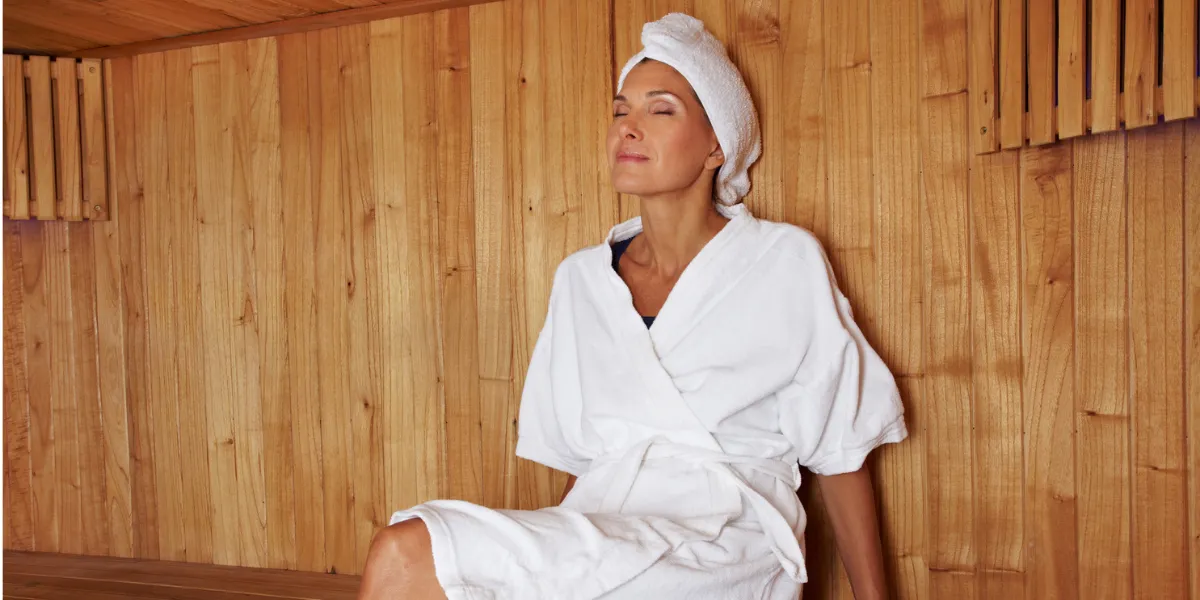
A sauna is a heated room or enclosed space designed to expose the body to controlled heat for a set period. Traditionally associated with Scandinavian wellness culture, sauna bathing has become increasingly popular in modern homes, gyms, spas and wellness centres. Today, different sauna designs use different heating methods, temperatures and humidity levels, allowing people to choose an experience that suits their preferences and available space.
Unlike a steam room, which relies on high humidity, a traditional sauna generally uses dry heat. Infrared saunas work differently by using infrared energy to warm the body more directly. Understanding these differences can help you decide which type of sauna is appropriate for your home or wellness routine.
How Does a Sauna Work?
A sauna works by creating a controlled heated environment. In a traditional sauna, an electric or wood-burning heater raises the temperature of the room, often using heated stones. Water may occasionally be poured over the stones to create a short burst of steam, although the overall environment remains relatively dry.
The increase in temperature causes the body to respond naturally. Blood vessels widen, the heart rate can increase, and the body begins producing sweat as it attempts to regulate its temperature.
An infrared sauna uses a different heating mechanism. Instead of primarily heating the surrounding air, infrared panels emit infrared energy that warms the body more directly. This allows some infrared saunas to operate at lower ambient temperatures than traditional saunas while still producing a noticeable warming effect.
Modern home sauna designs can also incorporate features such as lighting, digital controls, seating, temperature monitoring and entertainment systems. For example, the Kubix Sauna available from Jaquar UK includes a 4.5 kW stove heater, thermometer, hygrometer, sandglass timer, chromotherapy and Bluetooth functionality.
What Are the Benefits of Using a Sauna?
Sauna bathing is generally associated with relaxation and wellbeing. While it should not be considered a replacement for medical treatment, regular sauna use may form part of a broader healthy lifestyle.
1. Relaxation and Stress Reduction
One of the most immediate reasons people use saunas is relaxation. Sitting in a warm environment away from everyday distractions can encourage the body and mind to slow down.
The heat may also help relax tense muscles, while the quiet environment can make a sauna session an opportunity to disconnect from screens and daily responsibilities.
For many people, incorporating a short sauna session into an evening routine can create a transition between a busy day and a period of rest.
2. Muscle Relaxation
Heat can increase blood flow and help relax muscles after physical activity. This is one reason saunas are commonly found in gyms, sports facilities and wellness centres.
People who exercise regularly may use sauna bathing as part of their post-workout recovery routine. However, it is important to rehydrate after exercising and avoid using a sauna while already dehydrated.
3. Sweating and Temperature Regulation
Sweating is the body’s natural method of cooling itself. When exposed to the high temperature inside a sauna, the body increases sweat production to regulate its internal temperature.
It is worth distinguishing sweating from the idea of “detoxing”. Although sauna sessions can cause substantial sweating, the body’s primary detoxification systems are organs such as the liver and kidneys. Sauna use should therefore be viewed primarily as a heat and relaxation practice rather than a medical detox treatment.
4. A Dedicated Wellness Routine
A home sauna can make wellness more convenient by bringing the experience into the home. Instead of travelling to a spa or gym, homeowners can create a dedicated space for heat therapy and relaxation.
The design of the sauna also matters. Contemporary models can be incorporated into dedicated wellness rooms, bathrooms or other suitable indoor areas depending on installation requirements.
What Types of Saunas Are There?
There are several types of saunas, with traditional and infrared models being among the most common.
Traditional Sauna
A traditional sauna uses a heater to raise the temperature of the surrounding air. Heated stones are commonly used with the heater, and small amounts of water can be added to the stones to create temporary bursts of steam.
Traditional saunas are often characterised by timber interiors and bench seating. They can be suitable for dedicated sauna rooms as well as residential wellness spaces where sufficient room and appropriate installation conditions are available.
Infrared Sauna
An infrared sauna uses infrared heating panels rather than relying solely on a conventional stove to heat the air.
Because infrared technology works differently, these saunas can provide a distinctly different experience from traditional models. They are also available in relatively compact formats, which can be useful where space is limited.
The Solo One Infrared Sauna is one example of a compact home sauna solution available from Jaquar UK. Its listed specifications include a single-person configuration, infrared heating and integrated lighting.
Steam Room or Steam Sauna
The term “steam sauna” is sometimes used casually, but a steam room is technically different from a traditional sauna. A steam room generates humid heat using a steam generator, creating a much higher-humidity environment.
Steam solutions can be installed as dedicated cabins or integrated into a bathroom. They are particularly suited to people who prefer humid heat rather than the dry environment of a conventional sauna.
Sauna vs Steam Room: What Is the Difference?
The primary difference is humidity.
A traditional sauna generally provides high-temperature, relatively dry heat, while a steam room operates at a lower temperature but with very high humidity.
The experience is therefore quite different. A sauna can feel intensely hot but relatively dry, whereas a steam room feels moist because the air contains significant amounts of water vapour.
Neither should automatically be considered better than the other. The choice largely depends on personal preference, available space, installation requirements and the type of wellness experience you want.
How Long Should You Stay in a Sauna Per Session?
There is no single duration that works for everyone. People who are new to sauna bathing may want to begin with a short session and gradually become accustomed to the heat.
A typical session may last around 10 to 15 minutes, although experienced users may stay longer depending on the sauna temperature, their tolerance and the guidance provided by the manufacturer or healthcare professional.
The key is to pay attention to how you feel rather than treating a longer session as a better one.
Leave the sauna if you feel dizzy, unusually weak, nauseous, confused or uncomfortable. Cooling down gradually and drinking water afterwards can also help replace fluids lost through sweating.
Can You Use a Sauna Every Day?
Some people incorporate sauna bathing into their regular routine, but daily use is not necessary to experience the relaxation benefits of heat exposure.
If you choose to use a sauna frequently, hydration, session duration and individual tolerance are important considerations. People who have medical conditions, are pregnant, take certain medications or have concerns about heat exposure should seek appropriate medical advice before beginning regular sauna use.
Children should not use saunas without specific guidance and supervision, as they can be more sensitive to high temperatures.
Who Should Avoid Sauna Use?
Saunas are not appropriate for everyone. People with certain cardiovascular conditions, uncontrolled blood pressure problems, heat sensitivity or other medical concerns should consult a healthcare professional before using one.
Alcohol should also be avoided before and during sauna use because it can increase dehydration and may affect the body’s ability to regulate temperature.
A sauna should never be treated as a way to push through illness, dehydration or exhaustion. If you feel unwell, it is better to leave the sauna and allow your body to recover.
What Should You Consider Before Installing a Home Sauna?
Installing a home sauna requires more than simply choosing a model that fits the available space.
Start by considering the room dimensions, ventilation, electrical requirements, access for installation and the manufacturer’s recommended clearances. The floor and surrounding materials should also be appropriate for the environment.
Think about how the sauna will be used. A single-person infrared sauna may be suitable for someone who wants an individual wellness routine, while a larger traditional sauna may make more sense for households that want to use the space together.
Design is another consideration. A sauna can become part of a larger wellness area alongside a shower, bath or relaxation zone rather than functioning as an isolated feature.
For example, the Paire Sauna from Jaquar UK is an infrared model designed for two people, with a Hemlock construction and integrated LED colour lighting.
How to Make Your Sauna Sessions More Comfortable
A few simple habits can make sauna bathing more comfortable.
Stay hydrated: Drink sufficient water before and after your session.
Start gradually: If you are new to sauna bathing, begin with shorter sessions rather than immediately spending a long time in high heat.
Avoid alcohol: Alcohol can increase dehydration and may make heat exposure less safe.
Take breaks: Allow your body to cool down between sessions if you plan to use the sauna more than once.
Keep the space clean: Wipe down benches and surfaces regularly and follow the manufacturer’s maintenance instructions.
Listen to your body: Heat tolerance differs from person to person. Feeling uncomfortable is a reason to stop rather than continue.
Creating a Home Wellness Space
The growing interest in home wellness has changed how homeowners approach bathroom and leisure spaces. A sauna can be part of a broader environment designed around relaxation, recovery and personal wellbeing.
Depending on the available space, a wellness area could combine a sauna with a shower, bathtub, comfortable seating and appropriate lighting. The goal does not have to be creating a large spa-like room. Even a carefully planned compact space can provide a dedicated place to disconnect from everyday routines.
Ultimately, choosing between a traditional sauna, infrared sauna or steam room comes down to the type of experience you prefer, the space available and the practical requirements of installation.
A well-planned sauna can become more than another feature in a home. Used responsibly, it can provide a dedicated environment for relaxation, warmth and personal wellness while fitting naturally into a modern lifestyle.
By H.Nelson
Image credit Dreamstime.com







A Dickens of a Christmas at Castle Howard: carriage rides, fabulous pies and festive afternoon tea