
The Essential Car Checks to Make Before Setting Off on a Family Road Trip
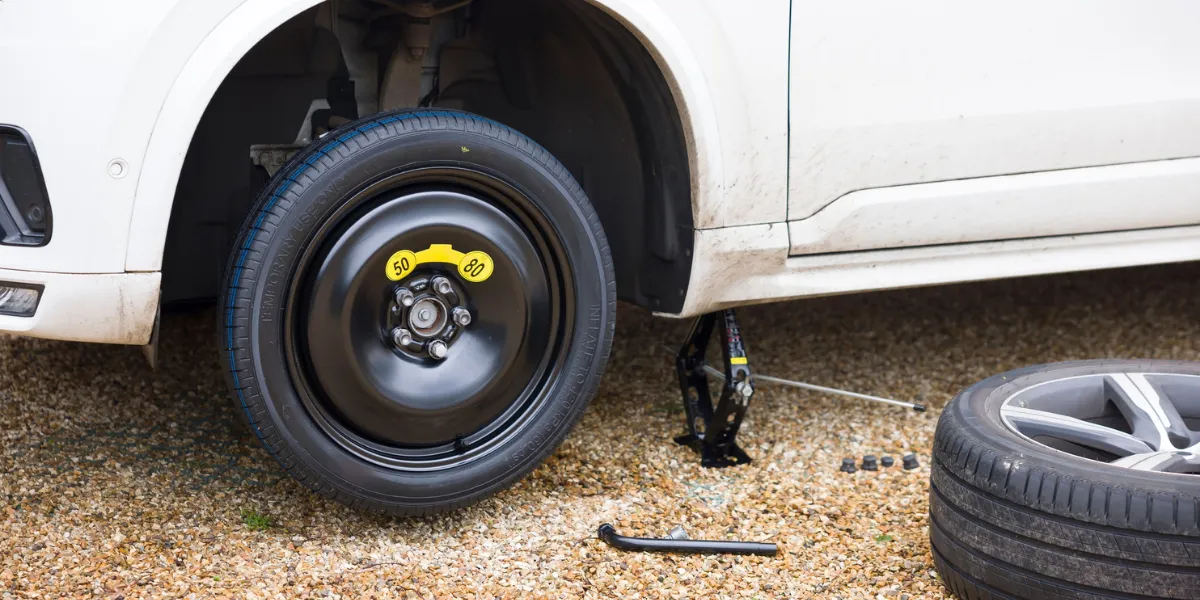
Knowing where to find help, including emergency mobile tyre fitting if a tyre problem occurs along the way, can also make unexpected situations easier to manage.
A little preparation before leaving home can help reduce the risk of delays and make the journey more comfortable for everyone. From checking tyre condition to inspecting fluid levels, here are some essential vehicle checks every family should consider before travelling.
1. Check Your Tyres Before Leaving
Tyres are one of the most important parts of your vehicle to inspect before a long journey. They affect braking, steering, handling and overall road safety, particularly when travelling with a full car.
Start by checking the tread depth across all four tyres. The legal minimum tread depth for car tyres in the UK is 1.6mm across the central three-quarters of the tread and around the entire circumference.
It is also worth looking for cuts, cracks, bulges or other visible damage. If you notice anything unusual, arrange a professional inspection before setting off.
Remember to check the spare tyre too, if your vehicle has one. A spare that has lost pressure or is damaged may not be much help if you experience a puncture during your trip.
2. Make Sure Your Tyre Pressure Is Correct
Incorrect tyre pressure can affect how a vehicle handles and may increase fuel consumption.
Before a long journey, check the pressure of each tyre when they are cold. The recommended figures can usually be found in the vehicle handbook, on a label inside the driver’s door or near the fuel filler flap.
If you are travelling with several passengers and a packed boot, check whether your vehicle manufacturer recommends different pressures for a heavier load.
Do not forget to check the spare tyre where applicable. Having the correct pressure in all tyres helps your vehicle perform as intended throughout the journey.
3. Check Engine Oil and Other Essential Fluids
Before travelling long distances, take a few minutes to inspect the main fluid levels.
These include:
- Engine oil: Check the level using the dipstick or electronic monitoring system, following the manufacturer’s instructions.
- Coolant: Make sure the coolant level is within the recommended range when the engine is cold.
- Brake fluid: Check the reservoir and look out for any warning signs.
- Screenwash: Top it up to ensure you can keep the windscreen clean.
- Power steering fluid: Check this if your vehicle uses a hydraulic steering system.
Never open a hot coolant reservoir, as pressurised coolant can cause serious burns. If you notice a fluid leak or an unusually low level, investigate the cause before travelling.
4. Inspect Your Brakes
A fully loaded family car needs reliable braking performance, particularly when travelling on motorways, steep roads or unfamiliar routes.
Pay attention to any unusual noises when braking, changes in pedal feel or warning lights on the dashboard.
If the vehicle pulls to one side when braking, produces grinding sounds or takes longer than usual to stop, arrange a professional inspection.
It is better to deal with potential brake problems before leaving home than to discover an issue halfway through a journey.
5. Check Your Lights and Windscreen Wipers
Weather conditions can change quickly, particularly when travelling across different parts of the UK.
Check that your headlights, brake lights, indicators, reversing lights and hazard warning lights are all working properly.
Windscreen wipers also deserve attention. Worn blades may leave streaks or fail to clear water effectively, reducing visibility during heavy rain.
Make sure the windscreen is clean and free from damage that could affect your view of the road.
These small checks can make a considerable difference when driving at night or in poor weather.
6. Pack an Emergency Kit for the Journey
Even a well-maintained vehicle can experience unexpected problems. Having a few useful items in the car can make an unplanned stop easier to manage.
Consider packing:
- A fully charged mobile phone and charging cable
- A first-aid kit
- A warning triangle, where appropriate and safe to use
- A high-visibility jacket
- A torch with spare batteries
- Drinking water and basic snacks
- A tyre pressure gauge
- A breakdown assistance contact number
If your vehicle does not have a spare tyre, familiarise yourself with its tyre repair kit or manufacturer’s breakdown instructions before travelling.
7. Plan Your Route and Check Your Vehicle’s Load
A little route planning can help avoid unnecessary stress, especially when travelling with children.
Check your route before departure and identify suitable places to stop for refreshments, toilet breaks and rest periods.
It is also important not to overload the vehicle. Check the manufacturer’s maximum permitted weight and distribute luggage evenly. Heavy items should be secured properly so they cannot move around during sudden braking.
If you are using a roof box or carrying additional luggage, make sure everything is fitted securely and does not exceed the vehicle’s permitted limits.
8. Know What to Do If You Experience a Tyre Problem
A puncture or damaged tyre can disrupt even the best-planned family holiday. If it happens during a journey, the first priority is to find a safe place to stop away from moving traffic.
Avoid continuing to drive on a flat or seriously damaged tyre, as this can make the damage worse and affect vehicle control.
Depending on your location and circumstances, roadside assistance or a mobile tyre service may be able to help. Services such as TyresFlow provide mobile tyre fitting and tyre support across the UK, including assistance at suitable roadside locations, subject to availability.
Having access to this type of service can be useful when a tyre problem occurs away from home and visiting a traditional tyre centre is not practical.
9. Give Everyone a Comfortable Journey
Preparing the vehicle is only one part of getting ready for a family road trip. It is equally important to make sure everyone is comfortable throughout the journey.
Plan regular breaks, particularly on longer routes, and avoid driving when tired. Children may appreciate having snacks, entertainment and comfortable clothing available.
Make sure everyone wears their seatbelt and that child seats are correctly installed and suitable for the child’s height and weight.
A comfortable journey can make the experience much more enjoyable for the whole family.
Final Thoughts
A successful family road trip starts before you turn the ignition key. Checking your tyres, brakes, fluid levels, lights and essential equipment can help identify potential problems before they interrupt your plans.
No preparation can eliminate every possible breakdown, but taking these precautions can reduce avoidable risks and give you greater confidence when travelling.
Whether you are planning a short weekend escape or a longer UK adventure, a few minutes spent checking your vehicle before departure can help make the journey safer, smoother and more enjoyable for everyone.
Image credit Dreamstime.com







A Dickens of a Christmas at Castle Howard: carriage rides, fabulous pies and festive afternoon tea