5 ways to rediscover Spain on your next holiday

One visit might revolve around city breaks and famous landmarks, while the next reveals quiet fishing villages, mountain trails, or food traditions you have never encountered before.
But as you plan your next trip to the Brits’ favourite holiday destination, it may be worth looking beyond the usual itinerary. Fresh experiences often sit just a few streets, coves, or train stops away!
New perspectives
When you are booking your next holiday to Spain, it doesn’t have to mean revisiting the same beach or sightseeing route. The country rewards curiosity! A traveller who usually heads straight to the coast might find unexpected highlights in a market town inland, while a family that typically books activity-packed breaks could discover the simple pleasure of slowing down and exploring a local neighbourhood on foot.
Spain’s appeal lies in its range. One region offers rugged cliffs and Atlantic views, another presents Moorish history, vineyard landscapes, or cutting-edge art. Even cities with well-known reputations reveal new layers when you venture beyond the busiest districts. A different perspective can transform a destination you thought you already knew.
Five ways to rediscover
1. The foodie
Food offers one of the easiest ways to see Spain differently. Step beyond familiar tapas favourites, and you’ll uncover regional specialities shaped by local landscapes and traditions! Browse a busy food market in Valencia, taste fresh seafood in Galicia, or seek out hearty mountain dishes in Asturias. Small-town restaurants often serve recipes that have been passed down through generations, giving a deeper connection to the places you visit. Ideas:
- Valencia – Famous for authentic paella, bustling markets, and fresh Mediterranean produce.
- San Sebastián (Basque Country) – Renowned for pintxos bars and Michelin-starred dining.
- Santiago de Compostela (Galicia) – Excellent seafood, local cheeses, and traditional Galician dishes.
2. The architect
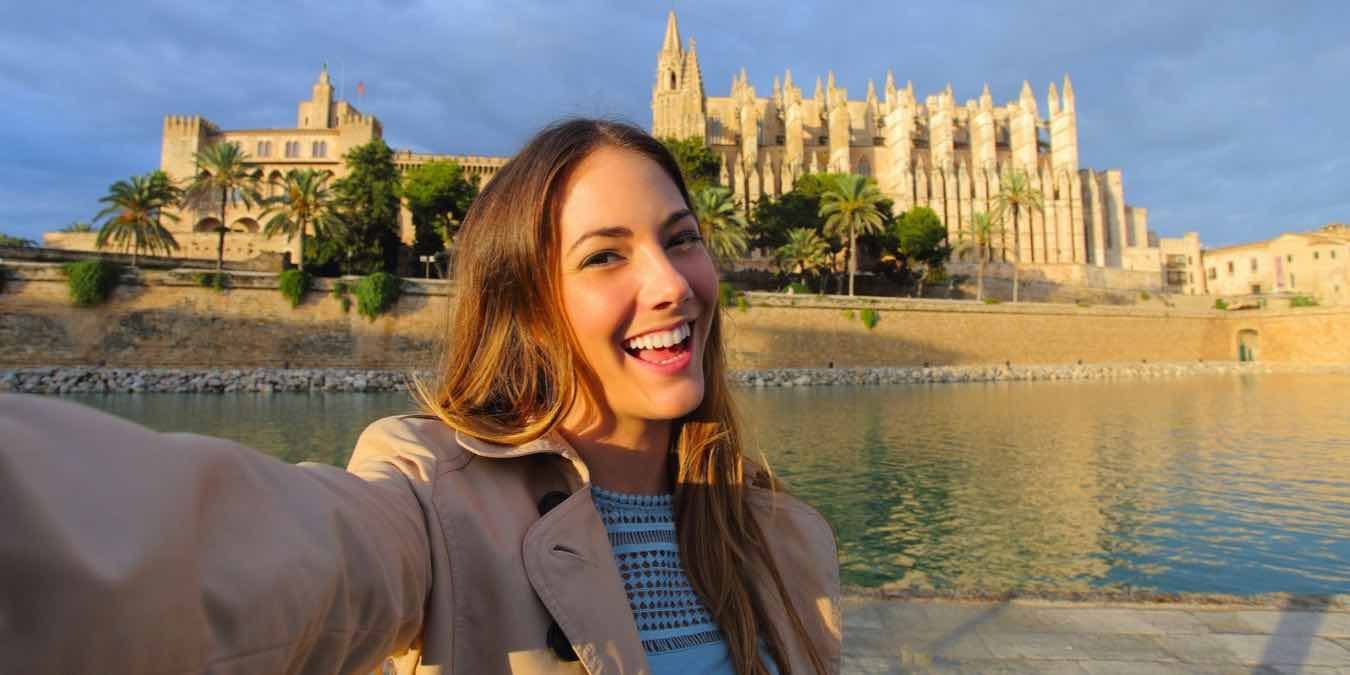
Spain’s architecture tells centuries of history through its streets and skylines. Grand Moorish palaces, medieval quarters, colourful modernist buildings, and contemporary cultural centres often exist side by side. While famous landmarks deserve their reputation, lesser-known towns frequently offer a more intimate experience. Seasonal festivals, open-air exhibitions, and cultural events provide another fantastic window into daily life. Ideas:
- Seville – Home to the Royal Alcázar, Gothic cathedral, and stunning Moorish influences.
- Barcelona – Gaudí’s masterpieces, including the Sagrada Família and Park Güell.
- Córdoba – The Mezquita and historic old town showcase Spain’s rich Islamic heritage.
3. The explorer
Away from the busiest resorts, Spain’s coastline becomes quite dramatic. Secret coves, cliffside paths, and protected coastal areas reveal landscapes that feel far removed from crowded holiday scenes. Guided kayak excursions can lead to secluded beaches that are difficult to reach by land, while coastal hiking routes deliver sweeping sea views and unexpected wildlife sightings. Ideas:
- Costa Brava (Catalonia) – Hidden coves, coastal footpaths, and kayak-friendly waters.
- Cabo de Gata (Andalusia) – Volcanic landscapes, remote beaches, and protected nature reserves.
- Costa da Morte (Galicia) – Rugged cliffs, wild Atlantic scenery, and dramatic hiking routes.
4. The beachgoer
Spain’s beaches have earned their reputation, yet there is far more variety than many visitors realise. In one region, you can find a lively urban shoreline backed by cafés, cycle paths, and buzzing promenades. A few hours away, stretches of undeveloped sand sit between dunes and coastal forests, offering a completely different atmosphere. Joining a guided nature walk, hiring a paddleboard from a local operator, or taking part in a beach-clean initiative can add extra meaning to a day by the water. Ideas:
- Playa de la Concha, San Sebastián – Elegant urban beach with calm waters.
- Playa de Bolonia, Cádiz – Unspoilt sands backed by impressive dunes and Roman ruins.
- Alcúdia, Mallorca – Family-friendly beach with shallow waters and plenty of facilities.
5. The all-inclusive
Resorts have changed considerably in recent years. Alongside traditional holiday complexes, travellers can now choose from boutique properties, eco-conscious retreats, wellness-focused escapes, and family resorts designed around local experiences rather than staying behind the gates. The key is to use a resort as a base rather than a boundary. Spend a morning enjoying the facilities, then head out to explore! Ideas:
- Tenerife (Canary Islands) – Luxury resorts with wellness facilities and easy access to nature.
- Marbella (Costa del Sol) – Boutique resorts, beach clubs, and charming Andalusian surroundings.
- Lanzarote (Canary Islands) – Eco-conscious accommodation, volcanic landscapes, and outdoor activities.
Tailor your Spanish adventure
The most rewarding trips often blend familiar comforts with unexpected discoveries. Travel apps can help with navigation, restaurant recommendations, and event listings, but some of the best experiences still come from conversations with people who call the destination home. Community festivals, artisan workshops, neighbourhood tours, and family-run businesses all offer a closer look at daily life. Instead of simply passing through, you become part of the story, even if only for a short time. So leave space in your plans for spontaneity!
The next time you start planning a trip, consider building in space for something unexpected. Explore a different region, try a new activity, or follow a recommendation that takes you off the usual path. You may return with a completely new perspective on a destination you thought you already knew – and with plenty of ideas for the journey after that!
By A. Valentina
Image credit – Dreamstime.com