Whycation Travel Trend 2026: Meaningful Trips Replace Status and Superficial Tourism
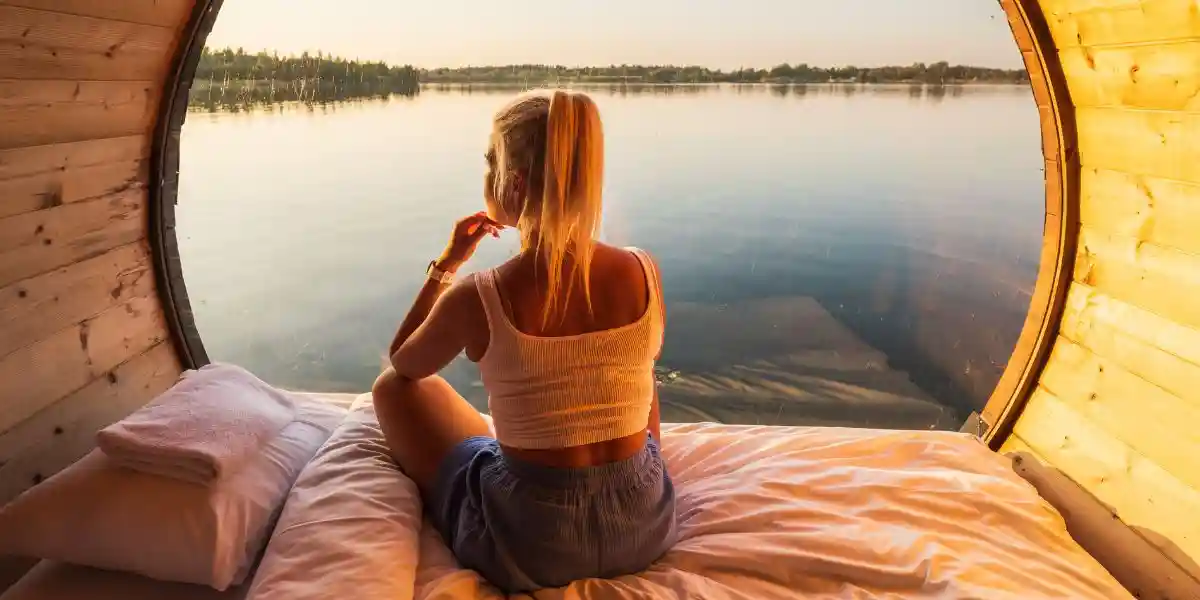
Whycation and Purpose-Driven Travel Are Replacing Status in 2026
During longer stays or quiet breaks between routes, Onja Bet can remain part of a familiar digital routine without pulling focus away from the experience itself. Travellers move slower. They stay longer. They notice details that once felt secondary. Small moments begin to matter more than packed itineraries. Meaning takes priority, and status quietly fades into the background. Even the pace of decision-making shifts, as travellers give themselves time to adjust, reflect, and respond to each place rather than rush ahead.
What Whycation Means and Where It Comes From
A recent report by Hilton, based on 14,000 travellers across 14 countries, points to a clear change. The main reason for leisure travel is now simple. People want to rest and recharge. Over half of respondents named this as their priority.
Whycation reflects that shift. Trips are planned around personal intent. Some travellers seek recovery. Others look for emotional clarity. The destination matters less than the outcome.
This approach grew after years of fast travel. Visiting more places once felt like progress. Now it feels empty. A slower rhythm replaces the rush. Attention turns inward.
What Drives Travellers in 2026
A quiet retreat in nature draws steady demand. Digital detox programs fill quickly. The appeal is simple. Less noise. More presence. Shared experiences also matter more. A week spent with close friends often outweighs any luxury purchase. The memory lasts longer. The impact feels real.
Learning shapes many journeys. Travellers choose cooking classes in regions known for tradition. Others join guided retreats focused on mindfulness. Some prefer expeditions where a new skill becomes part of the experience.
These trips leave a trace. Not in photos, but in habits and perspective.
Planning Becomes Slower and More Intentional
Planning now takes time. Not because it is complex, but because it matters. Travellers compare fewer options. They look deeper into each one.
Short trips lose appeal. A single long journey replaces several brief visits. Staying longer allows immersion. Culture becomes visible in small details. Daily rhythm starts to make sense.
The industry adapts quickly. Hotels offer tailored programs. Some include structured wellness plans. Others focus on cultural exchange. In some cases, guests take part in local environmental projects.
A clear pattern appears in 2026:
- digital detox retreats with full disconnection
- shared travel focused on relationships
- skill-based journeys built around hobbies
- slow travel with deep cultural immersion
Each format answers a specific need. The trip becomes a response, not a distraction.
Real Examples and Industry Response
A week in an eco-lodge often changes how travelers think about time. Energy returns gradually. The effect is noticeable. Culinary tours offer a different result. Travellers come back with recipes. They also bring a deeper sense of place. Food becomes a link to culture.
These experiences reshape expectations. Travel stops feeling like consumption. It starts to resemble investment.
The industry follows this demand. Offers become more focused. Flashy presentation loses value. Authentic contact becomes the selling point. Travellers accept higher costs, in return, they expect depth. Surface-level comfort is no longer enough.
Where This Shift Leads
The direction is steady. Purpose moves to the centre of travel decisions. Status fades into the background. Trips become fewer. Their impact grows. Each journey carries weight. It leaves something behind. Those who try this approach rarely return to fast tourism. The contrast feels too strong. Planning changes permanently.
Meaning does not compete with experience. It defines it.