How to Plan Your Trip to Peru: A Step-by-Step Guide for UK Travellers
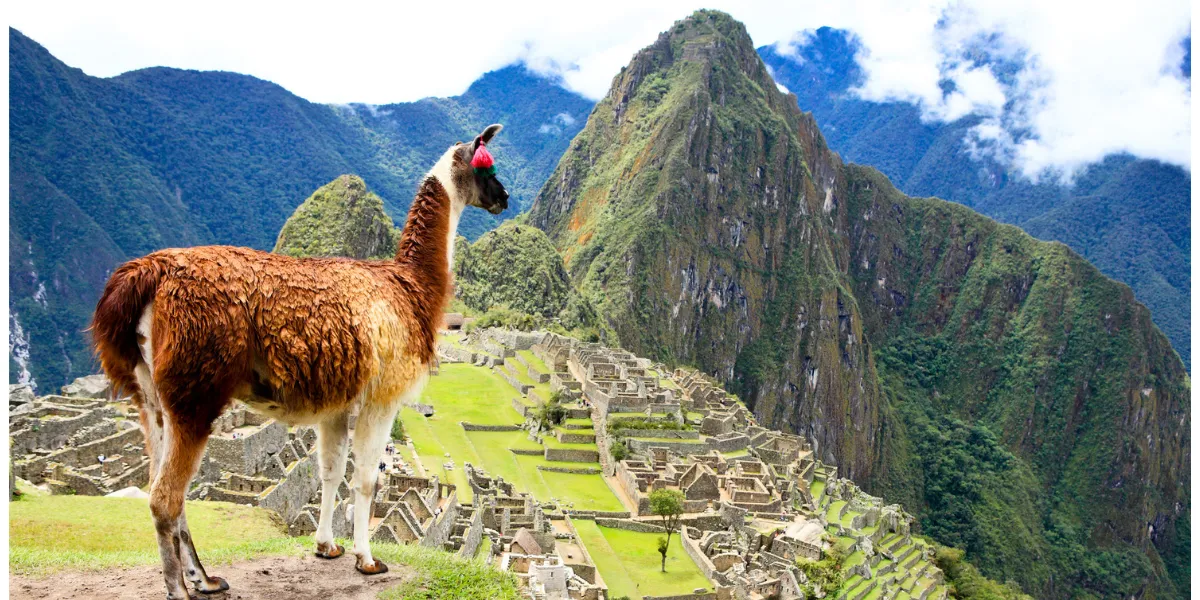
For a first visit, the sequence of your planning decisions makes as much difference as the decisions themselves. Dates come first, followed by how you will book, which tickets to secure early, how to shape your route around altitude, and what to sort out at home before you leave.
Step 1: Choose When to Go and How Long to Stay
The Andes have two broad seasons. The dry months from May to September bring clearer skies and the most reliable trekking conditions, which also makes them the busiest. December to March is the wettest period, with afternoon rain and some muddy trails, though prices and crowds are lower. The Inca Trail closes every February for cleaning and maintenance, so pick another month if the trek is part of your plan. April and October are good compromises, with mostly settled weather and fewer visitors.
For trip length, allow for the travel time from the UK at each end. As a guide:
- 10 days covers Lima, the Sacred Valley, Machu Picchu, and Cusco at a steady pace
- 12 to 14 days adds Lake Titicaca, Arequipa, or a few nights in the Amazon
- Under 9 days is possible, but leaves little time for altitude adjustment
Step 2: Decide Whether to Plan Independently or Use a Tour Operator
Once your dates are set, decide who will handle the bookings. Planning independently costs less and gives you full control, but you will need to line up flights, hotels, trains, and timed Machu Picchu tickets yourself. One rule applies to everyone: hiking the Inca Trail requires a tour operator, and travellers are not allowed to do it on their own. Group Peru vacation packages from companies such as G Adventures and Intrepid follow fixed itineraries with shared costs, which suits solo travellers and those on tighter budgets.
A custom operator sits between the two. If you would rather have one company help you plan your trip to Peru, Machu Travel Peru works with first-time visitors through English-speaking trip designers who build the itinerary around your pace before you travel. Its trips cover trains, internal flights, and entry permits, with 24/7 support while you are in the country. Choose the approach that matches your budget and how much planning you are comfortable doing yourself.
Step 3: Book Flights, Trains, and Machu Picchu Tickets in the Right Order
Some bookings are harder to secure than others, so book them in this order:
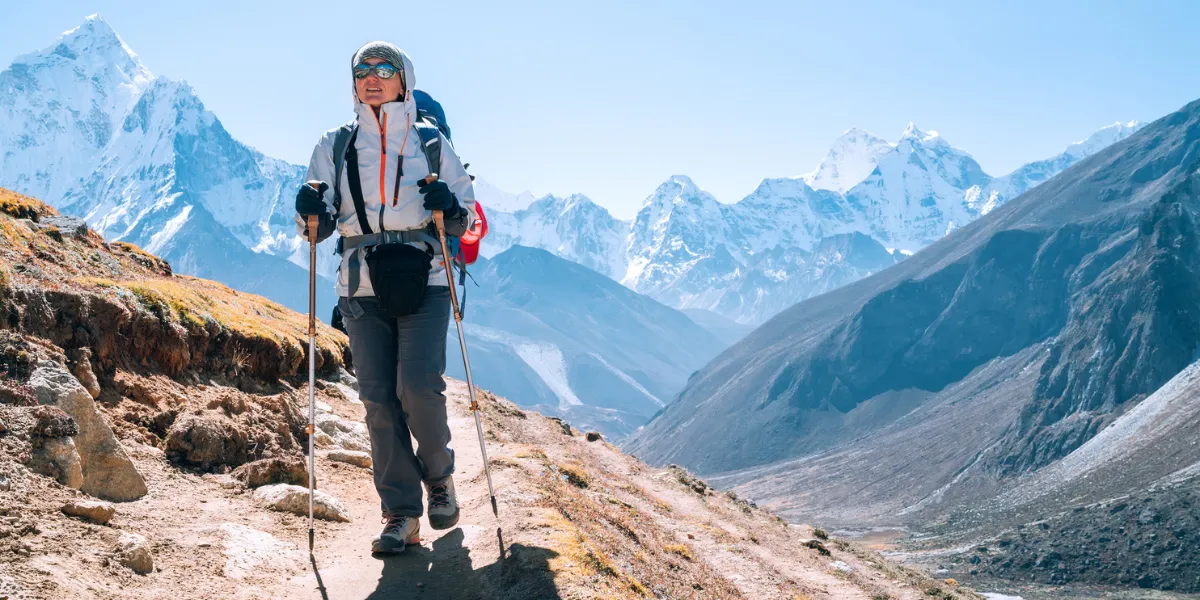
- Inca Trail permits, if you are trekking. For the June to August peak, aim to book at least five to six months ahead.
- Machu Picchu entry. Tickets for every circuit are sold only through the official website, cultura.pe, and the most popular circuits often sell out weeks in advance.
- Flights from the UK to Lima. Most routes connect through a hub such as Madrid or Amsterdam, followed by a short domestic flight to Cusco.
- Trains to Aguas Calientes, the town below Machu Picchu, with PeruRail or Inca Rail. Match the arrival time to your entry slot.
- Hotels, once the fixed points above are confirmed.
Check that every ticket uses your name exactly as it appears in your passport, since tickets are matched to the passport used to purchase them and scanned at entry. Most Peru vacation packages handle this sequence for you, but independent travellers should keep a single document listing each booking, time, and reference number.
Step 4: Build a Route That Allows for Altitude
Altitude shapes the order of your route more than distance does. Cusco sits at about 3,400 metres (11,150 feet), while Urubamba in the Sacred Valley is at about 2,870 metres (9,400 feet), and Machu Picchu is lower again at about 2,430 metres (7,970 feet). Headaches, poor sleep, and breathlessness are common in the first 48 hours. Flying from Lima to Cusco and heading straight down to the Sacred Valley lets you adjust at a lower level first.
A sample 12-day route might look like this:
- Days 1 to 2: Lima, to recover from the long-haul flight
- Days 3 to 5: Sacred Valley, with gentle site visits at Pisac and Ollantaytambo
- Day 6: Train to Aguas Calientes
- Day 7: Machu Picchu, then return to Cusco
- Days 8 to 10: Cusco, once you have acclimatised
- Days 11 to 12: Return to Lima and fly home
Allow at least two nights at moderate altitude before any trek or strenuous day.
Step 5: Sort Out Passports, Health, Insurance, and Money
Your passport must have an expiry date at least six months after the date you arrive in Peru. British citizens can travel to Peru without a visa for tourism or short visits, and the length of stay is set at immigration on arrival. Read the FCDO travel advice before booking, as it advises against all but essential travel to parts of Peru, and check it again shortly before you leave. For vaccinations, TravelHealthPro’s Peru guide covers medical entry requirements and recommended vaccines, and a GP or travel clinic can advise on yellow fever if your route includes the Amazon. Book travel insurance that covers trekking and high altitude, and confirm the maximum altitude stated in the policy.
For money, Peru uses the sol. Cards are accepted in most hotels and restaurants in Lima and Cusco, but you will need cash for markets, small shops, tips, and rural areas. Withdraw soles from ATMs inside banks or shopping centres, and tell your bank before you travel so your cards are not blocked.
Put Your Peru Plan into Action
With your dates chosen and your planning approach decided, secure the bookings that sell out first, then fit flights, trains, and hotels around them. Check your passport, insurance, and the latest travel advice a few weeks before you leave. Working through these steps in order gives you a clear plan and time to adjust if anything changes.
By L.Jackson
Image credit – Dreamstime