Global conservation centre at Twycross Zoo
It’s the largest single Government grant ever awarded to a UK zoo and this new, state-of-the-art facility will focus on driving real, global solutions to protect endangered species, right from the heart of the UK.
The £25 million Global Conservation Centre is being developed in collaboration with Hinckley & Bosworth Borough Council and some of the UK’s leading universities. It’s set to become a hub for global conservation efforts, combining cutting-edge research, education, and training while also creating a space to inspire and support the next generation of conservation leaders.
As part of this ambitious project, Twycross Zoo has also announced plans for a brand-new Indonesian-themed area that will link directly to the conservation campus.
Don’t forget to subscribe to the Girl About Travel Magazine twice monthly newsletter
The new development aims to immerse Twycross’s 700,000 annual visitors in the natural wonders of Indonesia, one of the world’s richest biodiversity hotspots, yet one that’s under serious threat due to human impact.
Education Programme
A new education programme will be launched to shine a light not only on Indonesia’s incredible wildlife, but also on the very real challenges it faces – and how even small behaviour changes here in the UK can make a difference in protecting this globally important ecosystem.
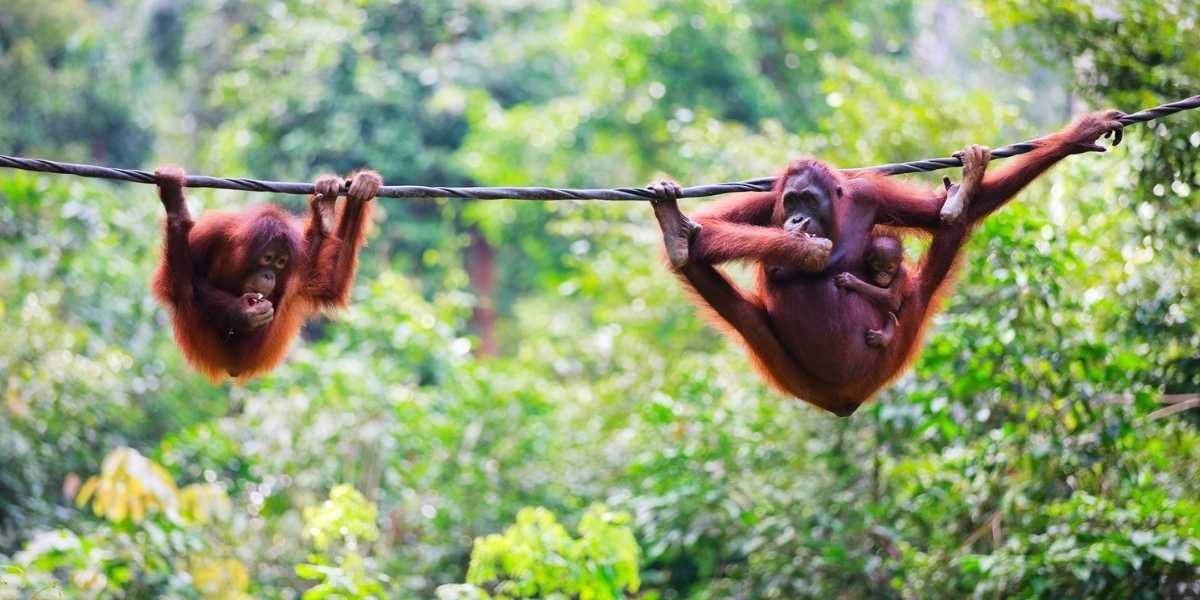
This new area will include a world-class habitat for Bornean orangutans, along with new enclosures for other threatened Indonesian species that are all part of Twycross’s wider ex-situ conservation work.
The zoo has also pledged to expand its on-the-ground conservation projects in Indonesia, working closely with organisations like the Borneo Nature Foundation and Action Indonesia.
Head to their home page to find out more about the conservation efforts underway at Twycross.
Key features of the planned Global Conservation Centre include:
- A 200-seat lecture theatre overlooking a new world-class Bornean orangutan habitat.
- Research & Teaching Spaces – 3 indoor classrooms with adjacent wildlife gardens, and a cutting-edge science lab for both current and future conservation leaders to learn and work.
- Accommodation for visiting experts and students – 24 bedrooms to welcome professionals and students from around the world.
- Leading Academic Partnerships – The Global Conservation Centre will be home to a number of research and education partnerships between Twycross Zoo and 8 of the country’s leading universities, to facilitate an expanded programme of applied conservation higher education opportunities.
- A new world-class Bornean orangutan habitat and themed area of the zoo
Biodiversity Loss
Dr Rebecca Biddle, Chief Conservation Officer at Twycross Zoo and Vice Chair of EAZA (European Association of Zoos and Aquaria) said: “The unrelenting pressure that we face from the dual climate and biodiversity loss crises, pose a serious threat to the survival of our planet. Our conservation efforts need to be bigger, bolder and more united. Zoos are being called on to do more in this mission, and the Global Conservation Centre is our answer to that call.
“Uniquely designed and positioned to allow international conservationists to work in connection with the natural world, we believe that being alongside the species we are working to save will offer unrivalled opportunities to study, learn and develop real-world solutions for endangered wildlife.
“We are truly grateful to Hinckley and Bosworth Borough Council and our local MP, Dr Luke Evans, for their continued backing of this project, supporting us for the last few years to secure this staggering £18million of Government funding for our charity.
“Twycross Zoo has been a pioneering organisation since it opened its gates in 1963, but we know that we cannot solve the biodiversity crisis by ourselves. The Global Conservation Centre will facilitate collaboration to accelerate innovation, multidisciplinary research and applied conservation action for the species who need it most.”
This ambitious announcement from the charity, comes off the back of its launch of ‘Conservation in Action’ – a 70-page publication, and micro-documentary, highlighting the zoo’s work towards its 2030 goals, which are directly linked to the UN’s Sustainable Development Goals and the Kunming-Montreal Global Biodiversity Framework.