How to Turn Family Travel into the Ultimate Real-World Learning Adventure
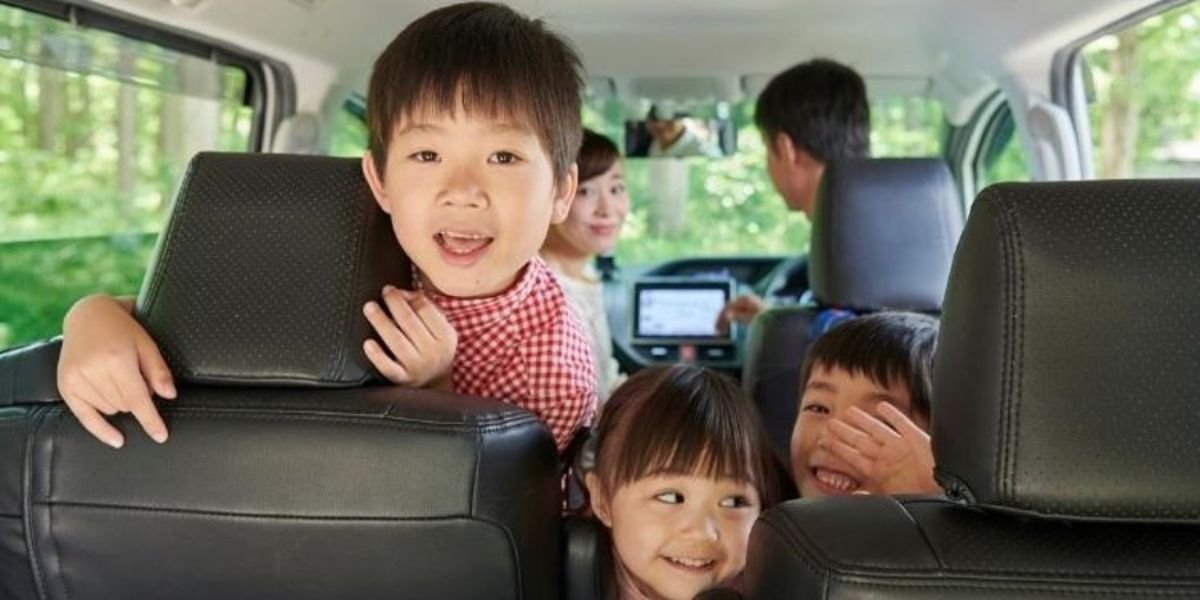
This approach turns every historic landmark, local market, and geography lesson into a hands-on experience.
Mums managing children across multiple age groups often struggle to keep everyone engaged. You might have a toddler in a stroller and a teenager walking beside you. Finding activities that captivate both ends of the spectrum requires a strategy. Travel solves this problem by offering multi-sensory experiences that everyone can enjoy together.
Combining education and travel does not mean bringing a heavy stack of worksheets on vacation. Instead, you can weave critical thinking and real-world skills directly into your itinerary. This method turns standard family trips into deep learning opportunities. You will build lasting memories while preparing your kids for the future.
The Power of Story-Based Learning on the Road
Connecting Places to Narratives
Stories help children retain facts far better than dry memorization. When you visit a new city, connect the location to a compelling narrative. Find local legends, historical figures, or stories about the people who built the area. Children remember historical concepts when they can picture the human drama behind them.
Selecting Portable Educational Tools
You need portable tools that make complex ideas accessible to young minds during long transit hours. To achieve this, you can pick resources that explain big concepts without using confusing jargon. For high-quality materials that bridge the gap between education and entertainment, you can visit tuttletwins.com. Their engaging books offer an excellent foundation for families who want to explore real-world principles during their travels.
Engaging Multiple Age Groups
A good story captures the imagination of a seven-year-old and a fifteen-year-old at the same time. While the younger child follows the adventure, the older child can analyze the deeper themes. You can look for historical fiction or biographies that match your travel destinations. Read these stories aloud during long car rides or flights to set the stage.
Smart Planning for Flexible Educational Travel
Mapping Out Historical Routes
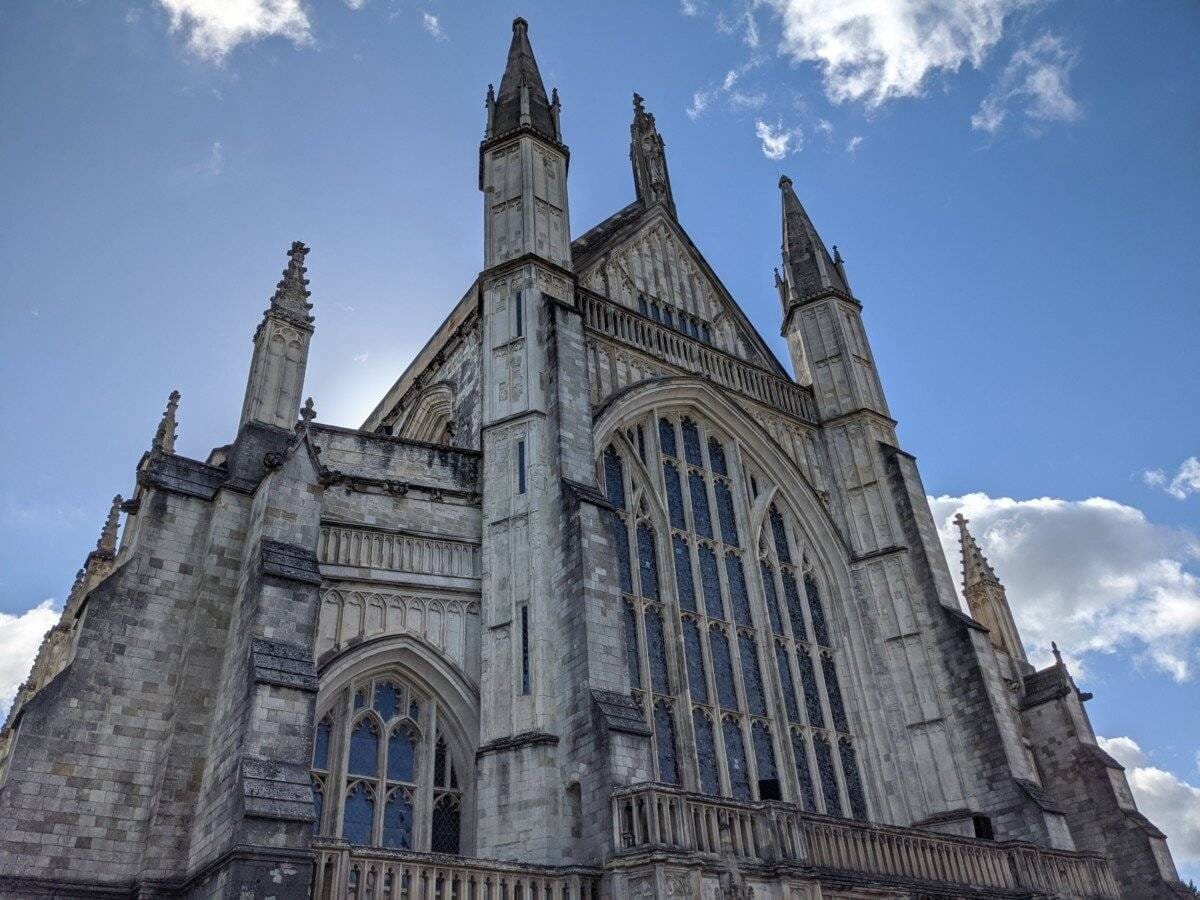
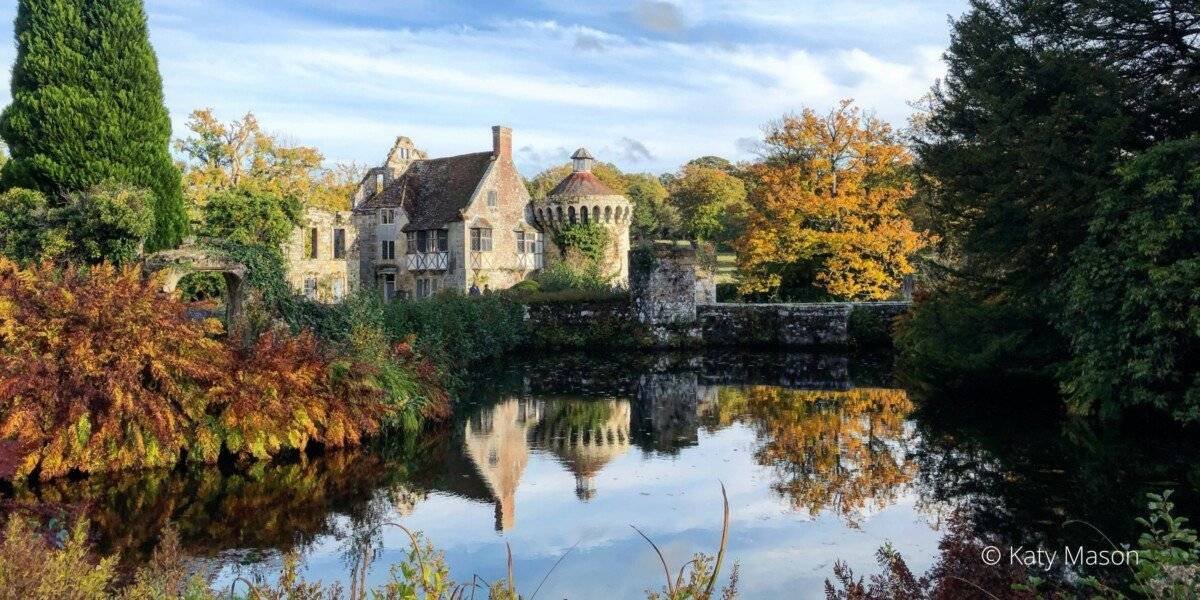
You can build a homeschool curriculum around your travel routes by targeting historic trails and regions. Look for geographic areas that offer a high concentration of learning sites. For example, the eastern coast offers deep insights into early colonial history. Western routes can highlight the challenges faced by early pioneers and the geographic expansion.
Utilizing Alternative Education Funds
Financing these educational resources is becoming easier for many families. If you utilize state-backed school choice programs, check your approved vendor lists before buying materials. Many families use government educational funds to purchase curriculum packages before they head out. This helps you save money while securing high-quality guides for your journey.
Balancing Activities and Rest
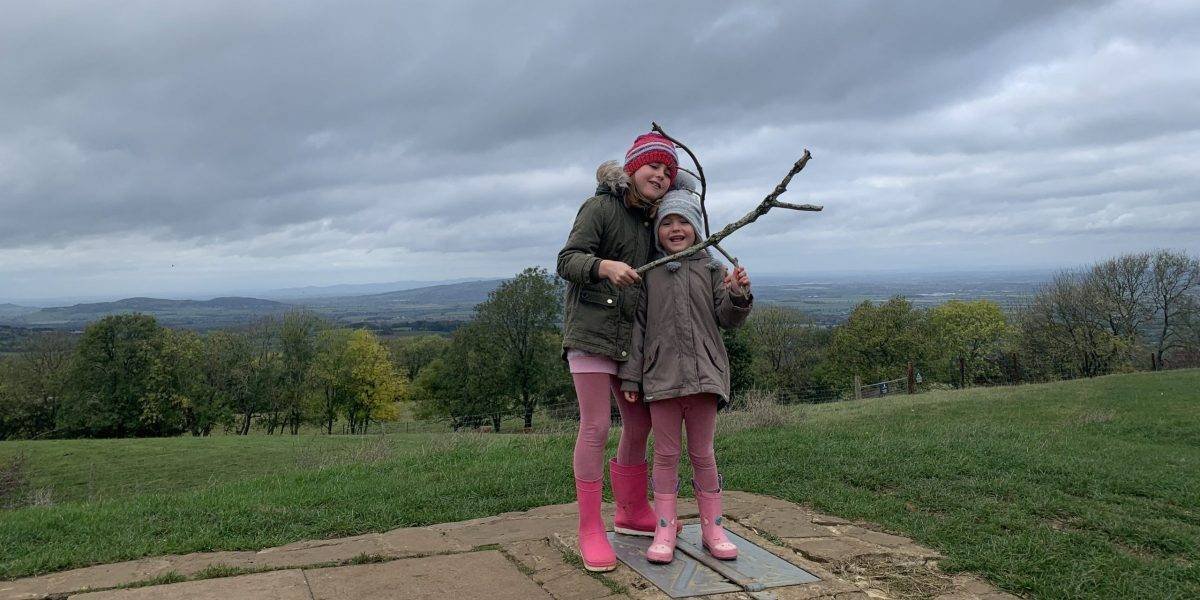
A packed schedule leads to burnout and midday meltdowns. You must balance intensive museum visits with relaxing outdoor recreation. Use afternoons for open-ended play in local parks or nature reserves. This downtime gives children the mental space to process what they learned earlier in the day.
Teaching Practical Economics at the Local Market
Understanding Supply and Demand
Local markets offer a perfect setting for basic economic education for children. You can walk through regional farmers’ markets or craft fairs to observe commerce in action. Point out how scarcity affects prices, especially with seasonal goods or regional specialties. Children quickly learn that prices are not random numbers but reflections of human choices.
Budgeting for Souvenirs
Give your children a set amount of spending money for the trip. Let them manage this budget entirely on their own to teach personal responsibility. They will learn about opportunity cost when they must choose between two different items. This simple exercise prevents impulse buying and teaches the true value of money.
Discovering Global Trade Connections
Every product tells a story about global supply chains. You can look at labels at a shipping port or a local grocery store to see where items originate. Discuss how transport, trade barriers, and cooperation bring goods from distant places to your hands. These moments show kids how interconnected our global economy truly is.
Integrating Civics and Freedom into Sightseeing
Visiting Monuments with Purpose
When you tour state capitols or historic monuments, look past the statues. Focus your commentary on the core ideas of liberty for kids. Discuss the principles that inspired people to build these structures in the first place. You can explore how specific laws influence the daily lives of the citizens who live there today.
Exploring the Ideals of the Founders
You can easily introduce the Founding Fathers’ education for families by visiting colonial sites and battlefields. Look at the documents, letters, and speeches created during crucial moments in history. Discuss the immense courage it took to stand up for individual rights against powerful systems. This context helps children appreciate the foundations of a free society.
Encouraging Critical Thinking
Do not just feed your children pre-packaged facts during your tours. Ask open-ended questions about how power, governance, and freedom interact in different societies. Encourage them to question assumptions and look at history from multiple perspectives. This builds the critical thinking skills they need to navigate the modern world.
Transforming Travel into a Daily Discussion
Fostering Dinner Table Moments
The best learning happens after the sightseeing ends for the day. Use dinner time to gather and discuss the experiences you shared. Parents frequently report that the right materials foster “Dinner Table Moments,” engaging family discussions about complex topics such as economics and liberty. These conversations help children synthesize new ideas in a comfortable setting.
Replicating Classroom Success on the Road
Using targeted books during travel allows you to bring professional pedagogical foundations into your daily routine. The right curriculum can simplify complex truths about how the world works. This inspires independence and equips parents and children to navigate the world with real clarity.
Encouraging Daily Journaling
Have your children keep a travel journal throughout the trip. They can write descriptions, sketch landmarks, or paste in museum ticket stubs. For younger kids, you can write down their dictated thoughts while they draw a picture. Journaling cements the lessons learned and creates a precious keepsake from your journey.
Conclusion
Travel provides a unique canvas for meaningful education. You can move beyond traditional textbooks by immersing your children in the places where history and economics actually happen. This active approach captures the attention of toddlers and teenagers alike. You do not need to mimic a rigid classroom setting to achieve great results.
Start by choosing one or two educational themes for your next family trip. Look for local stories, economic setups, or historical sites that fit those concepts. Give your kids the freedom to ask hard questions and explore their surroundings deeply. You will watch their confidence grow as they discover how the world really works.
Image by Aflo Images from Aflo Via Canva