Simple Weekend Evening Rituals at Home
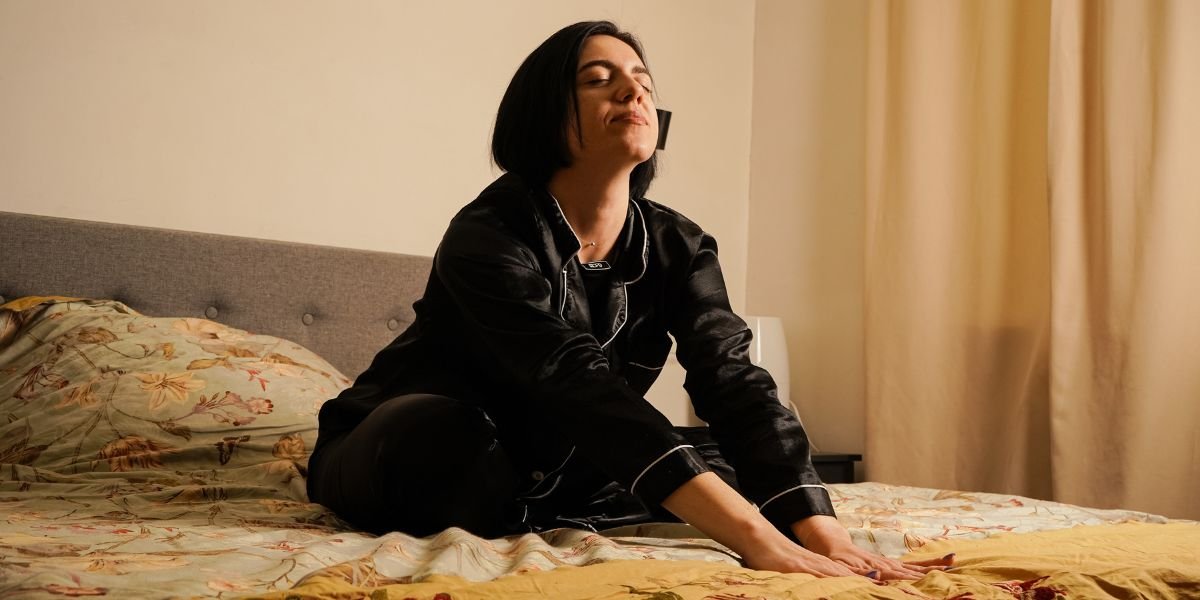
Pick a simple cut-off time. Tidy the kitchen, close work tabs, put laundry away, and dim the lights. The goal is not a perfect home. It is a calmer one.
Stress is common. The Mental Health Foundation reports that 74% of UK adults have felt so stressed at some point over the past year that they felt overwhelmed or unable to cope.
Make the Room Feel Slower
Your environment should tell your body the pace has changed. Bright ceiling lights and cluttered surfaces keep the room feeling active. Softer light and clear surfaces make the space feel easier to sit in.
Use lamps instead of overhead lighting. Put phones on charge away from the sofa. Clear one table. Open a window for ten minutes if the room feels stale.
Some people also keep personal relaxation items, such as candles, journals, herbal tea tools, records, books, or glass pipes, stored neatly in one adult-only place. The point is order, safety, and personal routine, not visual clutter.
Build a Simple Evening Sequence
Rituals work because they reduce decision fatigue. You do not need a long routine. You need a sequence you can repeat without thinking.
A useful weekend evening flow might include:
- Clear the kitchen surfaces
- Change into comfortable clothes
- Put soft lighting on
- Make a warm drink
- Play one low-volume playlist
- Prepare a simple snack
- Read, stretch, or watch one film
- Set a calm bedtime cue
Keep it short. A routine that takes too much effort will not last.
Use Food as a Reset
Weekend food should feel easy, not chaotic. Choose meals that do not create a sink full of dishes. Tray bakes, soup, flatbreads, mezze plates, pasta bowls, and leftovers all work well.
Set food out in a practical way. Use one board, one tray, or one large bowl. This keeps the table calm and cuts cleanup time.
Avoid over-planning. A relaxed meal is better than a complicated one that leaves you tired.
Control Sound and Screens
Noise affects the nervous system. A loud television, constant phone alerts, and background scrolling can make an evening feel restless.
Pick one main screen activity if you want one. A film, a documentary, or a series episode is easier to relax with than switching between apps.
For sound, choose music with a steady pace. Keep the volume low enough for conversation. If you live in a busy area, soft background sound can also cover traffic or neighbour noise.
Add a Small Body-Based Ritual
The body often stays tense after a busy week. A small physical ritual helps signal rest.
This does not need to be a full workout, ten minutes is enough. Try slow stretching, a warm shower, hand massage, simple breathing, or a short walk before dinner.
Keep the movement gentle. The aim is to release tension, not start another task.
Make the Space Feel Personal
Relaxation is easier when the room feels like yours. Add one or two details that connect to memory or comfort.
This might be a favourite blanket, a stack of travel books, a framed photo, a handmade mug, or a scent you use only at weekends. Repetition helps. Over time, the brain connects those details with rest.
Do not over-style the space. Too many objects make cleaning harder and reduce calm.
Prepare Tomorrow Lightly
A good evening should not be ruined by Sunday stress. Spend five minutes preparing for the next day.
Check the calendar. Set out clothes if needed. Put keys, bags, and chargers in one place. Write down any task you are afraid of forgetting.
Then stop. Planning should reduce stress, not restart the workday.
Conclusion
Relaxed weekend evenings come from small, repeatable rituals. Clear the room, soften the light, reduce noise, simplify food, and give the body a cue to slow down.
A calm home routine does not need to look impressive. It needs to feel easy enough to repeat. That is what makes it work.
Image credit – dreamstime