
What everyday accidents teach us about looking after our devices
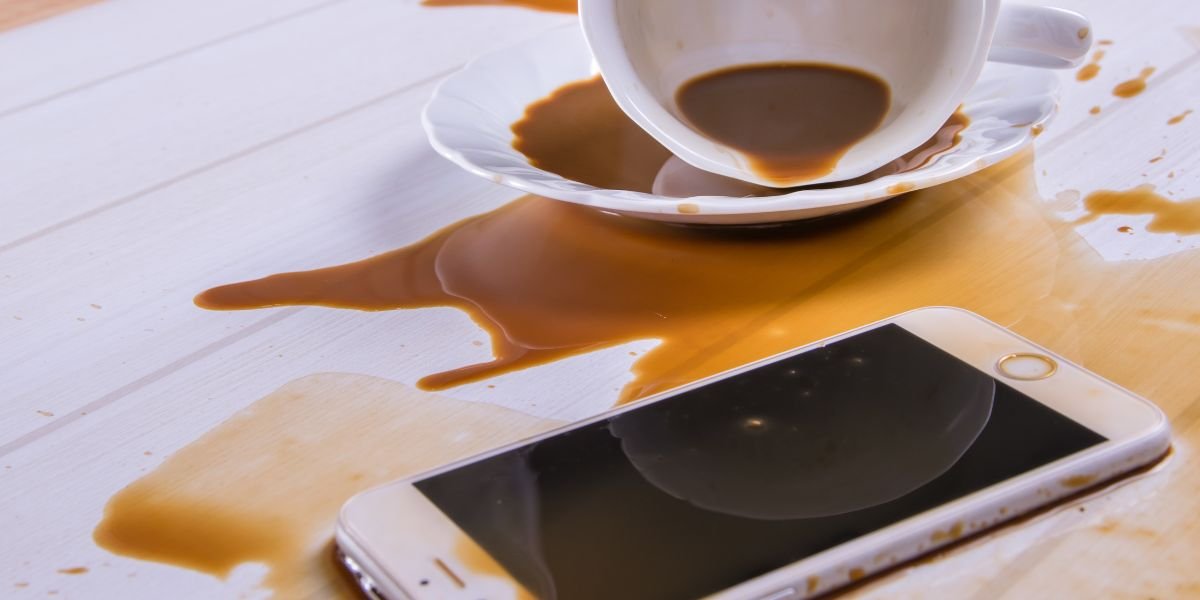
These quick choices create tiny moments of risk that build up over time. When you notice how easily a slip or splash can happen, you start to see your devices less as durable tools and more as companions that rely on your care.
The coffee catastrophe
A hot drink seems harmless until you place it beside your keyboard while you juggle messages or video calls. As your hand moves around the cup, you increase the chance that you’ll knock it over with a stray elbow or rushing gesture.
Liquid doesn’t just sit on the surface, either. It creeps under keys, corrodes small components, and traps moisture where heat builds.
You protect your kit more effectively when you create a clear separation between drinks and electronics. Put your mug on a different table or a low shelf within reach rather than letting it hover beside vital ports. This single habit keeps you in control of your workspace.
The great outdoors drop
When you carry your phone along walking trails or hold a tablet while supervising children in a park, changing ground surfaces and unpredictable movements raise the likelihood of a fall.
A device that slips from your hand onto gravel or paving faces sharp edges that crack screens or misalign internal parts.
You steady your grip and reduce risk when you add a textured case, choose a wrist strap for one‑handed use, and check that your pockets have no loose openings.
If you often spend time outside with your tech, consider gadget insurance as a financial buffer. It won’t prevent damage, but it stops a single accident from disrupting your budget.
The forgotten device
When you’re travelling, it’s even easier to leave a phone on a café table while checking directions or forget a tablet on a train seat as you rush to catch your stop. Airports, hotels, taxis and shared workspaces all encourage quick pack-ups and constant movement. These situations create more than inconvenience: a lost device exposes your data, disrupts your plans and adds unnecessary stress to an already busy journey.
You minimise these moments by building a simple pre-departure ritual wherever you are. Before standing up, pat your pockets, scan the surface around you, and check your bag compartments in the same order each time. This habit becomes especially valuable on the move, strengthening your memory through repetition and keeping your essentials close while you travel.
Turning mishaps into teachable moments
Although accidents frustrate you in the moment, they show you where your habits need refining. Each slip points to an environmental factor or behaviour you can adjust without much effort.
When you reflect on what triggered the incident and make one small change, you turn a brief setback into a long‑term safeguard.
Image credit – dreamstime