Top 3 Mountain Climbing Holidays Around the World
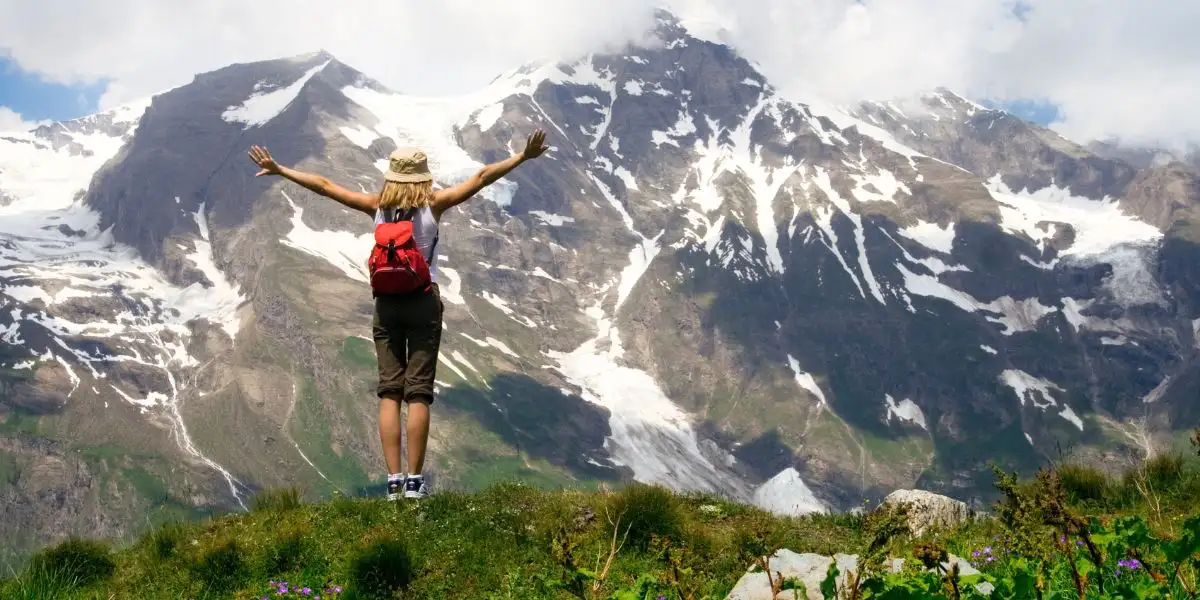
From the Himalayas to the Andes and East Africa, three iconic summits – Everest, Kilimanjaro and Aconcagua – illustrate how very different mountain worlds can deliver equally vivid impressions.
Taken together, these peaks represent three continents, three distinct climbing cultures and three styles of adventure, from oxygen-supported Himalayan expeditions to non-technical high-altitude trekking. While each ascent follows its own traditions and route logic, all of them offer a rare sense of immersion in local nature, communities and the long-standing mountaineering heritage surrounding the mountains.
Everest (Nepal)
Everest, known in Nepal as Sagarmatha and in Tibet as Chomolungma, rises to 8,848.86 metres and stands at the centre of modern high-altitude mountaineering. Approaching it from the south side, climbers typically weave through classic Sherpa villages, cross suspension bridges above the Dudh Kosi river and gradually transition from terraced fields to glacial valleys on the way to the Khumbu region. In this setting, the climb is often perceived not only as a physical undertaking, but as a long journey through layers of culture and landscape.
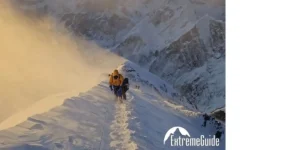
Commercial expeditions on Everest usually build their plans around a carefully structured acclimatisation schedule and a long stay in a fully serviced base camp at about 5,400 metres.
The classical south-side itinerary follows a well-established sequence: Kathmandu – Lukla – Namche Bazaar – Dingboche – Lobuche – Everest Base Camp – Camp 1 – Camp 2 – slopes of Lhotse – higher camps – and finally the summit before returning via the same chain of camps. Each segment is designed to add a little height, then allow sufficient time for the body to adapt, and the days are interspersed with short training climbs on fixed ropes and relaxed walks from camp to camp. This rhythm creates a feeling of steady progress while leaving room to appreciate the changing views of the Khumbu Icefall, surrounding eight-thousanders and the long snow ridges leading toward the summit
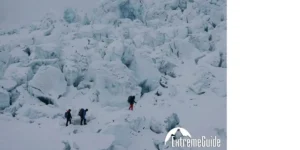
Among the advantages often listed by established outfits are thought-out acclimatisation plans, provision of additional oxygen supplies, satellite communications in upper camps and detailed logistics that extend from airport pick-up to accommodation in Kathmandu. On a practical level, this means that participants can focus on the climb itself while enjoying varied meals, warm communal spaces and the quiet moments that come with watching sunrise and sunset from different camps. In effect, the mountain holiday becomes a continuous sequence of vivid visual impressions – ice seracs, long ridges, prayer flags and the distant glow of villages – tied together by a carefully organised itinerary.
Key features of a modern guided Everest holiday can be summarised as follows:
- Prolonged stay in a fully serviced base camp with comfortable tents and catering.
- Structured acclimatisation climbs through Camps 1–4 on the south route, with rest periods in lower-altitude locations.
- High guide and Sherpa support ratios, including one high-altitude Sherpa per climber during acclimatisation and additional support on summit days.
- Use of bottled oxygen and carefully planned summit logistics to support performance at extreme altitude.
- Access to Wi‑Fi, satellite internet and medical supervision at base camp, which adds comfort without breaking the sense of expedition.
Within this framework, Everest becomes not only a geographical high point, but also a richly textured travel experience that blends Himalayan scenery, Sherpa hospitality and the long narrative arc of a multi-week expedition. The presence of established operators, detailed route descriptions and decades of accumulated knowledge helps turn this legendary summit into a well-structured, memorable holiday for experienced mountaineers who have prepared with lower peaks beforehand.
For travellers exploring further high-altitude objectives and related programs across continents, the broader portfolio of routes, regions and expeditions presented on https://extremeguide.pro/en/ shows how different mountain holidays can complement one another over several seasons.
Kilimanjaro (Tanzania)
Kilimanjaro, at 5,895 metres, rises as a solitary volcano above the plains of northern Tanzania and is often described as one of the most approachable of the continental high points. Unlike glaciated technical peaks, it is climbed by trekking along established paths that pass from tropical forest through heathland and alpine desert to a gentle summit dome, creating a feeling of walking through several climatic zones in just a few days. For many travellers, this gradual transformation of scenery is one of the most appealing aspects of a Kilimanjaro holiday.
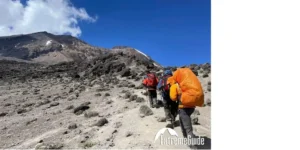
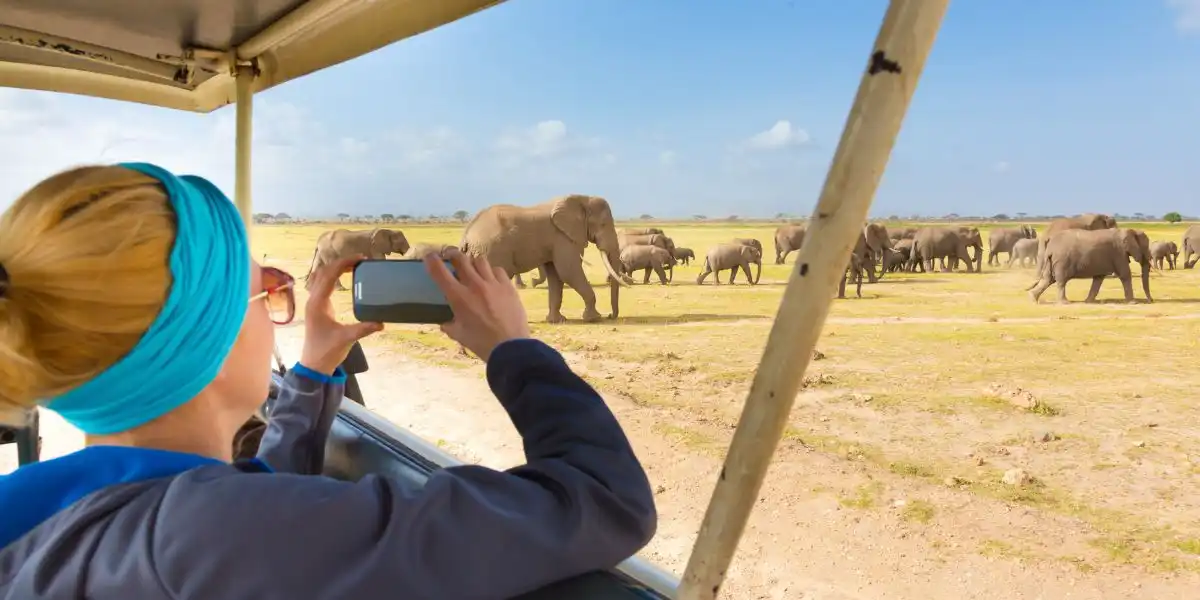
Travel programs built around Kilimanjaro frequently combine the ascent with classic East African experiences, such as safaris in Ngorongoro or Lake Manyara National Parks and relaxation on Zanzibar’s beaches. The contrast between cool mountain air and warm coastal evenings adds a sense of completeness to the holiday.
On the mountain itself, several distinct routes cater to different preferences and time frames. The Marangu route, sometimes nicknamed “Coca‑Cola”, is the classic option with hut accommodation and a relatively short five- or six-day schedule. Machame, or “Whiskey”, is slightly longer, offers broader panoramas and a more gradual acclimatisation profile, and therefore has become increasingly popular among trekkers seeking time to absorb the scenery.
Other routes shape the experience in their own ways. Lemosho is often described as one of the most balanced itineraries, with smooth height gain, spacious camps and sweeping views across the Shira Plateau. Rongai, approaching from the northeast, passes through quieter forest sections and near the Mawenzi volcano, suiting those who enjoy a more tranquil trail with chances to observe wildlife along the way. For seasoned high-altitude hikers, routes like Umbwe or the Northern Traverse offer steeper paths or extended traverses that combine physical challenge with time on less frequented flanks of the mountain.
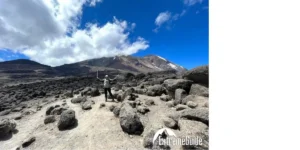
Despite its reputation as an accessible summit, Kilimanjaro is high enough that thoughtful preparation still plays an important role. Descriptions from guiding companies emphasise the value of basic endurance training, multi-day programs of at least six to eight days and a consistent walking rhythm, especially on the long summit night from the high camp to Uhuru Peak. At the same time, the routes are non-technical, which makes the mountain attractive to fit first-time high-altitude hikers who want to experience a five-thousand-metre environment without learning rope techniques.
When examined as a holiday rather than only an ascent, a Kilimanjaro trip often includes several appealing elements:
- Choice among multiple routes with diverse scenery, from rainforest and heather moorland to volcanic ridges and high plateaus.
- Non-technical trekking on marked trails, suitable for newcomers with good basic fitness.
- Possibility of combining the climb with wildlife safaris and time on Zanzibar’s coastline in a single itinerary.
- Year-round climbing possibilities, with particularly attractive conditions during the main dry seasons.
- Local and international guiding teams working within a well-regulated national park framework.
Taken together, these factors make Kilimanjaro a versatile mountain holiday option, capable of fitting into a one- to two-week vacation while still offering the sense of a genuine expedition and the satisfaction of standing on the roof of Africa.
Aconcagua (Argentina)
Aconcagua, at 6,962 metres, dominates the central Andes on the border between Argentina and Chile and holds several distinctions: it is the highest summit in South America, the tallest peak in the Western and Southern Hemispheres, and the highest mountain outside Asia. Its name is thought to derive from Indigenous languages such as Quechua or Aymara, with interpretations ranging from “Stone Guardian” to “White Stream”, reflecting both its imposing presence and its glaciated flanks. For many climbers following the “Seven Summits” concept, Aconcagua forms a key chapter between lower high-altitude objectives and future Himalayan ambitions.
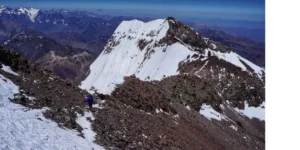
Guided holidays on Aconcagua typically centre on the Normal Route via the Northwest Ridge, combining non-technical climbing with multi-day acclimatisation and the logistical flavour of a large expedition. Programs begin in the wine city of Mendoza before heading west through the Andes to trailheads near Penitentes, where the high mountains first come into full view. From there, mule-supported approaches lead through arid valleys and up moraines to the famed Plaza de Mulas base camp at roughly 4,350 metres.
The ascent develops through a careful sequence of camps with “climb high, sleep low” rotations. Typical itineraries include Confluencia for the initial acclimatisation, a day walk to Plaza Francia beneath the dramatic South Face, then progression to Plaza de Mulas. Above base camp, climbers usually move to intermediate camps such as Canada and Nido de Cóndores before reaching high camps like Berlin or Cólera, where they rest and prepare for a summit push along the upper Northwest Ridge.
Summit day on Aconcagua is often described in stages that reflect changes in terrain and atmosphere. From high camp, the route winds upward on scree and rock toward landmarks such as Piedras Blancas, the “Cueva” (or Grotto) and the Canaleta, a broad gully leading to the final crest. The reward is an expansive view over the Andean cordillera, with glaciers, ridges and distant valleys unfolding in every direction, and a clear sense of being on the highest point of an entire continent.
Organised expeditions outline a range of supportive elements that shape Aconcagua as a mountain holiday. These include professional guides working with small groups, mule transport for heavy loads to base camp, porters for group equipment higher on the mountain, comfortable base‑camp infrastructure with hot meals and showers, and planned reserve days to adjust for weather windows. The approach via Mendoza also allows time to explore local culture, regional cuisine and the surrounding wine country before or after the climb.
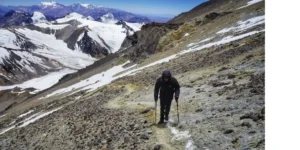
A concise view of what distinguishes an Aconcagua climbing holiday may be expressed as:
- Non-technical but high-altitude ascent to nearly 7,000 metres, well suited to experienced trekkers with previous 5,000‑metre experience.
- Use of Confluencia, Plaza Francia and Plaza de Mulas for progressive acclimatisation and varied perspectives of the mountain.
- Support from mules and porters, allowing climbers to carry lighter packs and conserve energy for summit day.
- Developed base-camp facilities, including catering and social spaces that contribute to the atmosphere of an international mountaineering hub.
- Convenient access via Mendoza, combining high mountains with time in a renowned wine-making region.
In this way, Aconcagua links the raw landscapes of the Andes with the comfort and character of Argentine hospitality, creating a mountain climbing holiday that feels both adventurous and well-structured. For many, it becomes a memorable step in a broader progression of high-altitude journeys across several continents, complementing experiences on Himalayan giants and African volcanoes alike.
Image credits, dreamstime and with permission from Extreme Guide