
Exploring the Technology Behind AI Voice Generators and How They Work
In this article, we will see the technology behind AI voice generator and how they are changing the way we use synthetic voices.
What is an AI Voice Generator?
An AI voice generator is a software tool powered by artificial intelligence that creates realistic human-like speech from text. This system uses advanced algorithms to convert written text into spoken words, mimicking the way humans speak. The goal is to produce voices that sound as natural and engaging as possible. In recent years, AI voice generators have become increasingly popular because of their ability to create voices that are almost indistinguishable from real human voices.
These AI tools are based on text to speech AI technology, which allows users to convert any written text into a voice. The technology behind an AI voice generator works by using machine learning models, like deep learning and neural networks, to produce high-quality, natural-sounding speech. This is why many industries, including video production, podcasting, and even customer service, have started using AI voice generators to improve their workflows.
The Core Technology Behind AI Voice Generators
Text-to-Speech (TTS) Models
The core technology behind AI voice generators is a type of artificial intelligence known as text-to-speech (TTS). TTS is a process that converts written text into speech. This system uses machine learning models to understand how words should be pronounced and how the voice should sound. For example, these systems not only read the text but also add emotion, pitch, and rhythm, making the speech sound more human-like.
Neural Networks
One important aspect of AI voice generation is the use of neural networks. These are computational models designed to mimic the way the human brain processes information. In the case of AI voice generators, neural networks learn from large datasets of voice recordings to predict and generate accurate sounds. The most advanced AI voice models use deep learning, which allows them to improve over time as they are exposed to more data.
In simple terms, an AI voice generator works by taking written words and converting them into speech that sounds like a real human voice. This process involves training the system with thousands of hours of audio data so that it can accurately replicate human speech patterns.
How Do AI Voice Generators Create Realistic Speech?
The ability of AI voice generators to create realistic speech is one of the most impressive features of this technology. But how do these systems manage to sound so human-like? The secret lies in how the AI mimics the nuances of human speech, including tone, pitch, and pacing.
Naturalness and Expressiveness
For instance, when generating speech, AI voice generators must ensure that the voice sounds natural. They do this by adjusting the pitch (how high or low the voice sounds) and the pace (how fast or slow the words are spoken). This helps make speech sound more dynamic and less robotic.
Voice Customization
Another important factor is the ability to create expressive voices. Most AI voice generators allow users to choose different voice styles, such as a formal tone, a cheerful tone, or a casual one. This level of customization is what makes AI-generated voices sound more lifelike.
In addition to speech synthesis, many AI voice generators work together with other tools, like AI video upscalers, to improve the quality of both the audio and video in projects. For example, when you use an AI voice generator to add voiceover to a video, you can also use an AI video upscaler to enhance the video’s resolution, making the entire experience more engaging and professional.
Practical Uses of AI Voice Generators
AI voice generators have found a wide range of applications across various industries. Content creators, for example, use these tools to produce voiceovers for videos without the need for a human voice actor. This not only saves time but also reduces production costs. Podcasters and YouTubers, in particular, can benefit from AI-generated voices because it allows them to create professional-sounding content without needing to record every word.
Customer Service
In the customer service industry, AI-generated voices are used in virtual assistants, chatbots, and automated phone systems. These systems can help businesses handle customer inquiries 24/7 without the need for human agents. This use of AI voice generation is a great way to improve efficiency and customer satisfaction.
Entertainment and Accessibility
AI voice generators are also beneficial in the entertainment industry. For example, AI-generated voices are used in video games, animations, and audiobooks to provide dynamic and realistic characters. These tools allow creators to produce engaging content without having to hire multiple voice actors.
Using CapCut’s AI Voice Generator
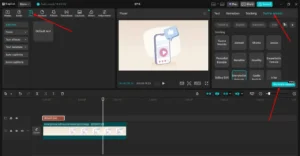
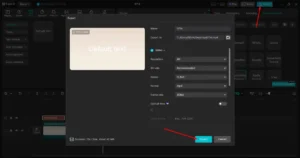
CapCut is a popular video editing software that includes an AI voice generator feature. This tool allows users to easily add realistic voiceovers to their videos without needing a professional voice actor. Here’s how you can use CapCut’s AI voice generator in just three simple steps:
1 Import Video:
First, you need to import your video into CapCut’s desktop version. This is where you will add the AI-generated voice.

2 Use AI Voice Generator:
3 Export Video:
Conclusion