Road-Tripping Through the Cotswolds with Extra Comfort in Mind
When mobility is part of the equation, the planning goes a layer deeper. Not impossibly deeper. Just differently.
The Cotswolds handle accessible travel better than many rural destinations in England. Not perfectly. But genuinely well, in ways that are worth knowing before you go, because the difference between a frustrating trip and an easy one often comes down to preparation made at home rather than improvisation at the destination.
The vehicle is where that preparation starts. Everything after that depends on the vehicle: the villages you can reach, the car parks you can use, and how easy each stop feels.
Why the Cotswolds Suits Accessible Road-Tripping
The terrain helps more than you might expect. Around Lower Slaughter and Chipping Campden, the valley areas feel easier under the wheels than steeper rural places like the Peak District or the Lake District. Not flat everywhere. But manageable in the places where it counts: village squares, car parks, café entrances, short walks between stops.
Blue Badge parking exists in the main villages too. Bourton-on-the-Water, Stow-on-the-Wold, Broadway. The wider bays are usually closer to the places people come to see, which matters when traffic is behind you and nobody wants to rush a transfer. The signage is generally clear. You still need to look. But you are not starting from nothing.
Some of the bigger visitor sites have made access feel less like an afterthought. Hidcote Manor and Snowshill Manor both offer level pathways and accessible facilities, so the day does not have to revolve around what might go wrong. Euan’s Guide is also worth checking before each stop, especially for cafés, gardens, and smaller attractions where access can vary from one doorway to the next.
Vehicle Considerations for Cotswolds Touring
Narrow car parks cause the most trouble in Cotswolds villages. Historic village layouts were not designed around modern vehicles, and the car parks reflect that. Rear-entry conversions tend to work better in tight spaces than side-entry designs because they require less lateral clearance to deploy a ramp safely.
In-floor ramp systems lower the boarding angle on sloped surfaces, which matters more than it sounds. Older village car parks are frequently uneven. A shallower ramp angle on a sloped surface is the difference between a smooth exit and a difficult one.
Fuel is worth thinking about before you set off. A typical Cotswolds circular takes 80 to 100 miles. Wheelchair accessible vehicles carry more weight than standard models, which affects consumption. Planning fuel stops into the route rather than finding them by necessity keeps the day running smoothly.
Drivers choosing or upgrading before a trip like this need wheelchair accessible vehicles for sale that match the real demands of rural touring. Rear-entry or side-entry access, ramp angle, internal height. Those choices affect every stop, not only the motorway sections.
Rental Versus Ownership for Occasional Trips
Short-term rental through a specialist UK provider works well for one or two trips a year. Weekend costs vary, but the flexibility of not owning makes sense when accessible travel is occasional rather than regular.
Motability lease holders can use their vehicle for unlimited UK travel within scheme terms. Maintenance and insurance are covered, which takes one big worry out of the trip. For anyone travelling often, or needing reliable access year-round, it keeps things predictable.
Private ownership of a used adapted vehicle becomes cost-effective from around three or four trips a year. The upfront cost is lower than new, and the vehicle is available whenever it is needed without a booking window. Maintenance, insurance, and breakdown cover need to be budgeted for separately.
Planning Accessible Stops and Accommodation
AccessibleGO and the Tourism for All UK database are the two most useful starting points for accommodation searches. Both focus on confirmed level entrances and wet room facilities rather than vague claims about access. Booking early matters, especially in school holidays when accessible rooms fill faster than standard ones.
Rest stops should be built into the route rather than fitted around them. Every 45 to 60 minutes keeps everyone comfortable. National Trust car parks at Chastleton House and Chedworth Roman Villa both have accessible toilets. Arriving outside the 11am to 3pm weekend peak makes parking considerably easier.
Broadway Tower has accessible viewing platforms. Bourton Model Village requires minimal walking. These are not compromises on the itinerary. They are genuinely good stops that happen to work well for wheelchair users.
Dining and Refreshment Accessibility
The Cotswold Food Store in Stow-on-the-Wold has level access and wide aisles. Local produce, ready-made meals, everything you need for a self-catering evening without navigating a restaurant. Worth knowing it exists.
Daylesford Organic Farm café has accessible facilities, outdoor seating, and firm pathways throughout. It is popular. Arriving outside the main lunch window, before noon or after two, makes the difference between finding a good table and waiting for one. Pre-booking accessible tables at popular venues in summer is not overcautious. It is the move that saves the afternoon.
Safety and Breakdown Considerations
Breakdown cover that includes specialist recovery for adapted vehicles is not the standard offering. It requires a specific check before departure. RAC and AA both provide adapted vehicle recovery in the Cotswolds area. The call worth making before the trip is a direct one to your provider, asking specifically about their accessible recovery process. Not assuming. Asking.
Mobile coverage drops between Winchcombe and Guiting Power. Downloading the area on OS Maps or Google Maps before leaving home takes three minutes and removes that problem entirely. Ordnance Survey Explorer OL45 covers the North Cotswolds in paper form for anyone who prefers a backup that does not require a signal.
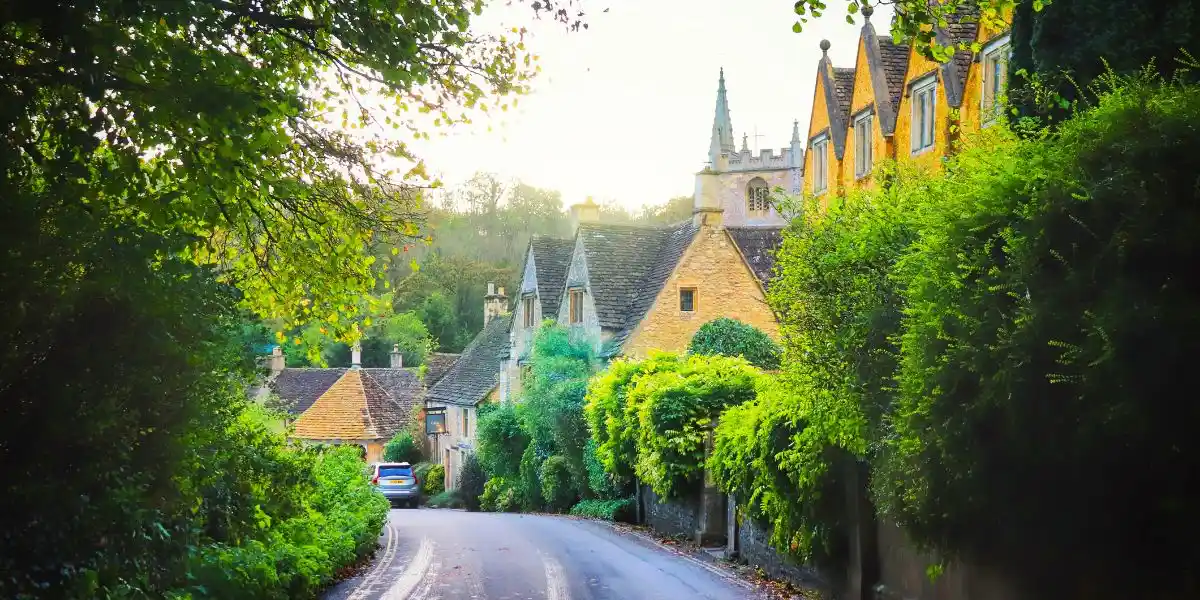
Cotswold lanes are narrow. Passing places require patience and a reasonable sense of spatial awareness. This is not a warning. It is just how driving there feels at first. Once you have done one or two, the rhythm becomes natural.
Going Back Is the Real Test
The first accessible road trip anywhere involves more planning than it should. That is the reality of navigating somewhere new with mobility equipment and no prior knowledge of how the infrastructure behaves. The Cotswolds reward the preparation. The second trip is easier. The third one feels routine.
The right vehicle makes most of that difference. Not the most expensive one. The one that works with the actual terrain, the actual car parks, and the ramp angles you meet in older village layouts. Once that part is right, much of the friction disappears.
The villages are still beautiful. The lanes are still narrow. The weather will do whatever it wants. Everything else is manageable.
image credit – dreamstime