Why I’m Taking an eSIM on My Next Trip Abroad
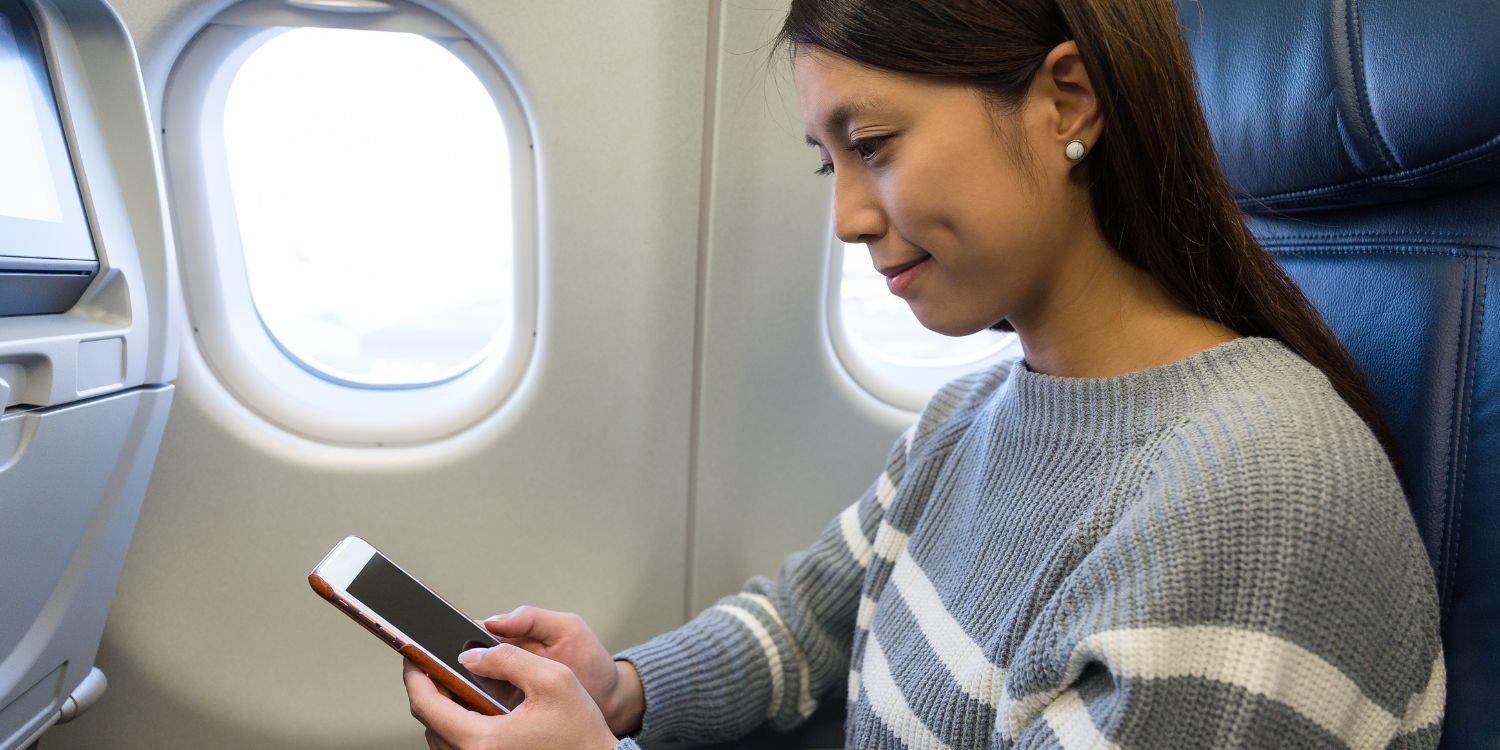
I can be fairly relaxed about packing, and I’ve definitely arrived at the airport wondering whether I remembered everything. But landing somewhere unfamiliar and discovering I have no mobile data is a different matter.
I use my phone for pretty much everything when I travel. Google Maps, WhatsApp, restaurant bookings, boarding passes, train times and finding the hotel when I’ve taken the wrong exit from the station. It’s not exactly glamorous, but losing access to all of that would be a serious nuisance.
That’s why I’ve started paying more attention to travel eSIMs.
What is an eSIM?
An eSIM is a digital SIM built into your phone, so there’s no physical card to remove or replace. If your handset supports eSIMs, you can buy a mobile data plan for the country you’re visiting and install it before you travel.
I like the idea of sorting it out at home. I’d much rather sit on the sofa with a cup of tea and five minutes to spare than stand in an airport arrivals hall trying to work out which SIM package I need after a long flight.
There are several travel eSIM providers to look at, including eSIM Plus. Plans vary by destination, data allowance and length, so I’d check those details before buying rather than simply choosing the first one that appears in a search.
It’s also worth checking whether the plan covers one country or several. That could make a difference if you’re planning a European road trip rather than spending a week in one place.
Do I need an eSIM if my phone already has roaming?
Not necessarily.
Some UK mobile contracts include roaming in certain destinations, so I’d always check what my existing provider offers first. There’s little point paying for an additional eSIM if my current plan already gives me everything I need.
The rules vary between networks and contracts, too. The UK government recommends checking your mobile operator’s roaming policy before travelling, particularly if you’re heading to Europe.
I’d do that before every trip rather than relying on what happened last time.
If roaming is expensive at my destination, a travel eSIM gives me another option. I can buy a set amount of data and know roughly what I’m spending before I leave.
Can I keep my normal UK number?
Usually, yes.
Many newer phones support dual SIMs, so you can keep your normal UK SIM in the phone while using an eSIM for mobile data abroad.
That’s useful because I don’t want to change my number every time I go on holiday. My family and friends already know it, and I use it for all sorts of accounts and messages.
For more holiday advice and inspiration see our Travel Planning section
I’d still check the settings before leaving home. Your travel eSIM needs to be selected for mobile data when you arrive. Otherwise, your phone could carry on using your UK SIM for data and potentially charge you for roaming.
I’d also set everything up while I’m still connected to Wi-Fi. Trying to install an eSIM after landing, when the airport Wi-Fi is slow and you’re desperate to order a taxi, sounds like unnecessary hassle.
How much data do I actually need?
Probably less than you think.
When I’m travelling, I mainly use data for Maps, WhatsApp, checking bookings, looking up opening times and finding somewhere decent for dinner. I’m not spending hours streaming films over mobile data.
For a short city break, a smaller data allowance may be enough. A longer road trip could be different, especially if you’re using navigation throughout the day.
I’d think about how I actually use my phone rather than automatically buying the biggest package available.
Hotel and café Wi-Fi can cover some of your usage, but I wouldn’t want to rely on it completely. Having mobile data while walking around a new city is one of those things you barely notice until you don’t have it.
Can I use WhatsApp with an eSIM?
Yes, and this is one of the reasons I think a travel eSIM makes sense for many people.
WhatsApp uses an internet connection, so you can continue messaging and making calls over your travel eSIM’s mobile data. You don’t suddenly need to give everyone a new number because you’ve gone on holiday.
Your WhatsApp account stays linked to your existing number.
The same applies to other internet-based messaging and calling services. So if you mainly use WhatsApp to keep in touch with family while travelling, a data-only eSIM may be all you need.
That’s worth checking before paying extra for traditional calls and texts you might never use.
What about a virtual phone number?
A virtual phone number is a different thing, although the two are sometimes mentioned together.
An eSIM gives your phone access to mobile data through a network. A virtual number is a phone number provided digitally, usually through an app or online service, depending on the provider.
For some travellers, that could be useful if they need a separate number for work, want to keep business and personal calls apart, or need a local number while abroad.
I wouldn’t confuse the two, though.
If my main concern is getting online so I can use Maps, WhatsApp and travel apps, I’d look at an eSIM. A virtual number is more about having another phone number.
What should I check before buying one?
I’d run through a few things before paying for any travel eSIM.
Check your phone.
Make sure the exact model supports eSIM and isn’t locked to your current network.
Check the destination.
A plan for Spain won’t necessarily cover every country you’re visiting. If you’re travelling across borders, look for a plan that covers the whole trip.
Check the expiry period.
Some plans last for a set number of days from activation. I wouldn’t install one week before travelling without checking when the clock starts.
Check whether it’s data-only.
For many travellers, that won’t be a problem, but it’s better to know before you go.
Finally, check your usual provider’s roaming settings. The GOV.UK foreign travel checklist is also worth a look before heading abroad. It covers practical things such as travel documents, insurance and preparing for your trip.
Would I use an eSIM on holiday?
I think I would, particularly for trips where roaming is expensive or I’m visiting several countries.
It isn’t something every traveller needs. If your mobile plan already gives you good roaming abroad, I’d probably stick with what I have.
But if I’m heading somewhere outside my usual roaming allowance, I’d rather spend a little time sorting out a travel eSIM before I leave than worry about the cost of using my phone once I land.
After a long flight, I want to find my hotel, order a taxi and message home. I don’t want my first job in a new country to be hunting around for airport Wi-Fi.
For me, that makes an eSIM one of those small travel preparations that’s worth doing before I leave home.
By Laura Bennett
Image credit – dreamstime.com