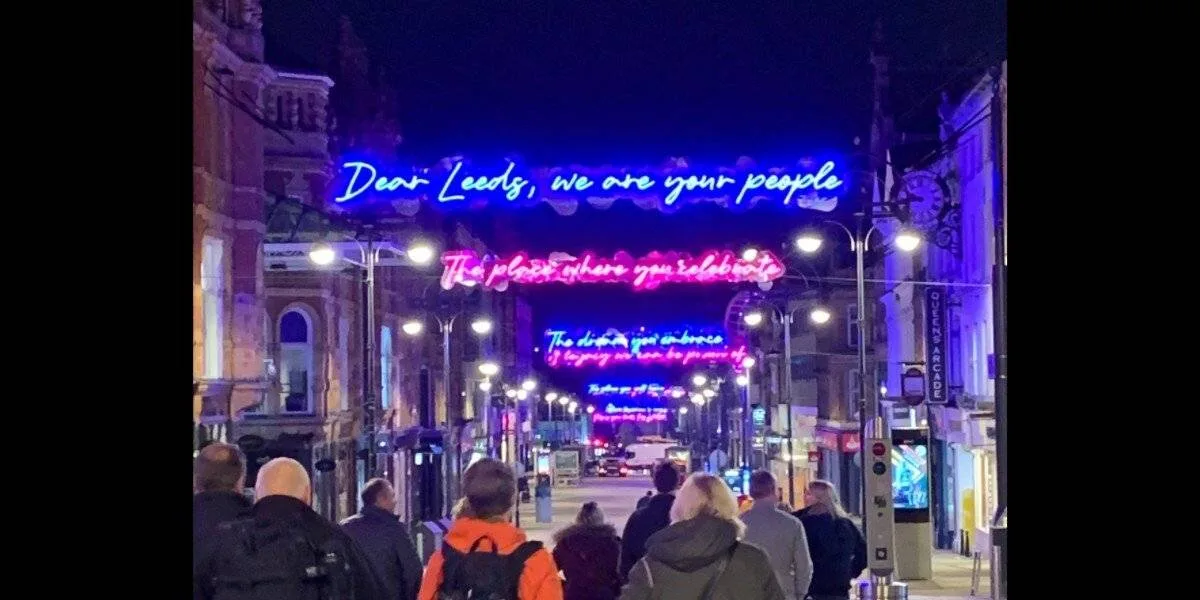
Entertainment Culture in the Philippines Beyond Resorts and Beaches
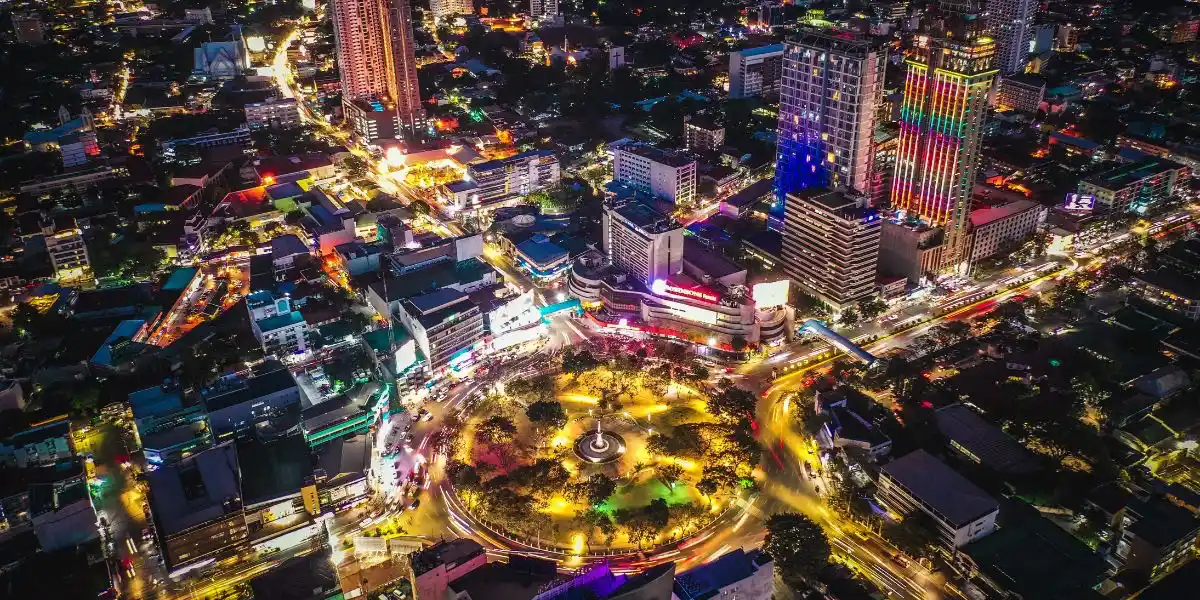
The real pulse is in malls, food courts, karaoke rooms, basketball courts, esports cafés, night markets, live music bars, streaming feeds, and mobile screens. A visitor who only stays inside a beach property sees scenery, not the social rhythm.
Exploring Entertainment Culture in the Philippines Beyond Tourist Resorts
That rhythm is urban, local, and heavily digital. DataReportal’s 2026 Philippines report listed 95.8 million active social media user identities in October 2025 and a median mobile internet download speed of 59.64 Mbps at the end of 2025, which helps explain why entertainment now moves easily between physical venues and phones.
The Resort Image Is Too Narrow
Resorts remain part of the country’s tourism story, but they are not the whole story. Entertainment in the Philippines often begins after work, after traffic, after dinner, or after a long mall walk. It is less polished than a resort stage show and usually more revealing.
Karaoke still matters because it is social rather than passive. A group does not simply watch a singer; it becomes the show. That same participatory instinct appears in basketball watch parties, mobile game squads, street food nights, and fan communities built around pop acts, volleyball teams, and esports tournaments.
The culture is not built around silence. It is built around shared reaction.
Malls Work Like Social Arenas
In many cities, malls function as cooling spaces, dining halls, cinemas, concert venues, gaming areas, and meeting points. They are not only retail boxes. They are weatherproof public squares with air conditioning and Wi-Fi.
This changes entertainment behavior. A person can watch a film, eat with friends, buy mobile data, attend a brand event, and check a live match without leaving the building. That layered habit helps explain why digital leisure blends so easily with offline routines.
A resort separates leisure from daily life. A Philippine mall often folds leisure straight into it.
Food Streets Carry the Night
Food is entertainment here, not just a meal. Night markets, grilled seafood stalls, milk tea counters, coffee shops, dessert cafés, and late fried chicken runs all carry a social function. People stay because the table gives them a reason to talk.
The strongest food areas are not always luxurious. They win on repetition, affordability, and familiarity. A good evening may mean sisig, barbecue, halo-halo, a phone on the table, and a basketball game playing somewhere in the background.
That is culture without a stage.
Digital Leisure Has Joined the Same Routine
The phone is now inside almost every entertainment format. People book rides, split bills, watch reels, follow scores, message friends, and move between games during the same evening. This is why casino-style leisure has become part of the wider digital conversation, even when the main plan is food, music, or sport.
A platform section built around online casino Philippines fits that short-session behavior by presenting slots, table games, visible rules, RTP details where available, and account verification in a clear interface. The useful part is not theatrical promotion, but the ability to understand game mechanics before play starts. RNG outcomes and house edge should remain clear to the user. Good entertainment works best when the session stays proportionate to the night.
Esports Is Not a Side Note
Gaming culture in the Philippines is not limited to bedrooms. It lives in cafés, tournaments, creator streams, Discord groups, livestream chats, and mobile-first communities. Multiplayer titles became social infrastructure because they allow people to compete and talk simultaneously.
Newzoo’s 2025 global report estimated the games market at $188.8 billion, with 3.6 billion players worldwide, and forecasted growth through 2028. That global scale explains why local entertainment culture increasingly treats esports as normal rather than a niche.
The audience understands teams, patches, metas, maps, rotations, and mechanical skill. That vocabulary gives esports a seriousness that older entertainment categories sometimes fail to recognize.
Betting Around Esports Follows Data Culture
Esports spectators often watch differently from traditional sports fans. They read draft choices, map pools, patch changes, role comfort, team economy, and recent form. The action moves fast, but the analysis starts before the match loads.
An esports betting site belongs in that ecosystem when markets are organized around real competitive details rather than vague fan loyalty. Match winner, map handicap, totals, and live markets can make sense only when the viewer understands the title and its rhythm. Bankroll control matters because momentum in esports can flip quickly after one failed fight or objective call. Betting should remain a fan-interest layer, not a claim of certainty.
Music and Live Events Keep the Crowd Physical
Digital entertainment did not kill live events. It made them louder before they happen. Concert clips, fan edits, rehearsal rumours, venue maps, and ticket screenshots build the event before doors open.
The Philippine Statistics Authority reported that the creative economy reached PhP 2.12 trillion in 2025, accounting for 7.6 percent of GDP, with creative industries spanning audiovisual media, digital interactive goods, music, arts, entertainment, and traditional cultural expression. That helps explain why culture should not be reduced to beaches and hotels.
Entertainment is an economic structure as much as a weekend habit.
Demo Games Fit Travel Gaps and Waiting Time
The country’s entertainment style includes a lot of waiting: traffic, queues, ferry schedules, delayed meetups, late friends, slow service, and long rides between neighborhoods. Phones fill that dead space. People do not need a full game or a full episode every time; sometimes they want a quick check, a short round, or a low-commitment screen.
A Super Ace demo session fits that downtime because demo mode lets users read the slot’s pace, symbols, and feature rhythm without framing the activity around staking. It is useful as a casual preview of mechanics, not a prediction tool. RNG logic means previous rounds do not create reliable signals for later rounds. The format belongs to mobile leisure in the same way short videos and quick puzzle games do: brief, portable, easy to stop.
The Better Trip Leaves the Resort
A stronger entertainment itinerary should include at least one food district, one local live event, one mall evening, one sports night, and one digital culture stop. That could mean an esports café, a volleyball crowd, a creator event, or a neighborhood bar with live music. The point is not to reject beaches. The point is to stop treating them as the country’s whole personality.
The Philippines becomes more interesting when leisure looks ordinary. A crowded table, a phone passed around for a clip, a game on TV, a song everyone knows, and one more stop before going home.