
How Virtual Reality Is Changing the Way We Play
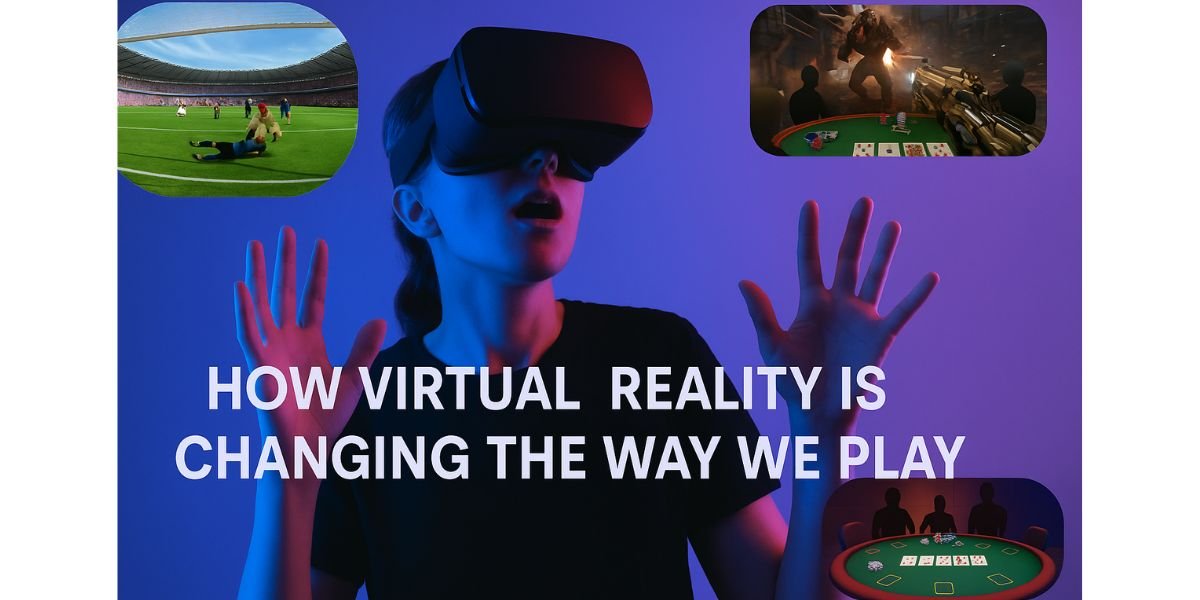
On the 1xBet IE homepage with sports betting and online casino, VR is already part of the offer, letting fans dive deeper into odds, matches, and interactive rooms. For players, it is a new thrill. For the industry, it is a new source of money and jobs.
Virtual reality goes mainstream
Not long ago, VR was a toy for tech fans. The headsets were heavy, the games were few, and the price was out of reach. Today it is very different. Slim headsets, simple setups, and better content made it mainstream. A person can slip on glasses and suddenly sit in a virtual stadium, play cards at a digital table, or walk around a 3D casino floor.
Sports clubs and broadcasters see the potential. Many already run virtual tours, giving fans a chance to “walk” the stadium even if they live thousands of miles away. It’s clever marketing, but it also creates an emotional connection that pays off.
Money, advertising, and new income
Virtual reality is not just fun — it’s business. Platforms noticed that when play feels real, users stay longer. Longer sessions mean more engagement and stronger loyalty. That directly translates into higher revenue.
Advertisers also caught on. Digital billboards, 3D logos, and brand placements feel more natural in VR because players notice them as part of the scene. A study from PwC projects VR could add over $1.5 trillion to the global economy by 2030. Entertainment and sports will carry a major share of that pie.
Sports and fans: almost there
Football, basketball, and other sports adopted VR quickly. Clubs now sell packages where you don’t buy a stadium seat — you buy a virtual one. From your living room, you can see the pitch, hear the crowd, and follow the game almost like you’re inside.
Coaches benefit too. VR lets them replay training moments and guide athletes through decisions in a safe, controlled setting. Players practice moves and strategies without stepping on the field.
For fans far away, this is a breakthrough. Watching a match from another continent suddenly feels intimate. That changes what “being a fan” means in 2025.
New jobs in the VR world
The VR boom is creating jobs that didn’t exist a decade ago. It’s not just coders and designers anymore. The chain is much bigger:
- Engineers build better headsets and sensors.
- Developers create new sports apps, casino games, and interactive worlds.
- Streamers, commentators, and content hosts bring the VR experience to mass audiences.
Stadiums, tickets, and revenue
Top clubs already test VR stadiums. The idea is simple: sell cheaper digital seats to a global audience. Ten thousand virtual fans pay less each, but the sum is more than adding a few hundred physical seats.
Analysts estimate that VR packages could raise matchday revenue by 15–20%. That’s not a distant prediction. Deals between clubs and VR tech firms are happening now.
| Industry | New Job Roles | Trend |
| Sports | VR coaches, digital ticket managers, analysts | Rising |
| Gaming | Developers, content streamers, testers | Growing |
| Casinos | 3D designers, immersive engineers | Rapid |

Beyond play: training and education
The same tech that powers VR games also trains pilots, surgeons, and factory workers. In sports, VR makes practice safer and cheaper. In education, it makes lessons more engaging.
That cross-use is important. It means the VR industry doesn’t rely only on entertainment. Jobs and investment spread across multiple fields. The more people train and learn this way, the stronger the case for VR everywhere.
Why VR keeps growing
- Devices are getting cheaper, so more households can buy them.
- Faster internet means smooth VR streaming, even for sports events.
- People want deeper, more social play, not just flat screens.
These drivers are not temporary. Together, they keep pushing the market forward. Investors know this, and money flows into VR projects at record levels.
The hurdles ahead
Virtual reality is not hype anymore. It is a working platform that creates revenue, builds jobs, and connects fans in new ways. From casino halls to stadium seats, from training fields to classrooms, it is here to stay.
The real game is no longer only on the pitch or at the card table. It also lives inside the headset, where play feels real, personal, and limitless.
Images supplied