
Everything You Need to Know About Currency Exchange for Travel
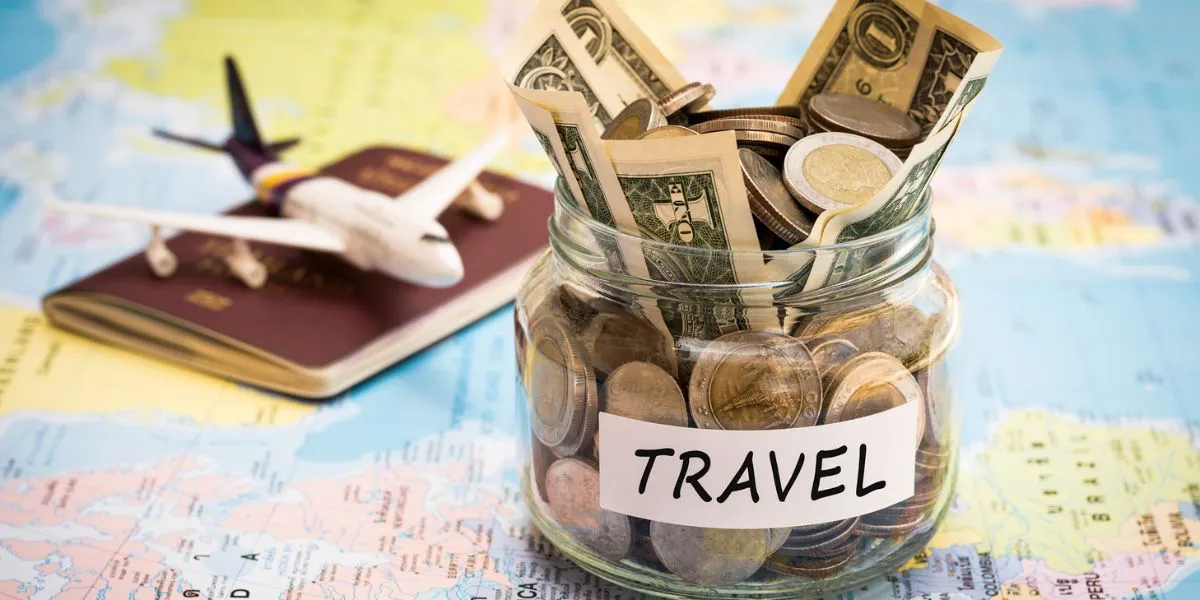
If you’re travelling outside of the UK, then the chances are good that you’ll be buying things using foreign currency. The longer you’re staying, and the further you’re travelling, the more cash you’ll tend to need.
As such, for long trips, even a small difference in the effective exchange rate can make a big difference to your overall costs. On top of this, there’s convenience to consider. So, how should this problem be approached?
Understanding Currency Exchange Rates
The rate of exchange will depend on a range of factors, all of which basically boil down to supply and demand. The more demand there is for a given currency, the more expensive it will tend to be. In the modern era, the value of a currency will depend on how much individual traders are willing to pay for it.
As such, it’s worth shopping around, as you’ll find that the rate differs from place to place. You might also seek the input of an independent financial adviser before you visit the travel money exchange.
Comparing Travel Money Providers
Don’t assume that all providers will be consistent when it comes to value. In many cases, there are hidden fees to consider. You might also be paying for convenience that’s packaged into the effective rate you pay. So, if you’re buying unannounced at an airport, you’ll probably be charged extra – since there’s no competition there to drive down the price.
Choosing the Right Payment Methods Abroad
How are you going to spend money when you’re abroad? It’s worth thinking about a travel debit card, which will help you to get around non-sterling transaction fees. Debit cards, unlike credit cards, don’t require a ‘hard’ credit check; as such, you can pick up a card without worrying about your rating being affected.
Another option is to simply buy a prepaid card with a fixed amount of the local currency installed onto it. Or, you could carry cash around with you – but be aware that doing so presents a little bit of a risk. Be aware of pickpockets, especially around major tourist sites and subway stations. If there’s a crowd, consider yourself vulnerable!
Finally, it’s worth noting that you might be given the option to pay for certain things using sterling. The price you pay here will tend to favour the vendor, so make sure that you pay using the local currency.
Timing Your Currency Exchange
Exchange rates are constantly fluctuating. If you buy during the weekend, then you might find that rates are less favourable. On the other hand, the differences are often marginal – and it’s very difficult to know what the future holds for a given currency.
In conclusion, understanding currency exchange for travel is essential for ensuring a smooth and cost-effective trip. By planning ahead, comparing exchange rates, and utilising the best methods for exchanging currency, travellers can avoid unnecessary fees and stress. Whether opting for local currency, using credit cards with no foreign transaction fees, or withdrawing cash from ATMs abroad, making informed decisions can maximise your budget and enhance your travel experience. Always keep in mind the importance of safety and being aware of the most current exchange rates to make the most out of your international journey.