‘There’s more to us than witches!’ – Celebrating Lancashire Day
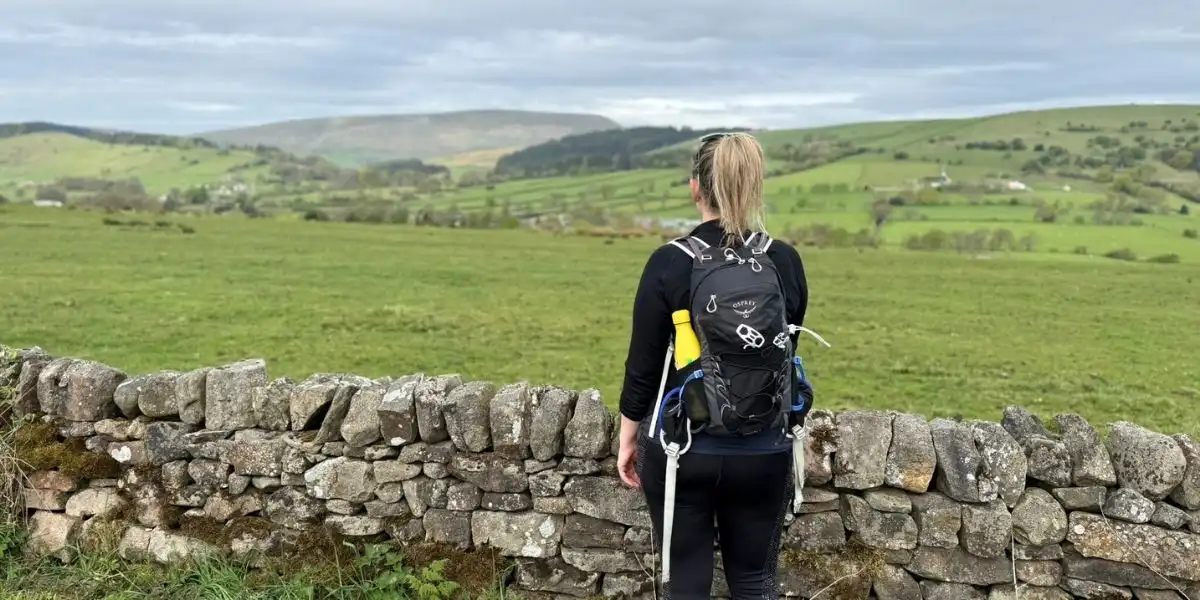
Because Lancashire is so much more than pointy hats, broomsticks and tales of witchcraft. It’s windswept coastline and cosmopolitan seaside towns; peaceful nature reserves and dramatic moorland; industrial heritage that shaped the modern world; and food traditions that could only have been born here. It’s a place of warmth, grit, humour and fierce pride.
So this Lancashire Day, Join Amy shining a light on the stories, landscapes, flavours and personalities that make this county unforgettable.
27th November – Celebrating Lancashire Day
It’s a mizzling day in August 2012, and I’m wearing a witches hat and cloak, trudging my way very slowly up the path to the summit of Pendle Hill in East Lancashire. Broomstick under arm, I’m joined by my partner, a friend and her young daughter…but this certainly isn’t our usual Saturday afternoon out.
We’re part of a group of just under 500 people making the pilgrimage to the top of Pendle Hill to commemorate the 400th anniversary of the Pendle Witch Trials and trying to set a new Guinness World Record at the same time. That’s just how we do things round here.
The Pendle Witch Trials were the biggest witch trials this side of Salem, and have seen visitors flock to this part of rural Lancashire in their droves since. But there’s so much more to this curious quarter of the North West than just witches.
Here’s what else you might find…
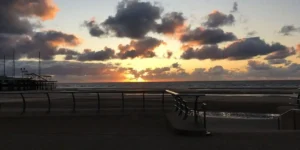
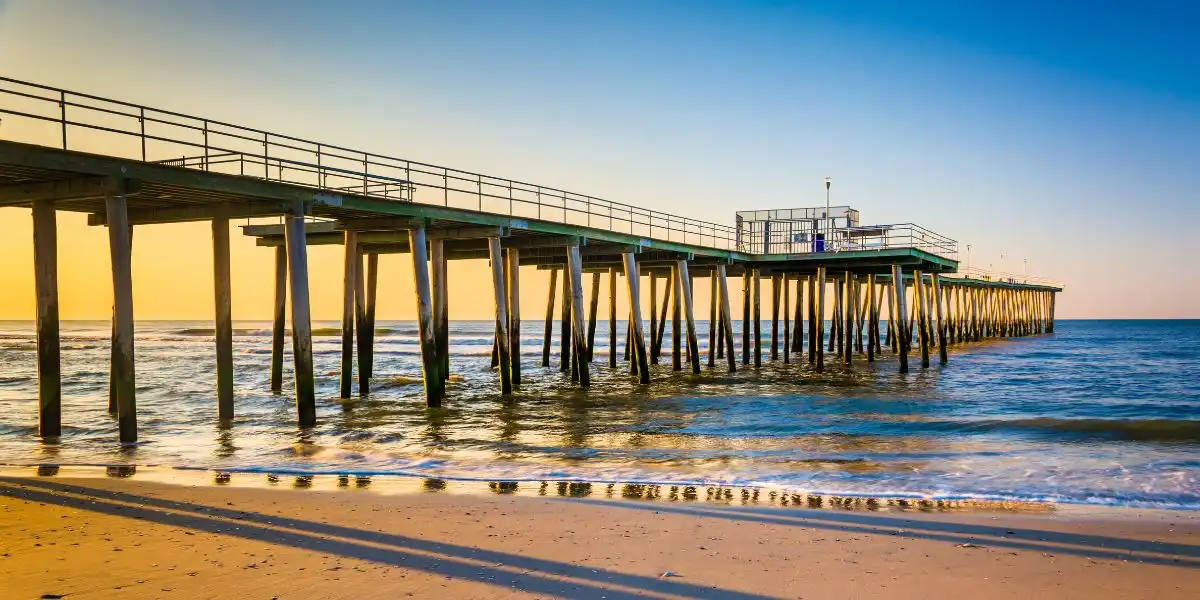
You’d be forgiven for thinking that the Lancashire coastline starts and ends with Blackpool. It is, after all, one of the most well known seaside towns in the country – if not the most. Celebrated and condemned in equal measure, Blackpool has a lot to draw you there. But set your sat nav slightly further south and head to the neighbouring town of Lytham St Anne’s, and you can experience traditional seaside fun, with a splash of the cosmopolitan. One of our favourite places to visit as a family; the prom connecting Lytham and St Anne’s is perfect for pram strolls, toddler toddles, and every age beyond. At one end of the town, the historic windmill meets Victorian charm at the Lowther Pavillion Theatre and Gardens, and provides a quiet spot to eat your chippy tea. After a pitstop at Fairhaven Lakes for a lap on a pedalo or a spot of tennis, head to St Anne’s for an ice cream and a spin of the pier arcade, or grab a drink and some live music at one of the many hotels that line the front.
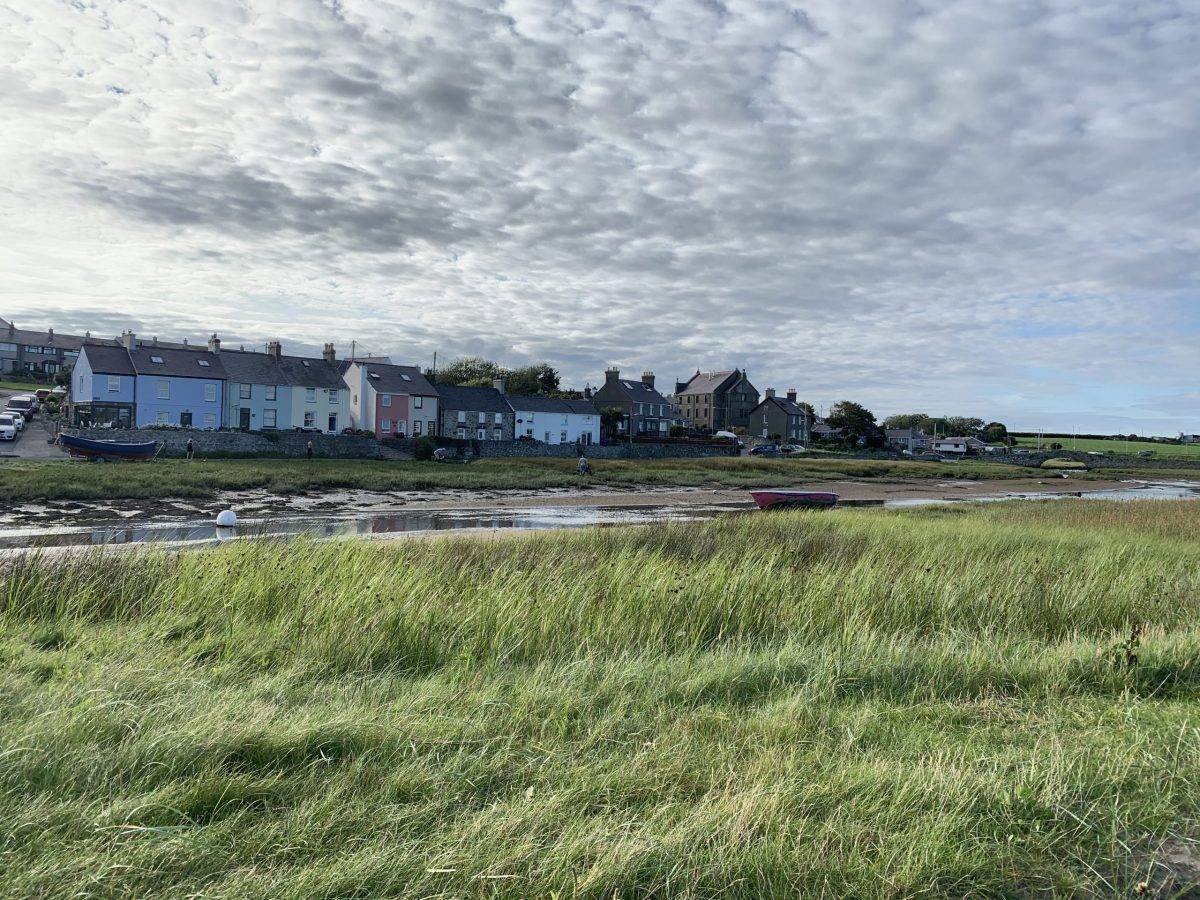
If that’s too lively for you, head North up the coast to where Lancashire meets Cumbria, and the AONB of Arnside and Silverdale will surely hit the spot. If finding peace amongst nature is your thing, climb Arnside Knott on a bright day. You’ll be afforded views out across the estuary to Morecambe Bay and Grange-over-Sands, and up to the Lake District if you’re lucky. This quiet stretch of coastline is peppered with sleepy Lancashire villages, traditional pubs and gentle scenery stretching up to its more rugged neighbours in the North. A nature lover’s paradise, this area is known for it’s wildlife – most notably a variety of coastal, woodland and wading birds. You’re only a hop, skip and a jump away from RSPB Leighton Moss here, a large wetland nature reserve where you see these birds in place they call home.
If you’re a girl about the city, Preston and Lancaster are both thriving university cities, but smaller and less over-facing than some of England’s major urban centres. Both have a more familial feel, and you can expect to find shopping, culture and history on a more compact scale. Enjoy the blend of urban/ rural but also the draw of proximity to some of Lancashire’s most breathtaking scenery in the Forest of Bowland to the east.
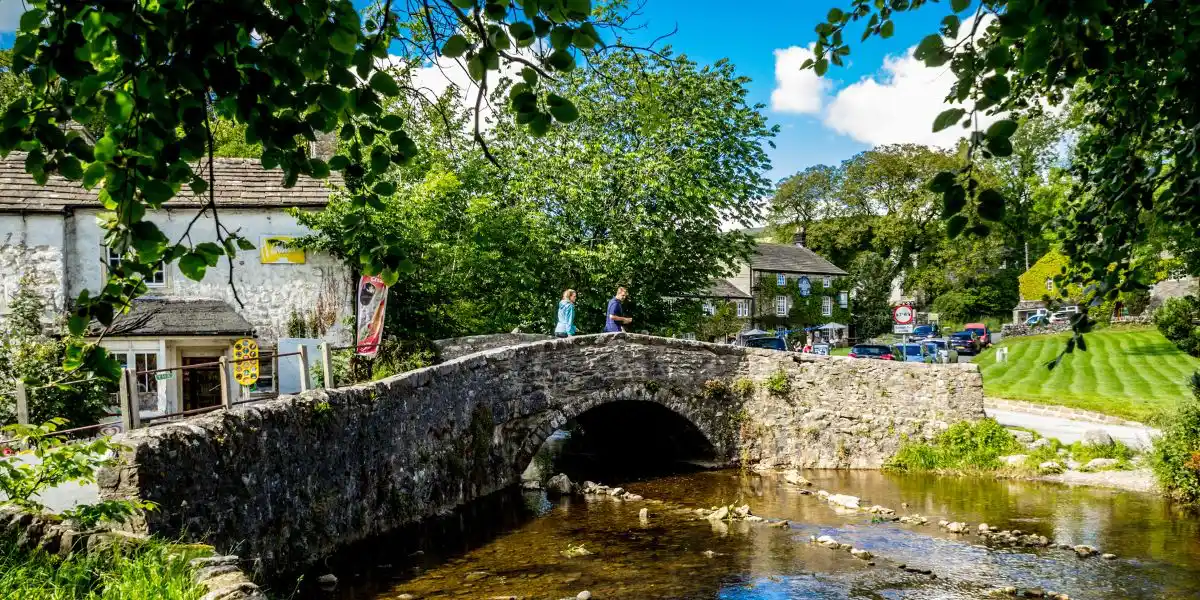
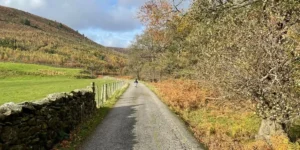
And if you prefer your walks without the masses nipping at your heels, this is the place to go. Covering over 300 square miles of remote Lancashire, the Forest of Bowland is a sparsely populated area of fells, moors and farmland. It’s home to some of the UK’s most scenic driving routes, and some quintessential British villages to refuel in on your day out. Thought to be Tolkein’s inspiration for Lord of the Rings, Bowland is home to some of Lancashire’s most captivating scenery – brooks winding through farmland, all set to a moorland fell backdrop. Come in Autumn and you’ll receive a burnt orange welcome, as the valleys and hills become aflame with the colours of the changing seasons.
Fine dining without the faff is also what this area is known for, with traditional pubs like the Inn at Whitewell and the Parkers Arms at Newton (to name but a few) offering up exquisite fayre and well-pulled local ales. Don’t let the casual look of Barbours and wellies fool you… these are some of the best culinary experiences the county has to offer.
So much history
If understanding the history of a place is what connects you on a visit, then Lancashire has it in abundance. Visit the towns of Burnley and the surrounding area, and be met with fragments of a proud Industrial heritage. East Lancashire is where the Industrial Revolution had it’s heyday, and in the early 1900s, Burnley was home to around 140 mills running nearly 100,000 power looms. Many of these mills remain, now repurposed for the modern day and converted into alternative industry, education and housing. Others, like Queen Street Mill, have been preserved and now welcome visitors eager to learn more about the roots of the area. Queen Street is home to the last surviving 19th Century steam powered weaving mill in the world, and as a result has been well used for location filming , most notably ‘The King’s Speech.’
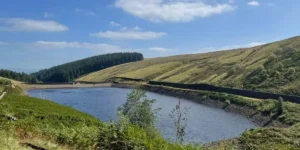
Leave Industrial Lancashire and head south to the borders of Greater Manchester, and you’ll hit the West Pennine Moors. Here you’ll find a series of tranquil reservoirs built to supply Liverpool, also home to an abundance of wildlife, which you can enjoy from the many designated walking and cycling trails.
Foodie heaven
A visit to Lancashire should never just be all about the scenery, because Lancastrians know how to eat. Traditional dishes designed to fill hungry mill workers cheaply after a day’s graft have had a resurgence; my Dad’s Lancashire hotpot is a sight to behold. Black pudding might not actually be from Lancashire but became so famous at Bury Market (formerly part of Lancashire), that many people think it is. You’ll still find people in Burnley buying hot slices and lacing them with vinegar and mustard, and eating them stood up in the market hall. Many other traditions such as black peas on Bonfire Night divide opinion depending on the region you’re from, but one thing everyone seems to agree on is a chippy tea on Friday. Originally rooted in religion, it now symbolises a treat at the end of the working week, and you often hear of people who regularly travel a few towns over to their chippy of choice (or is that just us?).
And I guess that says it all about our Lancastrian people…they know what they like. And if you want to get called love 4 or 5 times in every interaction, in a conversation filled with a blend of warmth, sarcasm and humour – you’ve come to right place. We’re determined and proud. We succeeded in setting the Guinness World Record that day for the most people dressed as witches in one place, 482 of us to be precise. The following year it was claimed from us by a town in Spain, but we didn’t sit back. The Pendleside Witch Festival was borne, and nearly 1,900 of us donned our hats and cloaks again to get our record back, because that’s just how we do things.
So by all means, come for our witches.
But, please, stay for everything else as well.
By Amy Blackburn