First Day in Paris: How to Plan Your Sightseeing Without Losing Time
The stakes are real: according to the regional tourism board, Paris and the Île-de-France region welcomed close to 50 million tourists in 2024, and the city expects visitor numbers to keep growing. That means busy pavements, popular sites under pressure and a premium on smart planning. Here is how to make that first day count.
Start with an overview of the city
Before diving into museums, it helps to understand how Paris fits together. The historic centre is compact, but the distances between the Eiffel Tower, the Louvre, Notre-Dame and Montmartre are larger than they look on a map. Walking everything in one day usually means seeing a lot of pavement and little else.
One practical approach is to begin with a guided loop of the main landmarks. A hop on hop off Paris bus tour lets you see the major sights from above street level, listen to commentary on the history of each district, and step off wherever you want to spend more time. It works particularly well on day one, when you are still getting your bearings and deciding which areas deserve a longer visit later in the week.
Pick two or three priorities, not ten
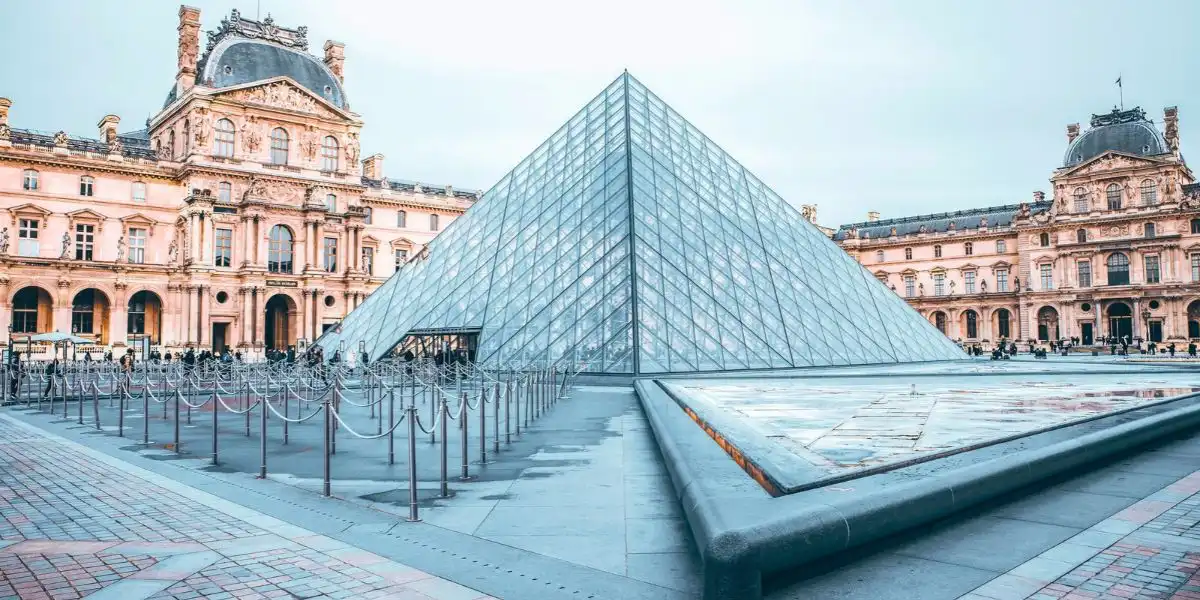
The most common first-day mistake is overloading the schedule. The Louvre alone holds tens of thousands of works on display, and even a focused visit takes two to three hours. Add a climb up the Eiffel Tower and a cruise on the Seine, and the day is already full.
A more realistic plan:
- Morning: one major museum or monument, booked in advance with a timed ticket.
- Midday: lunch in a nearby neighbourhood rather than right next to the landmark, where prices are higher and quality more uneven.
- Afternoon: a lighter activity, such as a walk through the Tuileries or Luxembourg Gardens, or a stop on the islands of the Seine.
- Evening: a viewpoint at sunset, for example Montmartre, the Trocadéro esplanade or a rooftop terrace.
For more ideas on pacing a short stay, see our guide to spending a weekend in Paris.
Time your visits around the crowds
Timing matters as much as itinerary. Most major sites are busiest between late morning and mid-afternoon, especially from April to September. Arriving at opening time, or visiting late in the day when some museums offer extended hours, can noticeably shorten waiting times.
The City of Paris regularly publishes information on tourism trends and visitor flows, which is a useful reminder that peak periods, from school holidays to large events, put pressure on the most popular spots. Checking opening days is also essential: many national museums close on Mondays or Tuesdays.
Leave room for the unplanned
Finally, keep some slack in the day. Part of what makes Paris memorable is what happens between the landmarks: a bakery discovered by chance, a covered passage near the Palais-Royal, a bookseller’s stall along the quays. A schedule that is too tight leaves no space for these moments.
A good first day in Paris is not about ticking off every famous name. It is about understanding the layout of the city, choosing a few highlights carefully and moving at a pace that leaves energy for the days ahead.
By D Mayville
Image credit, Pexels.com