
A Traveller’s Guide to Flight Delays, Missed Connections and Passenger Rights
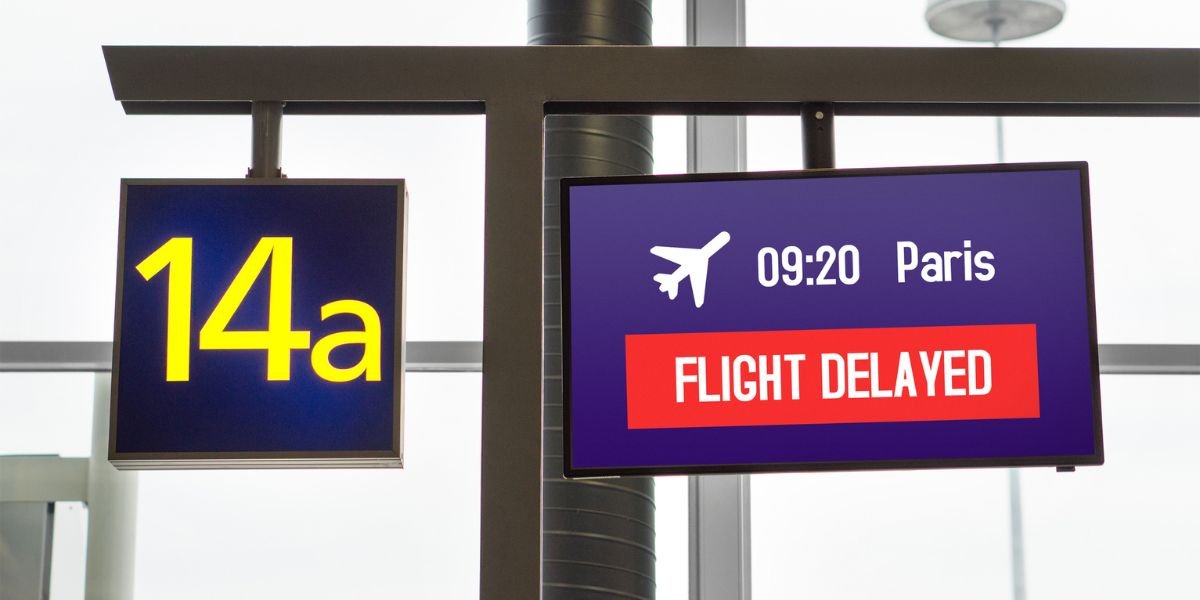
Sometimes flights are going to be delayed, but this doesn't mean it's going to ruin your trip. It can be easier to manage unexpected issues if you understand your passenger's rights and how to deal with a delay.
When planning a trip to another country, whether for a weekend getaway or a family vacation or multiple trips, it is helpful to know what to do if plans change.
In this guide, we will discuss what you should do in case of a flight delay, what to do if you miss a flight, when you might be entitled to compensation and how to prepare for unexpected travel issues.
Why Do Flights Get Delayed?
There can be a number of causes for a plane to be delayed. Sometimes it’s not a matter of the airline’s control, sometimes the reason lies with the operational issues.
One of the most typical examples is the weather. Heavy snow, fog, strong winds and thunderstorms can make for unsafe flights or could be a reason for canceling flights at a busy airport. Additionally, flight times may be determined by limitations in air traffic control, especially when multiple flights are seeking to utilize the same routes.
There can also be technical issues, late arrival of aircraft from a previous flight or crew availability delays. The reason is important because it can impact the compensation you are able to receive.
If the flight is late, get the latest news from the airline and find out what the problem was. Retain all written notifications you receive. A first announcement might not give you all of the details and the explanation may even get more clear as the disruption develops.
What to Do When Your Flight Is Delayed
When your flight is delayed, it can be frustrating, particularly if you have a connection to catch or a place to stay at the other end. Here are some suggestions to get you organised.
Check for Updates Before Changing Your Plans
Start at your airline’s website or app, and airport departure information. There may be multiple times that the length of a flight is altered during a disruption, so don’t take the initial estimate as the actual length of the flight.
When you have booked a transfer, hire car or activity at your destination, you need to ask if the booking can be changed. You might have more options available if you reach out to a provider early than when you get here.
Speak to the Airline
Inquire from the airline representative what is causing the delay, and when the flight is expected to depart and if there are any other options.
If you have a long period of time to wait, inquire if meals or refreshments will be offered or if there will be a place to stay overnight. Depending on the law of the passenger rights and the situation of your trip, you may be entitled to help.
If you travel with children, have accessibility needs or require medication that should be carried, staff should be made aware of the needs.
Keep Your Booking Details Handy
If you need to make a complaint later, you may find your booking confirmation / boarding pass and flight number useful. Record any correspondence relating to disruption and record your actual arrival time.
If an airline is unable to provide necessary meals, transport or accommodation, sign or retain receipts for all costs incurred for these essential items. It is not always the case that you will get your money back for any purchase, although reasonable expenses may be recovered in some instances.
Most importantly, don’t book a pricey replacement flight before consulting with the airline about the options. You might well have the right to rerouting or other support.
Understanding Your UK Passenger Rights
UK261, the UK version of the air passenger rules that are generally linked with EU Regulation 261/2004, may be applicable to UK passengers.
In general, these are applicable to all flights from the UK airports and all flights arriving in the UK on airlines from the UK and EU, as well as to some other qualifying routes. It is important to note that the exact conditions vary depending on your travel plans, so it’s not a rule that applies to all international flights.
In these rules passengers have rights to care and assistance, refunds, alternative flights and, in certain eligible cases, fixed financial compensation.
When Must an Airline Provide Assistance?
In the event of a late flight and needing to remain overnight, meals, refreshments, a communication device and airport to hotel and back will be provided.
The typical waiting times for care are:
- Flights less than 1500 kilometres: at least 1.5 hours.
- Trips of 1,500 – 3,500 kilometres: 3 hours minimum.
- Flights more than 3,500 kilometres: 4 hours and above.
The thresholds are related to the support they are receiving for the event, rather than to entitlement for compensation.
If the airline is unable to provide the care, ask about reasonable costs that they will cover before you arrange the care yourself (if possible). No spending/money lost without a receipt.
What If Your Delay Exceeds Five Hours?
If the flight is covered, a delay of 5 hours or more entitles you to cancel and ask for a refund for the unused flight/flights covered by the relevant rules. Depending on the situation, there may also be a return flight to your original departure point.
If you’re looking to still travel, inquire with the airline about rerouting options before making a decision. A refund and alternative flight are two separate decisions and one may not be the best one for you.
Flight Delay Compensation: How Much Could You Claim?
A frequent query which travellers ask is if they can get money when their flight is delayed.
UK261 may provide compensation when you arrive at your final destination over three hours late, provided the relevant conditions are met, and the delay is not due to the occurrence of qualifying extraordinary circumstances.
Typical remuneration levels depend on the distance of the flight and in some instances for long-haul flights the amount of delay on arrival.
| Flight distance | Potential compensation per passenger |
| Up to 1,500 kilometres | £220 |
| 1,500–3,500 kilometres | £350 |
| Over 3,500 kilometres, with an arrival delay of three to four hours | £260 |
| Over 3,500 kilometres, with an arrival delay of four hours or more | £520 |
These amounts apply to qualifying claims under the relevant rules. They are not guaranteed payments for every delayed flight.
For example, imagine you are travelling from the UK to a European city for a weekend break. Your flight arrives more than three hours late because of an issue for which the airline is responsible. If your journey meets the other requirements, you may be eligible for the applicable fixed compensation.
However, if severe weather or another qualifying extraordinary circumstance caused the disruption, fixed compensation may not be payable. Your separate right to care and assistance may still apply.
For a clearer understanding of eligibility and the claims process, AirHelp provides a useful resource explaining the factors that may affect a claim. You can read its guide to Flight delay compensation to learn more about your options.
What Counts as an Extraordinary Circumstance?
Not all delays are the airline’s fault. According to the rules that apply, an airline can waive fixed compensation if the disruption was due to ‘extraordinary circumstances’ and the applicable legal requirements are met.
This can include extreme weather, some air traffic control limitations and even some security-related incidents. Every situation needs to be evaluated on its own – that is, problems that are described as “operational” don’t necessarily qualify.
Technical issues also need to be taken into account. Simple technical issues don’t always mean an airline isn’t liable for compensation, and the reason for the issue may be important.
In case of rejection due to unusual situations, request the airline to provide justification for its decision. Continue to use it in its response, and compare this with the official guidance from the UK Civil Aviation Authority.
Missed Connections: What Are Your Options?
It may be very stressful to miss a connecting flight. You may not know the airport or have an overnight stay to make, or need to pick up your bags.
Depending on how you book the connecting flights, your options may vary.
If Both Flights Were on One Booking
Now, if you are on a trip from Manchester to Rome, passing through the other airport. Your initial flight is delayed and you miss the connecting flight.
If both flights are part of the same reservation then the airline is likely to help you get to the next flight when the disruption means that you miss the connection flight. This can involve making an alternate travel plan and caring for the dog in the meantime.
If you are more than three hours late at your final destination you may also be entitled to compensation if you also fulfill the other requirements.
Continue to provide information regarding both flights and any relevant messages giving details about the disruption. When evaluating a claim, it can be especially crucial when determining when the party arrived at their destination.
If You Booked Separate Tickets
Missed connections can become more complicated in the event of separate tickets.
Now represents a person who books a flight to Paris and buys an additional ticket without the airline knowing of it, for a trip to another country. If your initial flight is late, the airline that runs the second flight is not necessarily required to rebook you for free.
You may also have rights for each flight you travel on and your ticket or travel insurance may provide further protection. But, please note that a standalone booking doesn’t offer the same level of protection as a single connecting booking.
If you plan for a self-transfer, make sure that you have plenty of time available for baggage collection, immigration, and changes of terminals and/or check-in. If a longer connection means one doesn’t have to pay for a substitute flight, then it is worth the extra time.
How to Make a Flight Compensation Claim
If you believe your airline flight is deserving of compensation, the first step is to contact the airline directly. Of course the airport is not the answer to all the problems.
Step 1: Collect the Relevant Information
You should get confirmation of your booking, flight number, flight date, boarding pass (if applicable) and when the flight is expected and will land.
If there is a connection missed, include details of the full trip. Retain the notices from the airline and any explanation provided by the airline as to the cause of the delay.
Step 2: Submit Your Claim
Visit the official website of the airline and find a compensation or a customer complaints procedure. Explain what you did, your flight information, and why you believe this flight is qualifying.
Keep a copy of your submission and any response you get. If expenses are requested, please note them out clearly and provide the appropriate receipts.
Step 3: Understand Your Options if the Claim Is Rejected
If the airline does not accept your claim, ask them to clarify their position. Whether or not you can ‘escalate’ the complaint through an approved Alternative Dispute Resolution provider or the Civil Aviation Authority’s relevant complaints process will depend on the circumstances and the airline involved.
Determine which organisation it is best for you to submit to and if there are any procedures you must follow. There are also deadlines for claims which depend on the rules and jurisdiction and it is prudent not to wait too long.
How to Prepare for Travel Disruptions
Not all delays will be avoided, but it is possible to make changes that will be easier to manage.
Leave breathing room in your itinerary. Don’t arrange a significant event at the time that you think you should arrive. If you have a budget for traveling, you should try to arrive at a wedding, cruise departure date or other major event on time.
Check your travel insurance. Not the same policies as regards the missed connections and delayed departures, accommodation and replacement transport. Review the policy’s exclusions and look for a minimum delay before purchasing a policy.
Keep essentials in your hand luggage. If an unplanned overnight trip is needed, medication, chargers, travel docs, simple toiletries and a change of clothes can be helpful. Follow airline’s bag rules and security protocols at the airport.
Use travel apps wisely. Airline apps can provide you with flight information and boarding details and airport apps can help you in the terminal. Store vital booking information offline in the event of weak internet connection.
Save important contact information. When you have all your hotel, transfer and airline information in one place, it makes it easier to make any change in plans without running through email in a crowded terminal.
Final Thoughts
How to deal with flight delays and missed connections are some of the things you need to know as a passenger.
Use the Flight Status Checker, do not make unwarranted decisions before and please keep copies of information in case of a claim; consult your airline first. If there’s been a connection: If your connection was missed, ask if it was a connected flight and if so, ask about alternative options.
Some flexibility is helpful, too. Before travelling, read the policy of travel insurance and have essentials handy between flights.
Not everything will always go according to your plan when travelling! But if you’re prepared for the unexpected and know what your options are, it doesn’t need to ruin the whole trip.
By Ferona Jose
Image credit – dreamstime.com