Essential Dirt Bike Gear: Complete Guide to Off-Road Safety
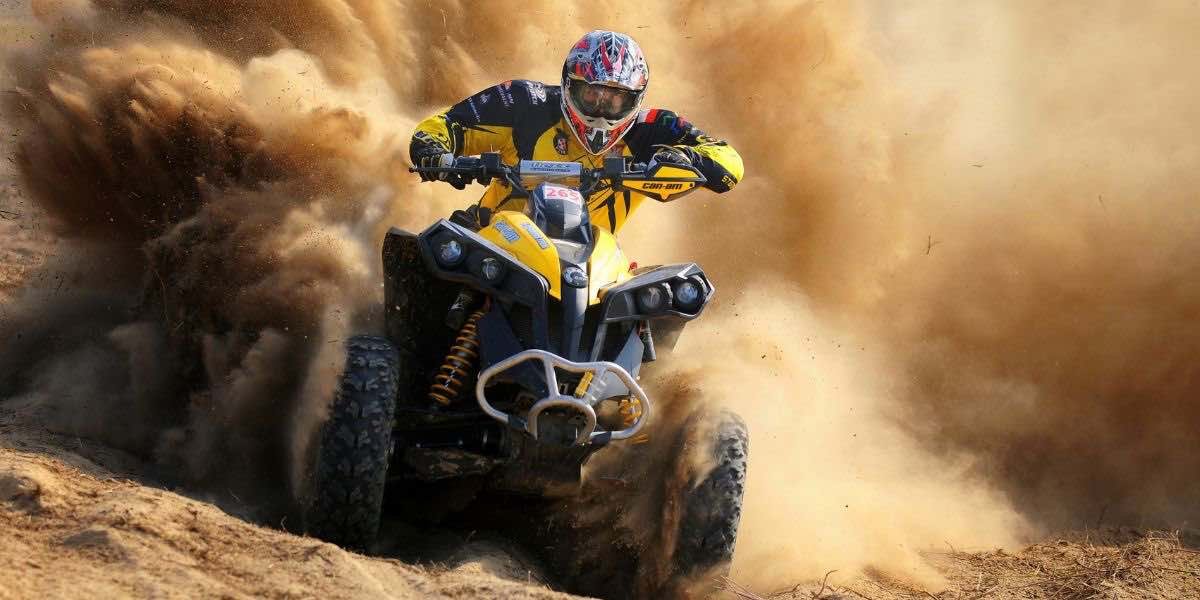
Building that setup takes more than choosing a helmet and matching kit. Each piece must fit properly, suit the terrain and work comfortably with everything around it.
Head protection starts with the right fit
A properly fitted off-road helmet is the starting point. Its extended chin bar, goggle-compatible opening and ventilation suit the physical demands of motocross and trail riding, where sustained effort often comes with limited airflow at lower speeds.
Choose a helmet with certification appropriate to its intended use, and check any requirements imposed by the event organiser. Fit should feel snug and consistent, without painful pressure points or excessive movement. Trying several models is worthwhile: the same labelled size can feel different between designs.
For an overview of purpose-built options, visit https://gb.alpinestars.com/collections/mx-helmets. Compare fit, ventilation and adjustment before focusing on graphics or finish. A helmet needs to earn its place through comfort and suitability, not appearance alone.
Clear vision is part of staying in control
Dust, flying grit and mud can interrupt visibility in an instant. Off-road goggles should sit securely within the helmet opening, forming a comfortable seal without pressing excessively against the nose or cheeks.
Lens choice matters, too. Dark tints may suit bright, exposed tracks but become less useful beneath trees or under heavy cloud. Keep a clear lens available for changing conditions, and consider ventilation and anti-fog features. Scratched lenses deserve replacement: even minor surface damage can become distracting when riding towards low sunlight.
Body armour needs to move with the rider
Protection that shifts every time a rider stands on the pegs is unlikely to inspire confidence. Chest, back, shoulder and elbow protection should remain correctly positioned through the movements off-road riding requires, from leaning forward on climbs to moving rearwards on descents.
Check what each product is actually designed to protect against. A lightweight roost deflector and a certified impact protector do not necessarily offer equivalent coverage or performance. Look beyond the general description and read the stated certification and intended use.
Knee guards are another essential consideration. Try them with riding trousers and boots, bending the knees fully to check for gaps, slipping straps or uncomfortable overlaps.
Dedicated boots deserve serious attention
Feet and lower legs sit close to rocks, roots, hot components and the motorcycle itself. Dedicated off-road boots combine substantial coverage with the support needed for this environment; ordinary footwear is not an adequate substitute.
Look for secure closures, reinforced toe and shin areas, and a sole suited to contact with the footpegs. Protection should not prevent accurate gear changes or rear-brake control.
Try boots with the socks and knee protection you intend to wear. They should hold the foot securely without crushing the toes. Allow time to become familiar with their feel before attempting demanding terrain.
Gloves and clothing should support movement
Good gloves provide reliable grip and precise control without bunching across the palm. Check finger length and seam placement with the hands wrapped around the handlebars, rather than judging fit with open palms.
Clothing has a different job from armour. A breathable jersey helps manage heat, while off-road trousers provide tougher material where the rider repeatedly contacts the bike. Neither should be assumed to provide certified impact protection unless explicitly specified.
A moisture-wicking base layer can reduce discomfort beneath protective equipment. For colder or wetter rides, add layers that preserve mobility and leave fastenings accessible.
Make inspection part of the routine
Before riding, check straps, buckles, seams, lenses and armour retention. Clean and dry equipment according to the manufacturer’s instructions, and follow its guidance on inspection or replacement after an impact. Damage is not always obvious, particularly with helmets.
The most useful setup is one that remains comfortable throughout the ride. Try the complete kit together, move around in it and address small irritations early. With equipment properly fitted and maintained, there is more attention available for reading the terrain, choosing a line and riding within your abilities.
By S. Guys
Image credit – Dreamstime