The Travel Detail Nobody Checks — Until Altitude Sickness Ruins Day One
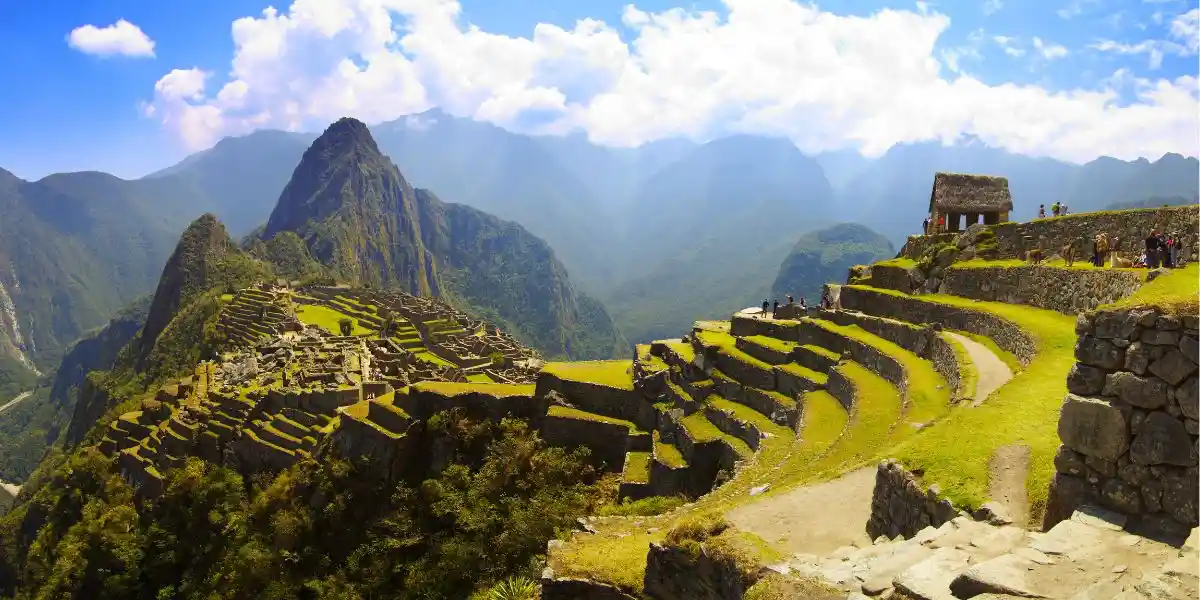
Ask the travellers who arrived in Cusco or La Paz full of energy and spent the first day flat on their backs with a pounding headache — elevation is the detail worth a ten-second look before you go.
Why altitude catches people off guard
Plenty of famous destinations are far higher than they feel from a map. Cusco sits around 3,400 metres, La Paz higher still, Bogotá and Mexico City well above 2,000. At those heights the air holds less oxygen, and even fit travellers can feel breathless, headachy or unable to sleep for the first day or two. It isn’t a sign of being unfit — it’s the body adjusting, and knowing it’s coming makes all the difference.
Checking the elevation of where you’re going, and where you are, turns a nasty surprise into something you can plan around. A quick way to see what is my elevation runs right in the browser — no app, no sign-up — which is handy both before you book and once you’re on the ground wondering whether the tiredness is jet lag or the altitude.
How elevation changes your trip (beyond feeling puffed)
Height above sea level quietly affects more than your lungs:
- It drops roughly 0.6°C for every 100 metres you climb, so a mountain town is noticeably cooler than the coast even in summer so pack a layer.
- UV is stronger at altitude; sunscreen matters more at 2,500 metres than at the beach.
- Cooking and hydration. Water boils at a lower temperature up high, and you dehydrate faster — drink more than you think you need.
- For the first days at altitude, go slow, sleep low if you can, and don’t schedule your hardest hike for day one.
Especially for hikers
If your trip involves walking, elevation matters more than distance. Ten flat kilometres and ten kilometres with 800 metres of climb are completely different days. Knowing your start and finish elevation makes it far easier to judge how hard a route really is and where to plan your breaks — and to pack for a summit that’s colder and windier than the trailhead.
The ten-second habit worth building
You don’t need special gear. Modern phones and browser tools read elevation from GPS and terrain data surprisingly well, open the page, share your location, read the number. Do it before you book a high-altitude trip, and again when you arrive, and you’ll swap an unpleasant surprise for a bit of easy preparation.
Small number, big payoff
Elevation is one of those travel details that seems irrelevant until it isn’t. It explains the breathlessness, guides your packing, and makes hikes far easier to plan. Next time a mountain town or a high plateau is on the itinerary, give it the ten-second check — your first day away is too good to lose to a headache you could have seen coming.
By C Leonov
Image credit Dreamstime.com