How to Enjoy Nature Without Sacrificing Comfort
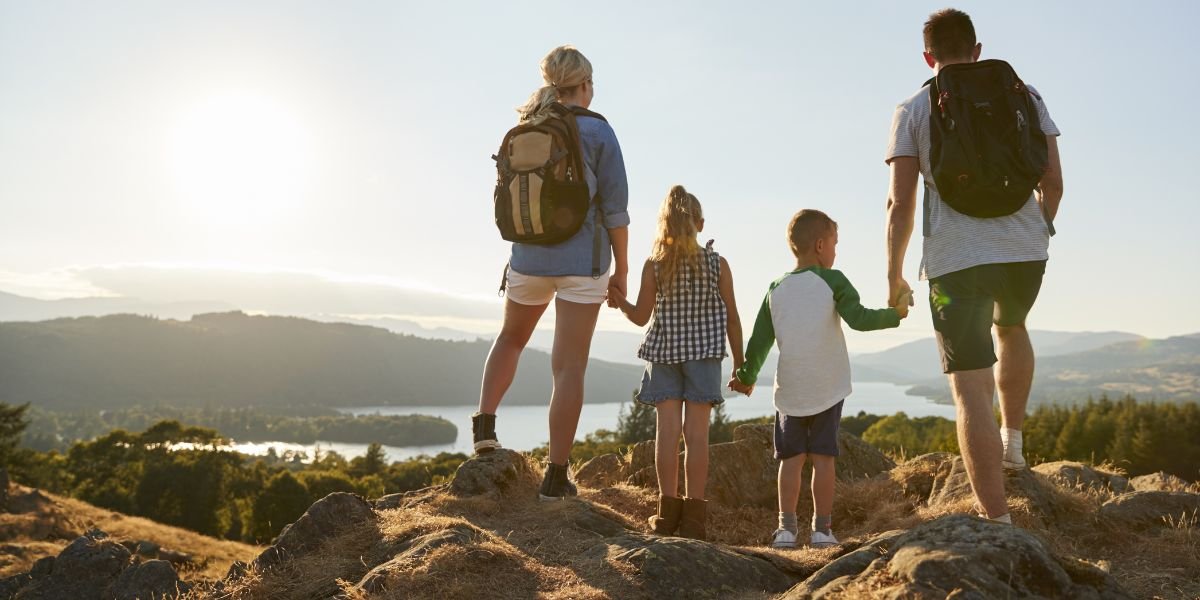
The goal is not to bring everything with you. It is to bring the right things and use them properly.
Start With the Right Footwear
Footwear is one of the most important decisions you make. If your feet are uncomfortable, everything else becomes harder. Uneven terrain, moisture, and long distances put constant stress on your body.
Good footwear should provide support, traction, and durability. It should also handle different conditions without breaking down.
What to Look for in Outdoor Footwear
- Strong grip for uneven or slippery terrain
- Ankle support to reduce strain on longer walks
- Materials that handle moisture without becoming heavy
Options like tactical boots are built for stability and long wear. They hold up under pressure and provide consistent support, which reduces fatigue over time.
When your footing is stable, the rest of the experience becomes easier.
Layering for Changing Conditions
Weather outdoors changes quickly. Even short trips can shift from warm to cold or dry to wet. Layering is the most effective way to stay comfortable without carrying excessive gear.
The key is flexibility. You should be able to adjust your clothing as conditions change.
A basic layering system includes a base layer to manage moisture, a mid layer for insulation, and an outer layer for protection. Each layer serves a specific function, and removing or adding layers helps regulate temperature.
Avoid relying on a single heavy jacket. It limits flexibility and often leads to overheating or discomfort.
Pack Light but Pack Smart
Overpacking creates its own problems. Heavy bags slow you down and increase strain. Underpacking leaves you unprepared.
The balance comes from understanding what you actually need.
Essentials That Improve Comfort
- Water and a way to stay hydrated throughout the trip
- Lightweight snacks that provide steady energy
- A compact first aid kit for minor issues
- Weather-appropriate clothing adjustments
Each item should have a clear purpose. If it does not add value, it adds weight.
Keep Small Items Accessible
Small items often create the most frustration when they are hard to find. Keys, tools, or access cards need to be easy to reach without unpacking everything.
Organization makes a difference here. Instead of storing everything in one place, separate frequently used items so they are accessible.
Using tools like custom retractable keychains keeps essential items within reach. This reduces time spent searching and keeps your setup efficient.
The goal is to reduce friction. When everything has a place, movement becomes smoother.
Choose Campsites and Stops Carefully
Comfort is not just about gear. Location matters.
Flat ground, wind protection, and proximity to water sources all affect how comfortable your setup will be. Poor site selection leads to unnecessary discomfort, even with good equipment.
Take a few extra minutes to evaluate your surroundings before settling in. Look for natural barriers, stable ground, and areas that stay dry.
These small decisions improve rest and reduce problems later.
Manage Energy and Pace
Trying to do too much in one trip often leads to fatigue. When energy drops, even simple tasks feel harder.
Pacing matters. Break activities into manageable sections and allow time for recovery.
Pay attention to how your body responds. Adjust your pace instead of pushing through discomfort. This helps maintain consistency throughout the experience.
Comfort comes from control, not speed.
Use Simple Tools to Improve Experience
You do not need complex gear to stay comfortable. Small, practical tools often have the biggest impact.
Tools That Make a Difference
- Portable seating for rest breaks
- Compact lighting for visibility at night
- Basic navigation tools to stay on track
These additions improve usability without adding unnecessary weight.
The focus should be on efficiency. Each tool should make the experience easier, not more complicated.
Plan for Recovery
The experience does not end when the activity is over. Recovery affects how you feel the next day.
Proper hydration, food, and rest all play a role. Neglecting recovery leads to fatigue that carries into future activities.
After any outdoor trip, take time to reset. Clean gear, address any minor issues, and prepare for the next outing.
This keeps the experience sustainable over time.
Final Take
Enjoying nature without sacrificing comfort comes down to preparation and execution. The right footwear, smart packing, and simple organization remove most of the common problems.
You do not need to overcomplicate it. Focus on what supports movement, reduces friction, and adapts to changing conditions.
When those elements are in place, the environment becomes easier to navigate and more enjoyable overall.
image credit – dreamstime