Planning a Trip to Sofia, Bulgaria: What Travellers Should Know Before Visiting
Sofia, the capital of Bulgaria, offers a unique combination of historical heritage, cultural diversity, and accessible urban infrastructure. Understanding several practical aspects before arrival can significantly improve the travel experience.
Understanding Sofia’s Geographic and Cultural Context
Sofia is located in western Bulgaria at the foot of Vitosha Mountain, making it one of the few European capitals where urban landscapes and natural scenery coexist closely. The city’s history spans more than two millennia, reflected in a mixture of Roman ruins, Orthodox churches, Ottoman-era landmarks, and modern architecture.
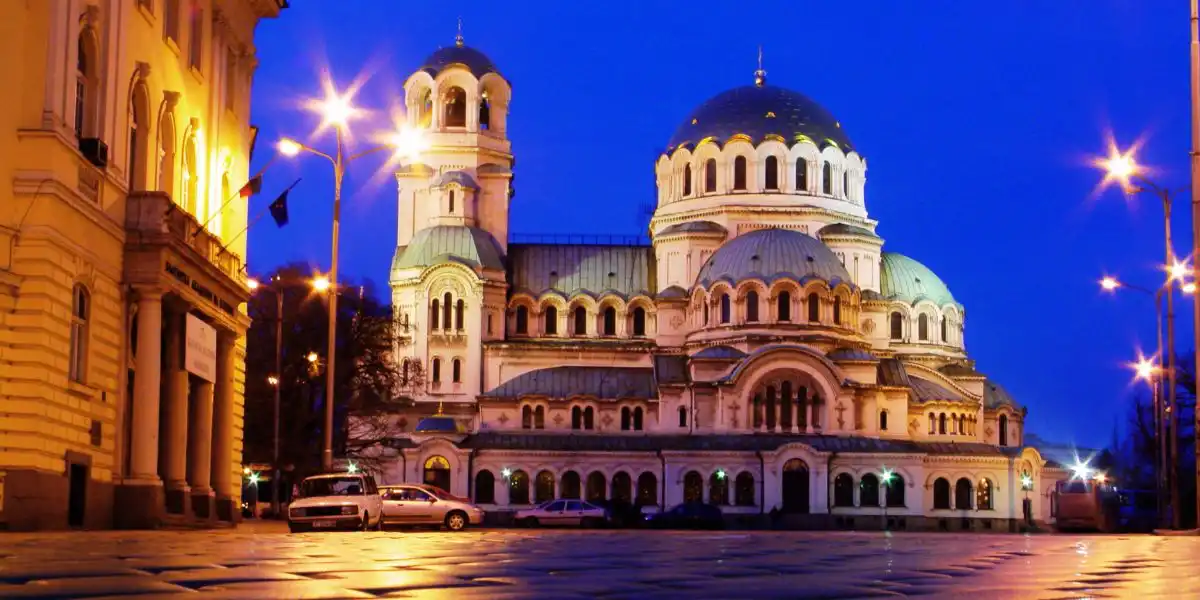
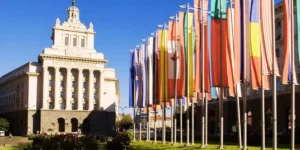
Key historical sites such as the Alexander Nevsky Cathedral, the Serdica archaeological complex, and the National Palace of Culture illustrate the city’s layered past. According to data from the Bulgarian Ministry of Tourism, Sofia is among the most visited cities in the country due to its cultural institutions, museums, and convenient transport connections.
Travellers who familiarise themselves with the city’s historical context beforehand often find it easier to prioritise the most meaningful attractions during shorter visits.
Seasonal Considerations and Climate
Timing can strongly influence the overall experience of visiting Sofia. The city has a continental climate with four distinct seasons.
Spring and early autumn are generally considered the most comfortable periods for tourism due to moderate temperatures and fewer crowds. Summer can be warm, while winter temperatures occasionally drop below freezing. However, winter also offers advantages for travellers interested in nearby ski resorts, as Vitosha Mountain provides accessible winter sports facilities just outside the city.
Before planning a trip, visitors can review detailed climate information through the World Meteorological Organization’s climate resources, which provide reliable data about seasonal weather patterns and temperature averages.
Understanding these seasonal variations allows travellers to align their itineraries with personal preferences for outdoor activities, sightseeing conditions, or cultural events.
Transportation and Accessibility
Sofia is well connected to other European cities through Sofia International Airport, which handles both international and regional flights. The airport is located approximately 10 kilometres from the city centre and is linked by metro, bus services, and taxis.
Within the city, public transportation includes:
- a metro system
- trams
- buses
- trolleybuses
The metro is particularly convenient for visitors, as it connects major districts, business areas, and the airport. According to Sofia Municipality data, the metro network continues to expand, improving travel efficiency for both residents and tourists.
Travellers staying near central transport hubs often find it easier to access major attractions without relying heavily on taxis or private transport.
Choosing Accommodation and Neighbourhoods
Selecting accommodation is one of the most important decisions when planning a visit to Sofia. The city offers a wide range of lodging options, from boutique hotels and hostels to international chains and short-term apartment rentals.
Central districts such as Serdika, Lozenets, and areas around Vitosha Boulevard are particularly convenient for first-time visitors. These neighbourhoods provide easy access to major landmarks, restaurants, and public transport.
When comparing accommodation options, travellers typically consider factors such as proximity to public transport, walking distance to attractions, and the availability of local amenities. Reviewing accommodation platforms and hotel websites can help visitors assess facilities, location advantages, and pricing.
For example, some travellers explore local booking resources such as Sofia Bulgaria Hotels website to compare accommodation options within the city and understand available amenities before making a reservation.
Early booking can also provide greater price stability, especially during peak tourist seasons or major events hosted in the capital.
Cultural Etiquette and Local Experiences
Sofia’s cultural atmosphere reflects a blend of Balkan traditions and contemporary European influences. Travellers who approach the destination with curiosity and cultural awareness often gain a more rewarding experience.
Several practical cultural observations may be helpful:
- Bulgarians commonly greet with a handshake in formal settings.
- Local cuisine includes traditional dishes such as banitsa, shopska salad, and kebapche.
- Cafés and small restaurants form an important part of social life in the city.
Exploring neighbourhood markets, local bakeries, and cultural institutions can offer insights into everyday life beyond major tourist attractions.
Museums, art galleries, and theatres are widely available, and many are located within walking distance of the historic centre. Planning a balance between structured sightseeing and spontaneous exploration often allows travellers to experience both the historical and contemporary sides of Sofia.
Managing Time and Daily Itineraries
Time management plays a significant role in the overall quality of urban travel. Sofia’s compact city centre allows many key landmarks to be visited within a relatively small geographic area.
Travellers often organise their schedules by grouping attractions into walking routes. For example, a single route may include:
- The Alexander Nevsky Cathedral
- Saint Sophia Church
- The Serdica ruins
- The Presidential Palace
This approach minimises travel time between sites and leaves space for cafés, parks, or local discoveries along the way.
At the same time, leaving flexible time in the itinerary can allow visitors to adapt plans based on weather conditions, local recommendations, or unexpected events.
Conclusion
Planning a trip to Sofia involves understanding both practical logistics and the broader cultural landscape of the city. By researching climate conditions, transportation systems, and accommodation options in advance, travellers can reduce uncertainty and improve the overall structure of their visit.
Sofia rewards thoughtful preparation with a wide range of historical landmarks, vibrant urban spaces, and access to nearby natural environments. With clear expectations and organised planning, visitors can explore the Bulgarian capital efficiently while still allowing room for spontaneous discoveries that often make travel memorable.
Image credit – dreamstime