One week Tanzania safari itinerary
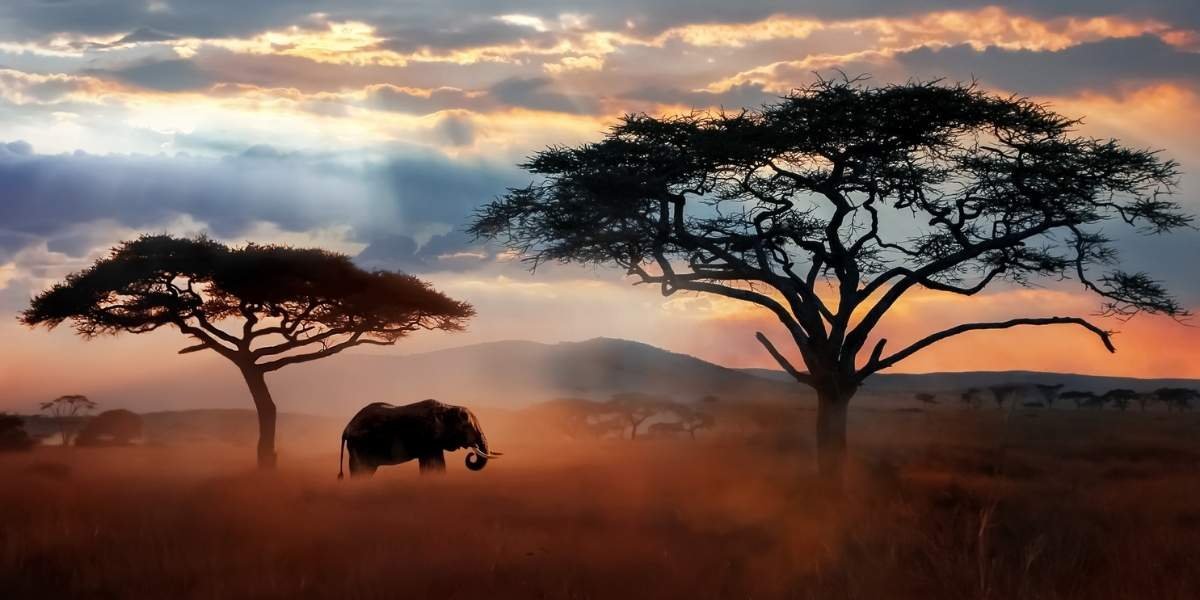
Home to the Big 5, over 500 species of birds and around 120 incredible tribes, there is no wonder that Tanzania enjoys the reputation of being the greatest safari destination on earth.
When to go
Consider the low season to visit Serengeti. You may not witness the great migration and the river crossings, you will not see the large tourist hordes and their vehicles.
A shoulder season safari will provide an intimate and classic experience and it is strongly suggested to travel during this time. Again, because of its popularity, there are a large number of lodges and camps which remain open for you to choose from.
This especially crafted 7 day Tanzania safari itinerary covering the Northern Circuit, which will showcase the very best the country has to offer and tips and trick that will make all the difference to your ultimate safari experience.
It involves staying one night in each park and three nights in Serengeti on a seven day safari in order to completely enjoy your Tanzania safari experience instead of rushing from one park to another.
Day One-Arusha-gateway to the Northern Circuit
The bustling city of Arusha is usually a one day stopover but you can do a lot in the limited time. One option is to visit the Arusha National Park on a driving or walking safari.
While not in the same league as the other parks on your itinerary, it is home to plenty of zebras, giraffe and buffalo with an occasional predator or two like a hyena or a leopard.You may also come across elephants and hippos.
Day Two-Tarangire National Park
Head southwest early morning for a couple of hours towards Lake Manyara, which sits on the top of Tarangire National Park for an exciting day of safari while stopping at either of the two scenic spots, Silale or Maete for lunch.
Tarangire, surprisingly, is often overlooked by nature lovers, but this incredible place is home to astonishing wildlife, most outstanding are the enormous herds of elephants that you can see here, particularly during the dry season.
At the end of the day, visit Karatu, known as the gateway to the Ngorongoro Highlands. It takes about 1.5 hours to reach this place from the northern exit of Tarangire.
Day Three-Ngorongoro Crater
The most iconic day of your safari will take you to the legendary Ngorongoro Crater as you pass the way to the Serengeti.Traveling into the crater is like setting foot in a mystical lost world.
Spend the morning exploring this unique and biologically diverse safari destination on the planet Apart from being the largest extinct volcanic calderas in the world, the crater is home to a staggering variety of wildlife, including globally vulnerable species such as black rhino and the African wild dog.
Day Four-Central Serengeti
Central Serengeti is often regarded as one of the finest safari destinations in the world and a UNESCO World Heritage Site. The vast ecosystem covers an area of 30,000 square kilometres which is about 20 times the size of Masai Mara.
Located in north-west Tanzania, Serengeti offers exceptional wildlife viewing all through the year and is possibly the best place to witness both the Great Migration and the Big 5.
The reason for this high predator density is the abundance of prey, like wildebeest and zebra, especially during the great migration, another spectacular natural spectacle which occurs annually each year.
The park is also a haven for birders as it has over 500 species, both resident and migratory, including raptors, vultures, water fowl and many kinds of songbirds.
Day Five-Northern Serengeti
It takes about four hours to drive to Northern Serengeti which serves as the backdrop of awe-inspiring great migration when millions of zebra and wildebeest embark on their annual trek to Kenya after braving the perilous crossing across the crocodile infested Mara River.
In general, the Northern Serengeti also has a high density of predators because of the large numbers of resident herbivores. Since the area is less frequented by visitors, it is a good place for an intimate safari experience.
Day Six- Southern Serengeti
On the southern plains of the Serengeti are the never-ending series of rock formations known as kopjes which provide the perfect resting place for lions, leopards, cheetah and hyenas to name a few.
Other interesting species found here are rock hyraxes and the colorful Agama lizard. The kopjes have been given names like Simba and GOL for example.
January and February is the calving season for the wildebeest which takes place around Lake Ndutu. At this time, a large number of predators can also be seen in this region.
Optional add on
After your Serengeti adventures, take a short flight to relax and unwind on the beaches of Zanzibar. Spend the day unwinding in this tropical paradise located off the east coast.
With its turquoise waters and pristine beaches, besides vibrant culture there is plenty to see and do in Zanzibar, even for a week if you have the time.
Day Seven- Return to Kilimanjaro Airport and depart
After your iconic beach and safari adventure it is time to head back to Arusha for your home or onward destination from the Kilimanjaro International Airport.
Tips and other miscellaneous costs
Set aside $10 per person per day for tips. If you are not used to the tipping culture, consider tipping at the very least for the game drives, although this is also optional, tips are generally expected.
There is no need to tip while visiting local tribes unless you feel like it. It is better to support the community by making purchases of small homemade jewellery on sale. The basic ones cost usually around $30 per piece and upwards for pieces with more elaborate work.