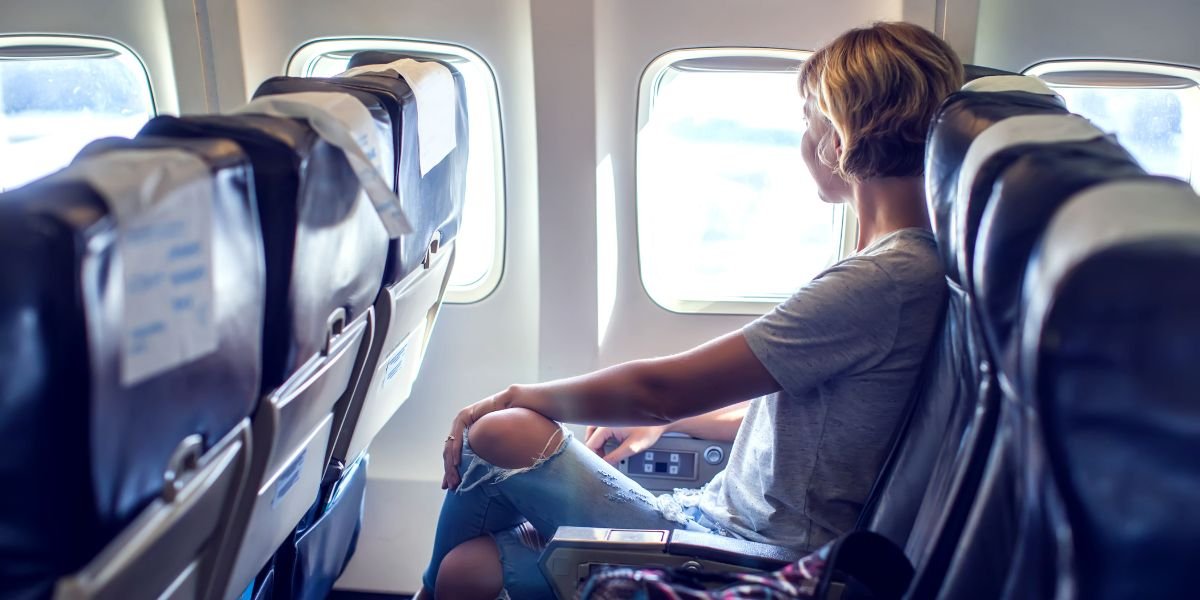
Digital Nomad Lifestyle: Entertainment on the Road

Nielsen’s January 2026 distributor data showed YouTube at 12.5% of TV use, Disney at 11.9%, and Netflix at 8.8%, which says a lot about how people now move between live sport, clips, and series without treating them as separate.
For someone working from a rented flat on Tuesday and a rail seat on Thursday, entertainment is rarely a grand plan; it is a phone, a pair of earbuds, and a small window before check-in closes or the next train boards. The old distinction between watching, listening, and tracking has thinned to almost nothing.
Time zones become part of the fixture list
That is why digital nomad leisure often looks less like escape and more like scheduling. A late kickoff can be breakfast in Lisbon and midnight in Bangkok, and people who follow matches regularly build their day around that arithmetic the way a coach builds around recovery minutes. Fulham’s 2-1 win over Tottenham at Craven Cottage on March 1 was the sort of match that rewards this habit: Harry Wilson scored in the seventh minute, Alex Iwobi bent the second in off the inside of the post in the 34th, and Richarlison’s reply came eight minutes after he stepped off the bench. Time zones matter.
Downloads still earn their place
The glamorous version of life on the road usually forgets dead zones, airport queues, and tired station Wi-Fi. Netflix’s help pages still treat downloads as a core feature on iPhone, iPad, Android, Fire devices, and Chromebook, while Spotify says Premium users can download albums, playlists, and podcasts, store as many as 10,000 tracks on each of up to five devices, and keep them active by going online at least once every 30 days. That matters more than the lifestyle rhetoric, because the useful travel stack is built on quiet reliability: one film for a delayed gate, one playlist for a four-hour bus, one saved podcast for the stretch where signal drops outside town. Downloads still win.
Recreation fits in the pocket
Mobile recreation has become less ceremonial and more practical. On a travel day, Melbet download (Arabic: melbet تحميل) sits in the same pocket of habit as a rail app, an eSIM tool, and a saved playlist: open, check, close, reopen when the match turns, or the queue slows. Convenience usually wins on the road. One device can carry the score, the stream, and that habit of checking in on a match while a train is delayed or a room key is being sorted. Brentford’s 1-1 draw with Arsenal on February 12 had exactly that kind of pull: Michael Kayode’s long throw caused the problem, Keane Lewis-Potter finished at the back post, and Arsenal paid for a warning they had already seen when David Raya was forced into a save in the first half.
One pass can cover the day
Basketball travels well for the same reason. NBA League Pass Premium lets users download full games, recaps, and condensed games to Android and iOS devices. The service notes one important limitation that experienced travelers learn quickly: nationally televised games are not available live on League Pass and show up at 6 a.m. the next day. At the same time, local blackouts also still shape access in some markets. That rule sounds minor until a nomad lands after midnight and wants the game with coffee rather than spoilers. A good mobile service is not just about what it offers; it is about knowing exactly when the door opens.
The group chat comes with you
The road does not reduce sports conversation; it just changes the room. A person in a hostel kitchen, an airport lounge, and a late-night apartment rental can all be in the same match thread when a game turns strange, which helps explain why live sport still sits so comfortably inside mobile leisure. Nottingham Forest’s 2-2 draw at Manchester City on March 4 had that shape: Morgan Gibbs-White equalised with a backheel, Elliott Anderson made it 2-2 from distance in the 76th minute, and Murillo’s goal-line clearance from Savinho’s late shot kept the point alive at the Etihad. Those are the moments that travel fastest, because they can be clipped, argued over, and replayed before the taxi arrives.
The road gets quieter, not emptier
The strongest entertainment routines on the move are usually the least showy. Spotify’s latest official quarterly update said the platform had reached 751 million monthly active users in Q4 2025, which fits the broader picture: people do not need a giant screen or a fixed address to maintain a daily culture habit anymore. They need continuity across devices, sane download options, and a feel for when a match or a show is worth stopping for. For digital nomads, that often means the same evening can hold a condensed NBA replay, a saved album, a few minutes of live football, and a walk back from the station with the phone back in the pocket.
Image credit Dreamstime