4 things to know before wild camping for the first time
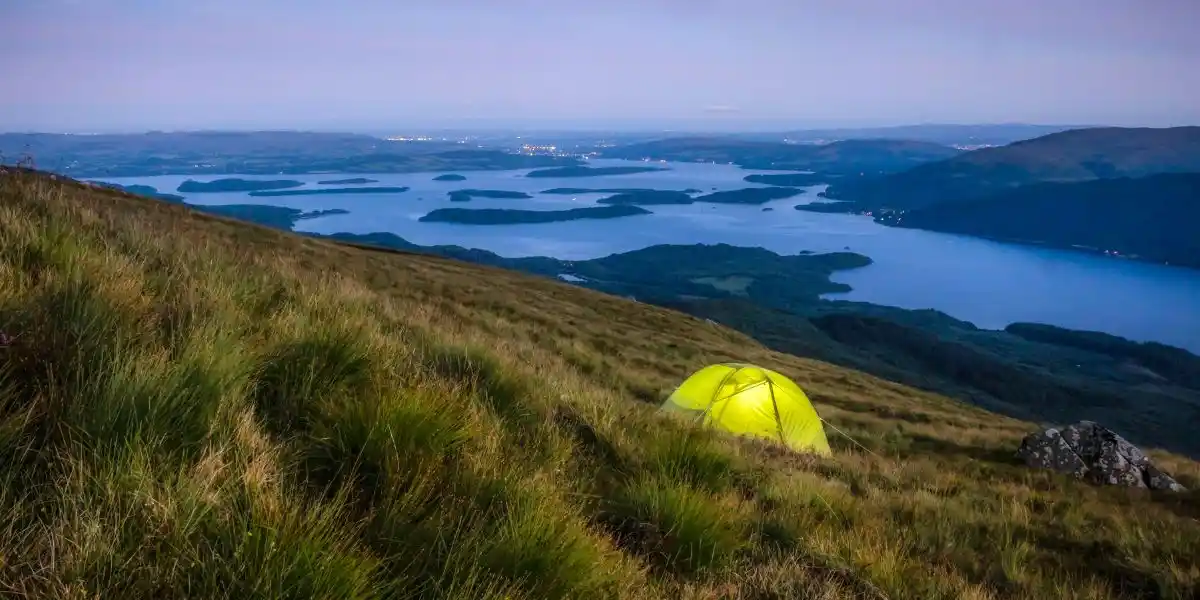
Understanding local regulations, choosing a suitable campsite, packing the right equipment, and minimising your environmental impact will help you make the most of your adventure while protecting these natural spaces for future visitors.
Understand the rules
Before heading out, it is important to understand the rules surrounding wild camping in your chosen location. Laws vary across the UK, so researching local guidance before your trip can help you avoid issues with landowners, unsuitable camping spots, or potential fines.
Scotland generally allows responsible wild camping under the Scottish Outdoor Access Code, provided campers follow guidance around respecting the environment and ensuring other people’s enjoyment of the outdoors. In England, Wales, and Northern Ireland, wild camping restrictions are more common, and you may need permission from the landowner before setting up camp.
Choose your campsite carefully
Selecting the right location is one of the most important decisions you will make when wild camping. A suitable campsite can make your experience more comfortable while reducing your impact on the surrounding environment.
Look for flat, stable ground that is away from roads, buildings, and busy areas. Avoid environmentally sensitive locations, such as areas with fragile vegetation or habitats that could be easily damaged. You should also consider practical factors, including weather exposure, access to water, and the risk of flooding.
Checking the forecast before setting up camp can help you choose a safer location and prepare for changing conditions. A well-chosen campsite will allow you to enjoy your surroundings while leaving the area undisturbed.
Pack the essentials
Weather conditions can change quickly, especially in remote areas, so having the right equipment is essential. A reliable tent, suitable sleeping system, weather-appropriate clothing, navigation tools, and enough food and water should all be included in your packing list.
Efficient packing is important, but it is equally important to prepare for different conditions. Layers, waterproof clothing, and reliable equipment can make a significant difference if temperatures drop or rainfall increases.
If you rely on your phone for maps, weather updates, or emergency communication, it is also worth considering security when connecting to public Wi-Fi networks at campsites or visitor centres. Using a VPN for iPhone can help protect your personal information while accessing online services away from home.
Leave no trace
Responsible wild camping means leaving the environment exactly as you found it. Simple actions, such as taking all rubbish with you, avoiding damage to plants, and respecting wildlife, can help protect outdoor spaces for others.
Campfires should only be used where permitted and must be managed carefully to reduce the risk of damage. Following Leave No Trace principles ensures that natural areas remain enjoyable and accessible for future generations.
With the right preparation and a responsible approach, wild camping can be a memorable way to explore the UK’s landscapes while respecting the places that make these adventures possible.
By Abigail A
Image credits – dreamstime.com