Two People, One Small Tourer: A First-Timer’s Guide to Caravan Weekends Away
Why a Small Tourer Suits Couples
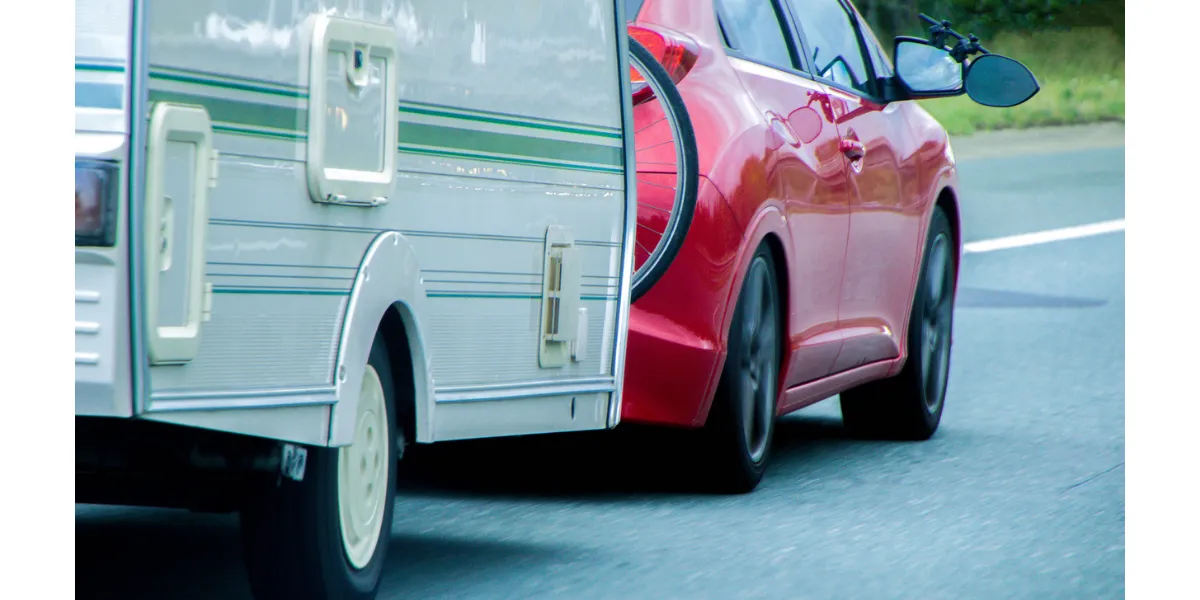
For couples, a two berth tourer hits a sweet spot. It’s light enough to tow with an ordinary family car, small enough to squeeze onto the tighter pitches at older sites, and cheap enough to make spontaneous weekends genuinely affordable. Most weigh somewhere between 750kg and 1,100kg when loaded, which keeps things manageable for a nervous first-time tower.
What you actually get inside
Don’t expect a palace. A typical layout has a front lounge that converts into a double bed, a compact kitchen with a two or three burner hob, a small fridge and a washroom with a cassette toilet. Some newer models squeeze in a shower too. It’s cosy. That’s rather the point.
Choosing Your First Caravan
Before you start browsing, sit down together and be honest about how you’ll use it. Will you mostly do Friday to Sunday trips within a couple of hours of home? Or are you dreaming about a fortnight in the Dordogne? The answer shapes everything, from budget to whether you need a fixed bed.
Browsing listings of 2 berth caravans for sale is a good way to get a feel for prices and layouts before you visit a dealer. Older models from the early 2010s can often be found for under £8,000, while nearly new examples from brands like Swift, Bailey and Elddis tend to sit well above £20,000.
Check your towing limits
This trips up loads of beginners. Look in your car’s handbook or on the VIN plate for its maximum towing weight, and aim to keep the caravan’s loaded weight at around 85% of the car’s kerb weight. It’s guidance, not law, but it makes for a steadier tow. Good news if you passed your test after January 1997: the rules changed in December 2021, so you can now tow a trailer of up to 3,500kg without an extra test.
Inspect before you buy
Damp is the big enemy. Ask for a recent habitation check, press gently on the walls and floor near windows and corners, and walk away from anything that smells musty. A soft floor can mean a repair bill running into thousands.
Planning That First Weekend
Keep the first trip short and close. Somewhere an hour or ninety minutes away is perfect, because if you forget the hook-up cable (and someone always does), it isn’t a disaster.
Picking a site
The Caravan and Motorhome Club and the Camping and Caravanning Club both run large networks of well-kept sites with friendly wardens who are used to helping newcomers. Hardstanding pitches are a blessing in wetter months, and electric hook-up means you can run a heater, charge phones and boil water without fuss. For a gentle introduction, try somewhere like the Cotswolds, the Peak District or the Norfolk coast, all with plenty of sites within strolling distance of a decent pub.
Practise reversing first
Find an empty car park on a Sunday morning and practise. Reversing a caravan feels completely backwards at first, as you steer the opposite way to where you want the back end to go. Twenty minutes of practice will save a lot of red faces on site. Alternatively, a motor mover lets you shift the van into position with a remote control, and many couples swear by them.
Living Small Without Falling Out
Here’s the bit nobody mentions. Spending 48 hours in roughly 12 square metres with your partner is a test of any relationship. A little planning goes a long way.
Divide the jobs. One person handles the hitch and levelling, the other sorts the inside. Swap next time so you both learn.
Pack light. Storage is tight. Collapsible bowls, a few pairs of shoes each and soft bags instead of suitcases make a real difference.
Get an awning. A porch awning effectively doubles your living space and gives you somewhere to dump muddy boots.
Bring outdoor chairs. On a sunny evening, the best room in any caravan is the one outside it.
A simple first-trip checklist
Hook-up cable, levelling ramps, a water carrier and waste container, toilet chemicals, gas bottle, torch, a basic toolkit and a spare wheel that actually has air in it. Write it down and laminate it. You’ll use it every time.
Making It a Habit
Once the first weekend is done, something shifts. You start noticing campsite signs on country lanes and planning routes around farm shops.
Start small, learn as you go and don’t chase perfection. The wonky pitch, the burnt sausages, the night it rained so hard you played cards until midnight; those become the stories worth telling. Pack the kettle and go.
Image credit, Dreamstime.com