Barcelona with a group – a practical guide to planning a team trip Bevezető
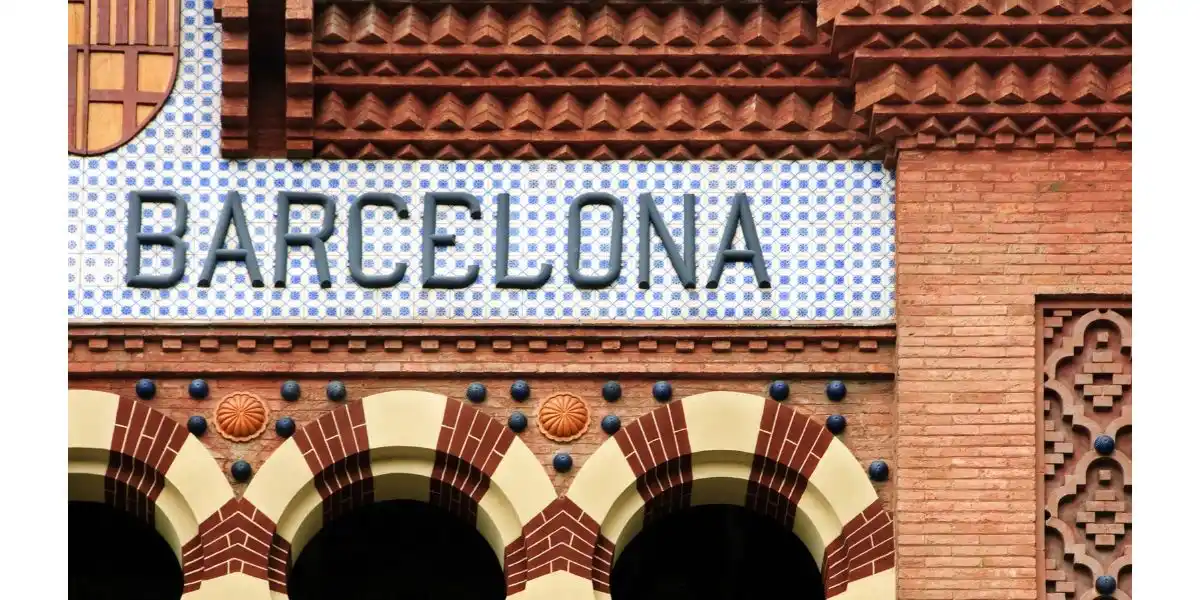
Somebody has to organise the trip, and if you’re reading this, it’s probably you.
The good news is that Barcelona is one of the easiest cities in Europe to take a group to. The less good news is that it has its own rhythm, and if you plan as if it were London or Manchester, a few things will catch you out.
Barcelona with a group – why it works so well
Barcelona is compact in a way that big capitals rarely are. The airport is close to the centre, most of the sights are walkable, and you can get from a medieval square to the beach in about twenty minutes on foot. The city doesn’t wind down after dinner either. If anything, that’s when it gets going.
It also packs a lot of different moods into a small space, which matters more than you’d think with a group. The Gothic Quarter is all narrow lanes and old stone. Gràcia feels like a village that the city grew around, with small squares and local bars. El Born is good for independent shops and an easy afternoon, and Barceloneta is there whenever someone needs sea air. Thirty-odd people will never agree on one plan. In Barcelona, they don’t have to.
It’s also worth knowing how used the city is to hosting companies. Congresses, trade fairs and incentive trips run pretty much all year, and there’s a whole local industry built around corporate events in Barcelona, from venues and caterers to the people who handle music and entertainment. That becomes very useful when you get to planning the main evening, so keep it in mind.
Getting there and getting around
Most flights from the UK land at El Prat, and the Aerobus runs straight to Plaça de Catalunya in the centre. It’s quick and cheap, and for a small group it’s perfect. Once you’re past a dozen people, though, think about a private coach. It costs more, but you’ll have everyone, and everyone’s luggage, in one place, with no one left behind on the wrong platform.
In the city, the metro is clean, frequent and easy to work out. A T-casual card covers ten journeys and saves the whole group from queuing at ticket machines every time. That said, in the centre you’ll walk more than you ride, and some of the nicest corners are the ones you stumble into rather than plan.
One honest warning: pickpockets. They’re most active around Las Ramblas and on the metro. Phones in front pockets, bags zipped, nothing on the café table. Barcelona is a safe city, but it’s worth a quick reminder to the group before you arrive.
Where to stay
The obvious choice is a big hotel near Las Ramblas, and it’s usually not the best one. It’s noisy, busy, and the area is aimed squarely at tourists. The edges of Eixample are a good alternative: close enough to walk into the old town, quiet enough that people actually sleep.
When you’re comparing hotels, ask two questions that booking sites rarely answer. First, is there a terrace or private room you can use for a welcome drink? It’s a lovely way to start a trip and saves hunting for a bar for forty people on arrival night. Second, how flexible are breakfast times? Spanish evenings run late, and a 7am cut-off after a late dinner won’t make you popular.
Learning to eat on Spanish time
This is the one that surprises most groups. Lunch in Barcelona is usually around 2pm, sometimes later. Dinner before 9pm is early, and restaurants that are buzzing at 10.30pm will be close to empty at 7.
You can fight it, but you’ll end up eating in quiet dining rooms while the staff set up for the real service. It’s much easier to lean in. The Catalan habit of vermut helps: an early-evening vermouth with olives and crisps, usually somewhere between 6 and 8, bridges the gap to dinner nicely. It’s also a very easy way to get a group chatting.
Tapas is a gift for groups. Nobody has to commit to one main course, sharing plates gets people talking across the table, and it’s usually kinder to the budget than set menus. For anything over eight people, book ahead, especially on Friday and Saturday nights.
Days that don’t feel like a school trip
The fastest way to lose a group’s goodwill is to schedule every minute. People want to see the city, but they also want to see it on their own terms.
A structure that tends to work over three days goes like this. On the first morning, one guided walk through the Gothic Quarter and El Born gives everyone their bearings. After that, offer choices rather than a fixed programme: the Sagrada Família, the beach, or nothing at all. If anyone wants the Sagrada Família, book timed tickets well in advance, because it regularly sells out.
The middle day is usually the “proper” company day: a morning session, lunch together, and the main evening event. Leave the last day free until the airport transfer. The Bunkers del Carmel give the best view over the whole city if people don’t mind a climb. The Sant Antoni market is good for a wander, and Montjuïc suits anyone who wants a longer walk.
Planning an evening people will remember
Most of the planning energy for a group trip goes into choosing the venue: rooftops, terraces, private dining rooms. That matters, but it’s only half of it. A beautiful terrace doesn’t do much by itself if you’ve got forty people, many of whom mostly know each other from video calls, standing around holding drinks.
What actually shapes the evening is the flow: how it moves from arrival to dinner to the part where people relax. A few things make a real difference here. Live music during the welcome drink, a saxophonist on a terrace for example, gives people something to gather around and breaks the ice without anyone having to try. During dinner, the music should drop right down so conversation and speeches can happen. Afterwards, a DJ who builds the energy gradually is far more effective than one who goes straight to full volume.
This is where the local event teams mentioned earlier come in. Many of them work with companies all year round and won’t book your venue for you. What they do is take care of the music, sound and timing, and coordinate with the venue so the evening runs smoothly. If you’re short on time, it’s worth sorting this at the same time as the venue rather than leaving it to the last few weeks. The venue gives you the room. The music and flow decide how the night feels.
What’s worth doing differently
A short “how Barcelona works” note before departure saves a lot of repeated questions. It should cover dinner times, the metro card, tipping (small, rounding up is fine) and a gentle word about pickpockets.
Keep the first day light. People arrive tired, and a 10pm dinner after an early flight is a lot to ask.
Timing matters too. Late September and October are ideal: still warm enough for terraces, cool enough to walk all day. August is very hot and very crowded, and a lot of locals leave the city for their own holidays. Spring, from April to June, is also lovely and a bit quieter.
Barcelona with a group – is it worth it?
For most groups, yes, and by quite a margin. The city does a lot of the work for you: the evening light, the food, the late nights and the sheer variety in a small space. Your job is mostly to avoid overplanning, give people space to explore, and put real thought into the one evening when everyone is together.
Get that evening right, and it’s the one that ends up in the team chat for weeks afterwards.
By L. Gonsales
Image credit – dreamstime.com