The Countries That May Soon Be Out of Reach Forever
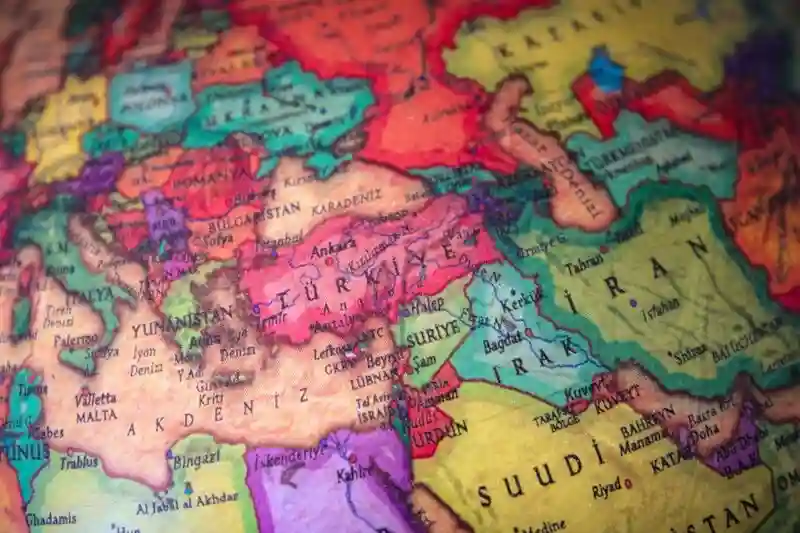
The astute traveller is one who plans in advance, making sure they scope out countries which may no longer be around in a few years and sampling them before they leave the map forever.
The Countries That Have Already Gone
The emergence and decline of countries is a natural occurrence which has taken place throughout history. In the political turmoil of the 20th century, as world wars redefined maps and boundaries, this was commonplace. One of the largest nations to appear and disappear during this century was the USSR. A nation from 1922 to 1991, it was a global superpower that later split into 15 different republics.
Yet not all nations are formed in turmoil. Czechoslovakia disbanded peacefully in 1993, when it formed the Czech Republic and Slovakia. Other countries simply change their names, such as Eswatini, which was formerly Swaziland.
Countries That Are Vanishing Fast
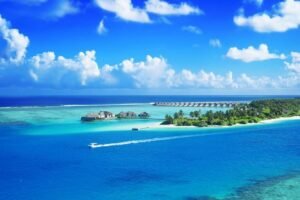
Other countries are subject to geographical constraints which threaten their existence. Several island nations in the Indian Ocean and South Pacific are currently rallying the international community for support as their coastlines erode. They include the Maldives, Kiribati and Tuvalu. All of them sit very close to sea level, meaning they are at risk of saltwater contamination of freshwater supplies, coastal erosion and flooding as they rise.
The impact of the weather, particularly rising temperatures, has been a focus on prediction markets such as Kalshi and Polymarket. Often known for sports and political outlooks, they also predict a range of climate and geographic activity. One poll has people asking if the 2026 August is the hottest ever, with 71% saying yes and 29% disagreeing. Platforms such as this are a good indicator of how people view current climate conditions.
Disputed Nations
Then there are those that flirt with a middle ground. They have not ceased to exist, nor do they exist, because they have never formally been recognised. Many have their own elections, systems of governance and laws. They just do not have formal recognition from the rest of the world yet.
The Pridnestrovian Moldavian Republic is a prime example. Often referred to as Transnistria, it declared independence in 1990. Its capital is Tiraspol; it is filled with Russian peacekeepers and little else in its 3,500 sq km radius.
One of the most curious for travellers is the Republic of Užupis. It exists in the middle of Vilnius, the capital of Lithuania. It has its own army of 11 people, a president, and a constitution. In truth, it was formed as an artists’ community and has continued to embrace this. An odd aside for travellers who love something a bit different.
These disputed areas usually have to be visited with caution, as they can be politically charged. Yet the islands in the Pacific and Indian Ocean often welcome tourism with open arms, and package deals are available. Get your passport and get moving, as they may not be around for long.
By A Fischer
Image credit – Pexels