9 Best Things to Do in Malta and Gozo for First-Time Visitors
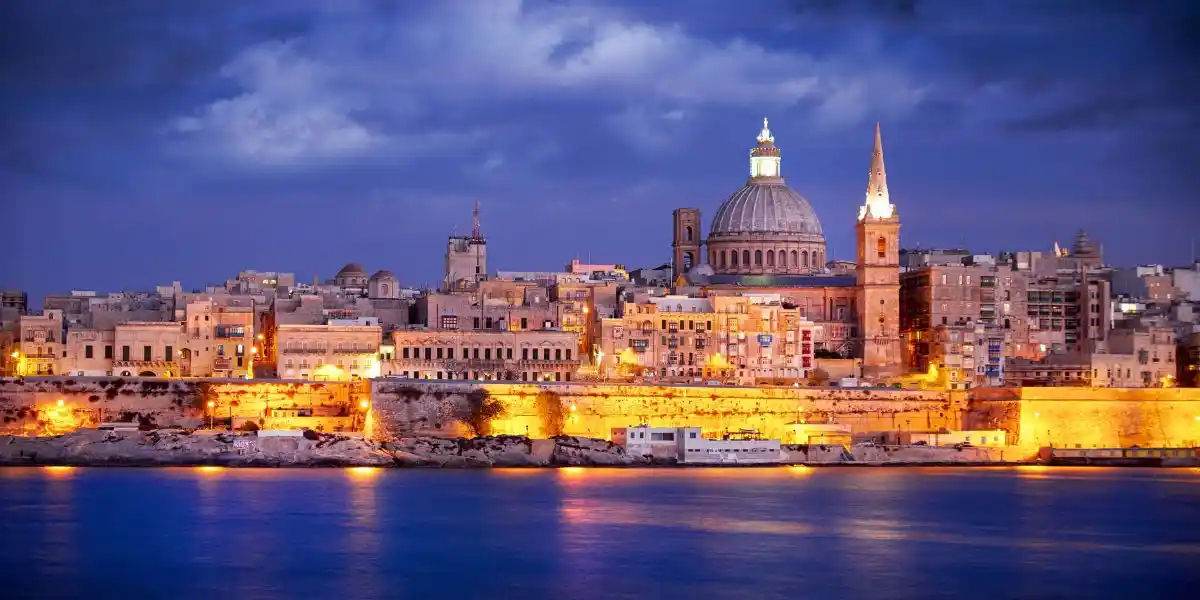
What surprised me most was the history. The temples here are older than the pyramids at Giza which I had no idea about before visiting. And Valletta the capital looks like something out of a movie with all the golden stone buildings and church domes everywhere.
If you are planning a trip here are the things I would say you cannot miss.
Spend a Day in Valletta
Valletta is one of those cities that just gets you. It is small enough that you can walk from one end to the other in maybe 20 minutes but there is so much packed in that you could easily spend a full day here without getting bored.
The Knights of St John built the city after winning the Great Siege in 1565 and they went all out on the fortifications. The walls are incredibly thick and the whole street layout was designed for defence. UNESCO listed it as a World Heritage Site which makes sense when you see it.
I remember my first view of the city was from Sliema across the water. All those church domes and fortress walls catching the afternoon light. I just stood there for ages taking it in.
Start at the Triton Fountain by the main gate and walk down Republic Street which goes all the way to Fort St Elmo at the tip. This is where all the action is. Locals shopping and meeting friends in the little cafes that spill out onto the pavement. The buildings are that distinctive Maltese limestone with painted wooden balconies sticking out above.
If there is one place you absolutely have to visit it is St John’s Co-Cathedral. The outside looks almost plain but walk inside and your jaw will drop. Gold leaf everywhere. The floor is made of marble tombstones of fallen knights. There are two Caravaggio paintings including his largest work. Entry is around €15 with an audio guide included. Try to get there before 10.30am to avoid the crowds.
Upper Barrakka Gardens is free and has the best views in the city. You look out over the Grand Harbour with the Three Cities opposite. They fire cannons at noon from the Saluting Battery below which is touristy but still fun.
If you have time take the Barrakka Lift down to the waterfront and catch one of the traditional dgħajsa boats across to Birgu. These wooden boats have been ferrying people across forever. Birgu is older than Valletta and gets way fewer tourists. Narrow streets and ancient doorways and old men sitting outside their houses. Worth a wander.
See the Prehistoric Temples
Here is something I did not know before visiting. Malta has the oldest freestanding stone structures on Earth. Not Stonehenge. Not the pyramids. Malta.
These megalithic temples were built between 3600 and 2500 BCE by a civilisation that then completely vanished. We do not know who they were or what happened to them. They just left these massive limestone monuments behind.
Ħaġar Qim and Mnajdra are on the southern coast perched on cliffs overlooking the sea. The two sites are about 500 metres apart and share a ticket. Some of the stones weigh over 20 tonnes. How they moved them is still a mystery. There is a visitor centre with a short film that helps explain what you are looking at.
On Gozo the Ggantija Temples are even older. The name means belonging to the giants because people in medieval times figured only giants could have moved stones that big. Fair enough really.
The Ħal Saflieni Hypogeum is the most incredible of all. This underground burial complex near Valletta was carved entirely by hand using flint and antler tools. More than 7000 bodies were buried here over the centuries. They only allow 80 people in per day and tickets sell out weeks in advance so book early.
Wander Through Mdina
If you want to feel like you have stepped back in time then you have to visit Mdina. It was Malta’s capital for centuries before the Knights moved everything to Valletta. Today only about 300 people live inside the walls and cars are banned. They call it the Silent City and it really is. When we walked through late afternoon we barely saw another person.
The main gate is dramatic. A stone bridge crosses a dry moat and leads through this Baroque entrance that looks like a film set. Game of Thrones filmed here. So did Gladiator. The city has been playing ancient Mediterranean fortress in movies for decades.
Inside the streets twist around without any obvious logic. You will get lost. That is fine. Getting lost is kind of the point.
Cream coloured palaces line the lanes. Bougainvillea spilling over walls. Wrought iron lanterns at the corners. The Cathedral of St Paul has this ceiling painted to look like there is a dome above but there is not. They ran out of money so painted an illusion instead. It is surprisingly convincing.
Have a drink at Fontanella Tea Garden on the bastions before or after exploring. The views across the countryside are amazing and their chocolate cake is famous across Malta. There is usually a queue but it moves fast.
Rabat starts right outside the walls and is worth exploring too. More lived in and less touristy. St Paul’s Catacombs are underground burial chambers that go on forever. According to tradition St Paul sheltered in a grotto here after being shipwrecked on Malta in 60 AD.
Take a Day Trip to Gozo
Gozo is Malta’s quieter sister island. Smaller and greener and more rural. The pace really drops when you step off the ferry. Fields of wildflowers in spring. Village churches that seem way too big for the population. Old people sitting on doorsteps chatting.
Getting there is easy enough. The main ferry leaves from Ċirkewwa in northern Malta and takes about 25 minutes to reach Mġarr Harbour. A faster service runs from Valletta too. You pay for the return when leaving Gozo not when you set off.
The question is how to get around once you arrive. Gozo is small but you cannot really walk between the main sights. Buses exist but they run pretty infrequently and you might end up stranded waiting an hour for the next one. Renting a car works if you are comfortable driving on the left.
Honestly though if you only have one day booking a tour makes the most sense. Yippee Tours is a local operator that runs several options depending on what you are after. Their tuk tuk and jeep safari tours are fully chauffeured with guides who actually know the island and take you to spots you would never find on your own. If you want something more hands on their quad bike and buggy tours let you drive yourself following a lead vehicle. All of them include pickup from your Malta hotel and ferry crossings and lunch. Most include a boat trip around Comino on the way back too. It is a lot to sort out yourself so having someone else handle the logistics means you can actually enjoy the day.
Victoria is the capital, also called Rabat by locals. The Citadel up top was recently restored and has panoramic views from the ramparts. You can see across to Malta on clear days. The streets inside have small museums and craft shops. Below the fortifications the town has this relaxed feel. Morning markets in the square sell local produce.
Ta’ Pinu Basilica stands alone in the countryside near Għarb. The church was built where a woman reportedly heard the Virgin Mary speak in 1883. The interior is covered with offerings from pilgrims. Even if churches are not your thing the architecture is impressive.
Dwejra Bay still gets visitors even though the famous Azure Window collapsed in 2017. The Inland Sea is still there, a saltwater lagoon connected to the open Mediterranean through a tunnel in the cliff. Local fishermen work from the beach. The Blue Hole nearby is supposed to be one of Europe’s best dive sites.
Ramla Bay has the best beach on Gozo with distinctive reddish orange sand. Tal-Mixta Cave overlooks the bay and makes a nice short walk. The Xwejni Salt Pans stretch along the northern coast, geometric patterns carved into rock centuries ago. Local families still harvest salt there.
Wied il-Għasri is this hidden spot most tourists miss. A narrow inlet cutting deep into the cliffs creating a fjord like swimming hole. Getting down involves some scrambling but the water is crystal clear.
Swim at the Blue Lagoon
Comino is the smallest of Malta’s inhabited islands though calling it inhabited is a stretch. One family lives there. Everyone else arrives by boat and swims for a few hours and leaves before dark. No roads no cars no hotels.
The Blue Lagoon is the main attraction and it deserves the hype. A channel between Comino and the tiny islet of Cominotto creates this sheltered bay with white sand on the bottom. The water is that blue. It looks fake in photos but it is not. I kept expecting some catch but nope. It really looks like that.
Summer crowds can be intense though. Dozens of boats anchored in the bay and every flat rock claimed by sunbathers. Music pumping from the bigger boats. It can feel more like a floating party than a peaceful swim. Arriving early helps. Going in shoulder season helps more. April May September October still have water warm enough for swimming but way fewer people.
Crystal Lagoon is around the headland and sees fewer visitors. The water is just as clear. A natural tunnel connects through to a cave system that strong swimmers can explore when conditions are calm. Santa Maria Cave on the eastern side is worth finding too. The light reflecting off the sand creates this supernatural blue glow inside.
Most Gozo day tours include a stop at the Blue Lagoon on the boat ride back to Malta which works well. You see Comino without arranging separate transport and the timing avoids the worst crowds.
Visit the Blue Grotto
The Blue Grotto is actually seven sea caves on Malta’s southern coast near the village of Wied iż-Żurrieq. The main cave has a huge natural arch and the water glows intense blue when morning light hits it.
Traditional boats called luzzijiet take visitors into the caves. The trip is about 25 minutes and costs around €10. The boatmen navigate through narrow openings like they have done it a thousand times. Conditions need to be calm for the boats to run so check ahead in winter or on windy days.
There is a viewing platform above if you would rather stay on land. The coastline is dramatic either way.
Combine it with the nearby fishing village of Marsaxlokk. Traditional luzzu boats painted bright colours line the harbour, each prow decorated with the Eye of Osiris for protection. The Sunday fish market is famous. Even if you do not buy anything watching locals haggle is entertaining. Several waterfront restaurants serve whatever was caught that morning.
Watch Sunset at the Dingli Cliffs
The Dingli Cliffs are Malta’s highest point at over 250 metres above sea level. This stretch of western coastline gets way fewer visitors than the beaches up north. It feels like a different island.
Come late afternoon. Find a spot along the cliff edge. The views go across agricultural terraces to the sea. Farmers still work small plots here. On clear days you can see the uninhabited islet of Filfla on the horizon. It is a bird sanctuary now. Nobody goes there.
As the sun drops the limestone turns golden then pink then orange. We stayed until it got dark. Nobody else around. Just the wind and the sea far below.
A small chapel dedicated to St Mary Magdalene stands near the highest point. Walking trails run along the cliffs in both directions. The landscape feels surprisingly wild for one of Europe’s most densely populated countries.
If you want to make an evening of it there is a good restaurant nearby called Diar il-Bniet doing traditional Maltese farmhouse cooking. Rabbit stew and fresh bread and local wine. The kind of meal you remember.

Eat the Local Food
Maltese food shows its history. Italian influences are everywhere but you taste North African spices and British touches too. Strange mix that somehow works.
Pastizzi you have to try. Diamond shaped pastries filled with ricotta or mushy peas. Cost less than a euro and every town has at least one pastizzeria selling them fresh. Crystal Palace in Rabat is supposed to be the best.
Fenkata is the national dish. Rabbit cooked various ways, usually stewed in garlic and wine. Sounds weird but honestly it is good.
Ftira is traditional Maltese bread with a chewy texture and hole in the middle. Locals eat it with kunserva which is tomato paste, plus capers and olives and tuna. Simple but satisfying. Ġbejna is a small cheese from sheep or goat milk. Fresh version is soft and mild. Aged version has more bite.
For restaurants Diar il-Bniet near Dingli does excellent farmhouse cooking. In Valletta Nenu The Artisan Baker has good ftira and local dishes. On Gozo Ta’ Rikardu in Victoria is known for home style Gozitan food.
Catch a Village Festa
If your trip happens to coincide with a local festa you are in for a treat. These parish celebrations honour patron saints and happen all summer across Malta and Gozo. Each village tries to outdo the others. It gets competitive.
Preparations start weeks before. Streets hung with lights and coloured banners. Statues polished and paraded through the village on the shoulders of parishioners. Food stalls selling nougat and imqaret which are date pastries and other sweets.
The fireworks are something else. Maltese pyrotechnics are loud and long and occasionally alarming. Ground shaking explosions not gentle sparkles. The displays can go on for hours. Bring earplugs if you are sensitive.
Festa season runs May through September. Bigger towns like Mosta and Żurrieq and Victoria draw larger crowds. Smaller villages are more intimate. Ask locals what is coming up.
Practical Bits
Getting there: Malta International Airport has flights from most European cities. Budget airlines like Ryanair and Wizz Air keep prices down.
Getting around: Car rental gives you flexibility but is not essential. Bolt works well. Buses cover the main island though weekend services can be patchy. For Gozo tours avoid the transport headache.
When to visit: Summer is crowded and hot. Spring and autumn have better weather with fewer tourists. Winter stays mild but some things close or reduce hours.
How long: A week lets you see all three islands properly. Five days works if you are efficient. Three days means making tough choices.
Currency: Euros.
Language: Maltese is the national language but English is official too. You will not have problems communicating.
Safety: Very safe. Petty theft in busy areas but violent crime is rare.
Malta surprised me. I went expecting beaches and old churches and came back thinking about those prehistoric temples and the light on the harbour at sunset and that blue water around Comino. More history than I expected. More variety than somewhere this small should have.
If I had to give one piece of advice it would be do not rush it. See the main stuff but leave time to wander. Get lost in Valletta’s back streets. Sit too long over lunch in some village square. That is when Malta really shows you what it has.
Image credit – dreamstime