
The payment failed but the money is gone – what actually happens and why it matters more than you think
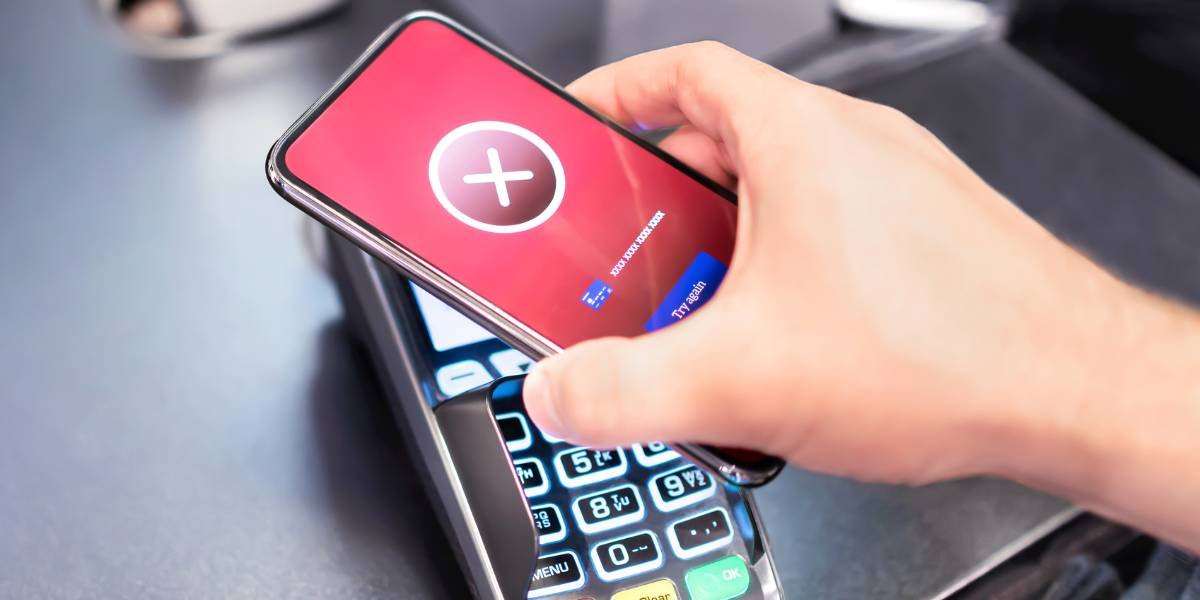
The confirmation never comes, but the money disappears from your account anyway. You're in an unfamiliar city, your car needs a part, and your bank is showing a deduction for an order that doesn't officially exist.
It’s one of those situations that reveals exactly how much trust you’re placing in a retailer the moment you click pay.
Why this happens more often than merchants admit
Payment failure rates in e-commerce typically range between 5% and 10% depending on location and payment method, according to WPBeginner’s 2025 payment statistics report. What that number doesn’t capture is what happens in the gap – the minutes or hours when money has left a customer’s account but hasn’t been confirmed on the merchant’s end.
The mechanics behind this are mundane but genuinely confusing. A bank can reserve funds the moment a transaction is initiated, before any confirmation is sent to the retailer. If the confirmation fails mid-transfer – due to a timeout, a connectivity issue, or a browser problem – the customer is left with blocked money and no order. From their side it looks like theft. From the merchant’s side, the order simply never arrived.
Research shows that 62% of customers who experience a failed online transaction will not return to the same website to try again. That’s not just a conversion problem for retailers. It’s a signal that most companies aren’t doing enough to explain what happened or to guide customers through recovery.
Why this matters specifically when you’re buying car parts on the road
Road trips and car maintenance have an awkward overlap. Parts fail on schedules that don’t respect your travel plans, and when you need something urgently – a belt, a filter, a sensor – the last thing you can afford is a payment limbo that leaves you with neither the part nor the money to try again elsewhere.
AUTODOC UK is one of Europe’s largest online auto parts platforms, operating in 27+ countries with around 5,000 employees and approximately 15 million orders processed per year. The platform covers parts for cars, motorcycles, and vans across thousands of makes and models, with a technical support team available to confirm compatibility before purchase. On Trustpilot, AUTODOC UK holds a 4.3-star rating across 16,212 reviews – and among the recurring themes in positive reviews is resolution: not just fast delivery, but the handling of cases where something went wrong after the order was placed.
What good support actually looks like in this situation
Evgheni Colun, Customer Feedback and Reputation Expert at AUTODOC, described the reality of these payment cases in a LinkedIn post that captures what most retailers never say out loud:
“Sometimes a payment gets stuck. The bank shows the money as ‘reserved,’ but the order has not gone through yet. This causes confusion, so we step in to explain the situation and reassure customers that their money is safe and is only being held temporarily. Other times, the customer approves the payment on their bank app, but the confirmation does not reach us. For the customer, their order remains unconfirmed, but their money has been blocked. We investigate and guide them so they know exactly what to expect. Refunds can be stressful, too. When someone asks, ‘Where is my money?’ it’s usually out of worry rather than impatience. We track every refund and keep customers informed until the money is returned.”
What’s notable here isn’t the technical explanation – it’s the framing. The instinct at most companies is to push responsibility toward the bank and close the ticket. The instinct described here is to stay in the situation with the customer until it’s resolved, which is a meaningfully different thing.
The real question to ask before you buy
Before ordering anything online in a time-sensitive situation, the question isn’t just whether the price is right or whether the part is in stock. It’s whether the company on the other end has a system for the moment the transaction doesn’t behave the way it should.
That gap – between a payment leaving your account and confirmation arriving – is where most retailers lose customers permanently. How a company handles it is a better signal of reliability than almost any other metric.
Image credit – dreamstime